Generative art 27 motifs drawn only in pen lines, the way a plotter draws them
Every poster here is drawn by code and made only of lines, one path per pen, so the plotter file is the poster itself. Pick from 27 motifs: knots and still lifes shaded only by hatching, isometric cities with their hidden lines removed, Truchet tiles, mazes, spirographs, guilloché rosettes, flow fields and growing lines. Each seed draws a new one; change the pens, mirror it six ways or warp it, and print it.
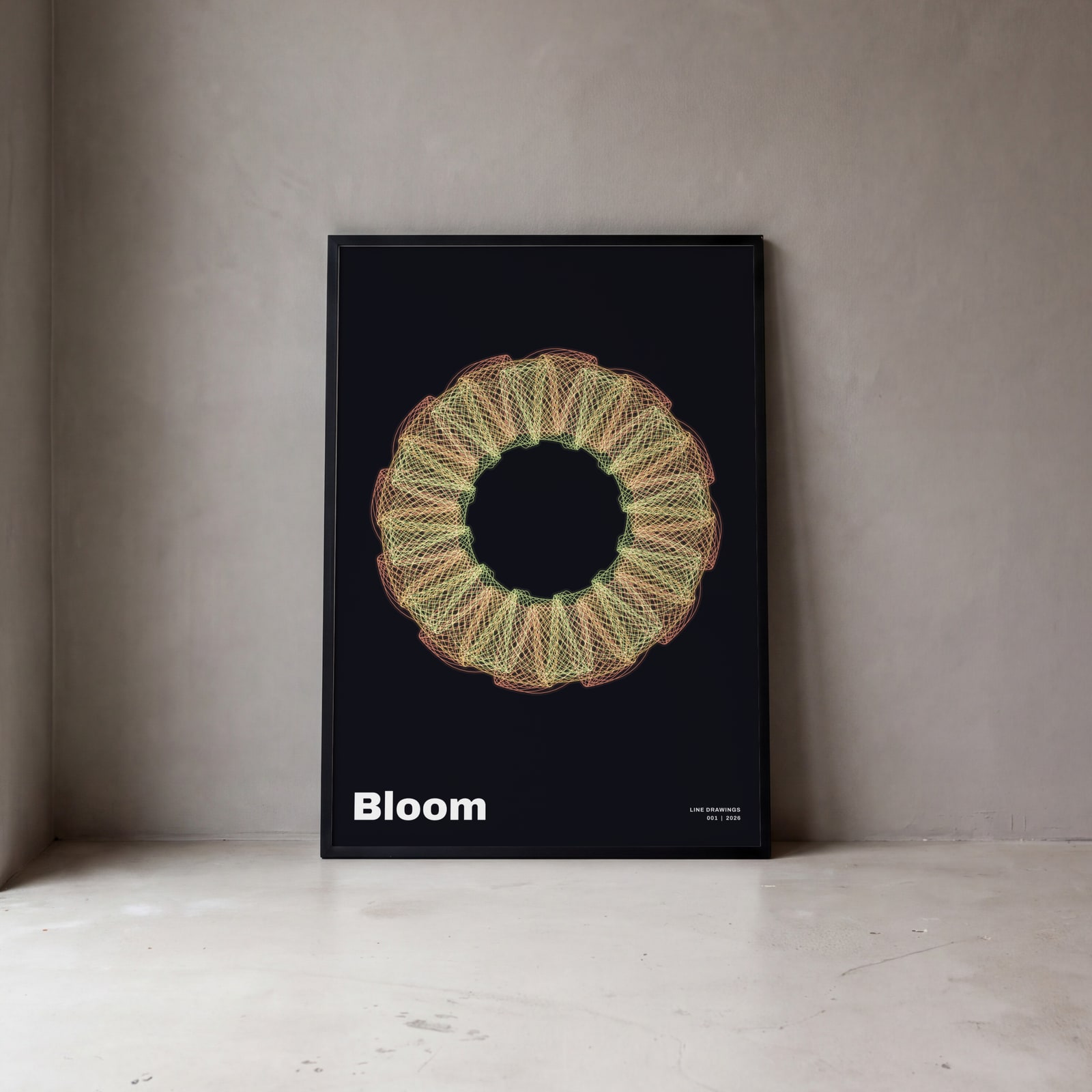
On the wall
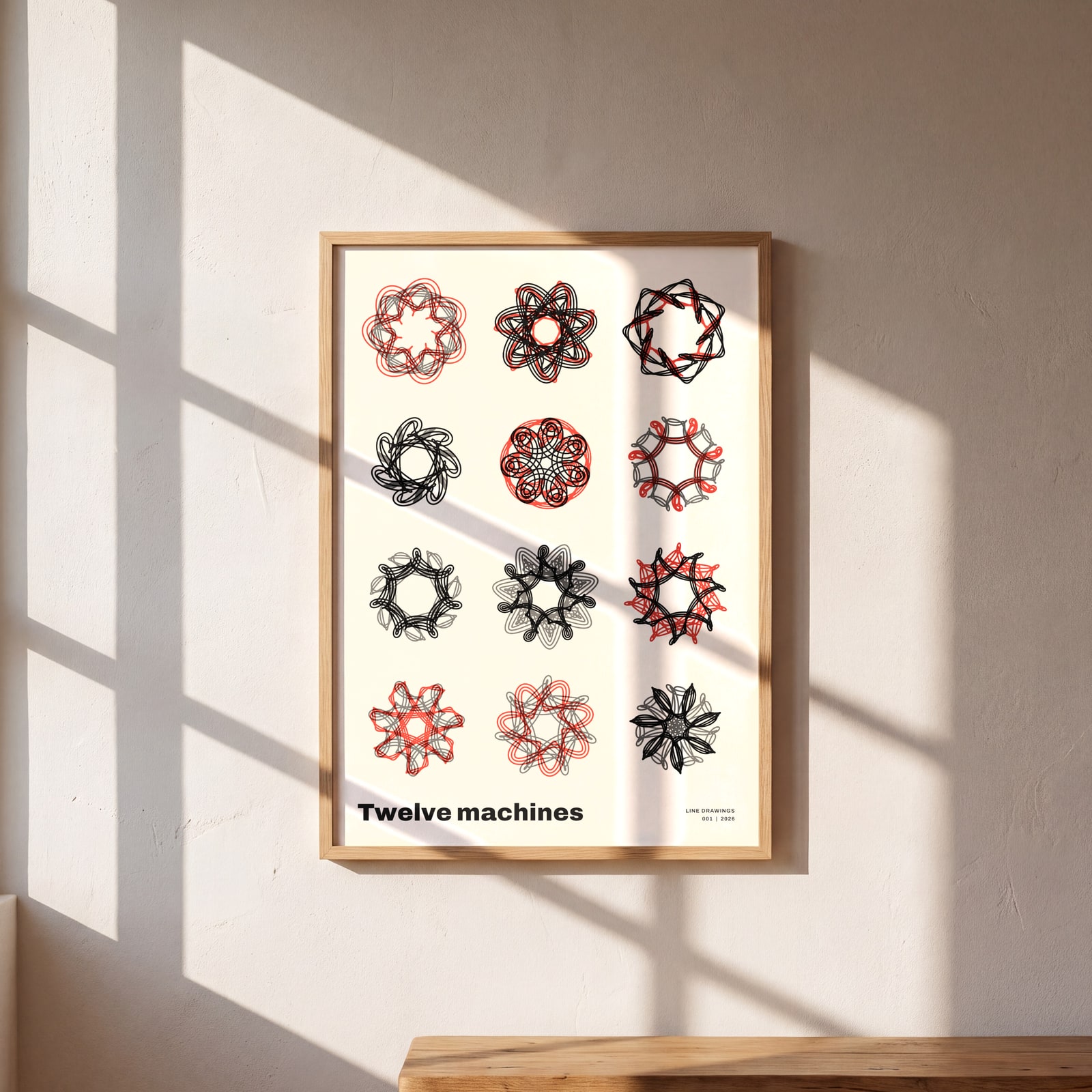
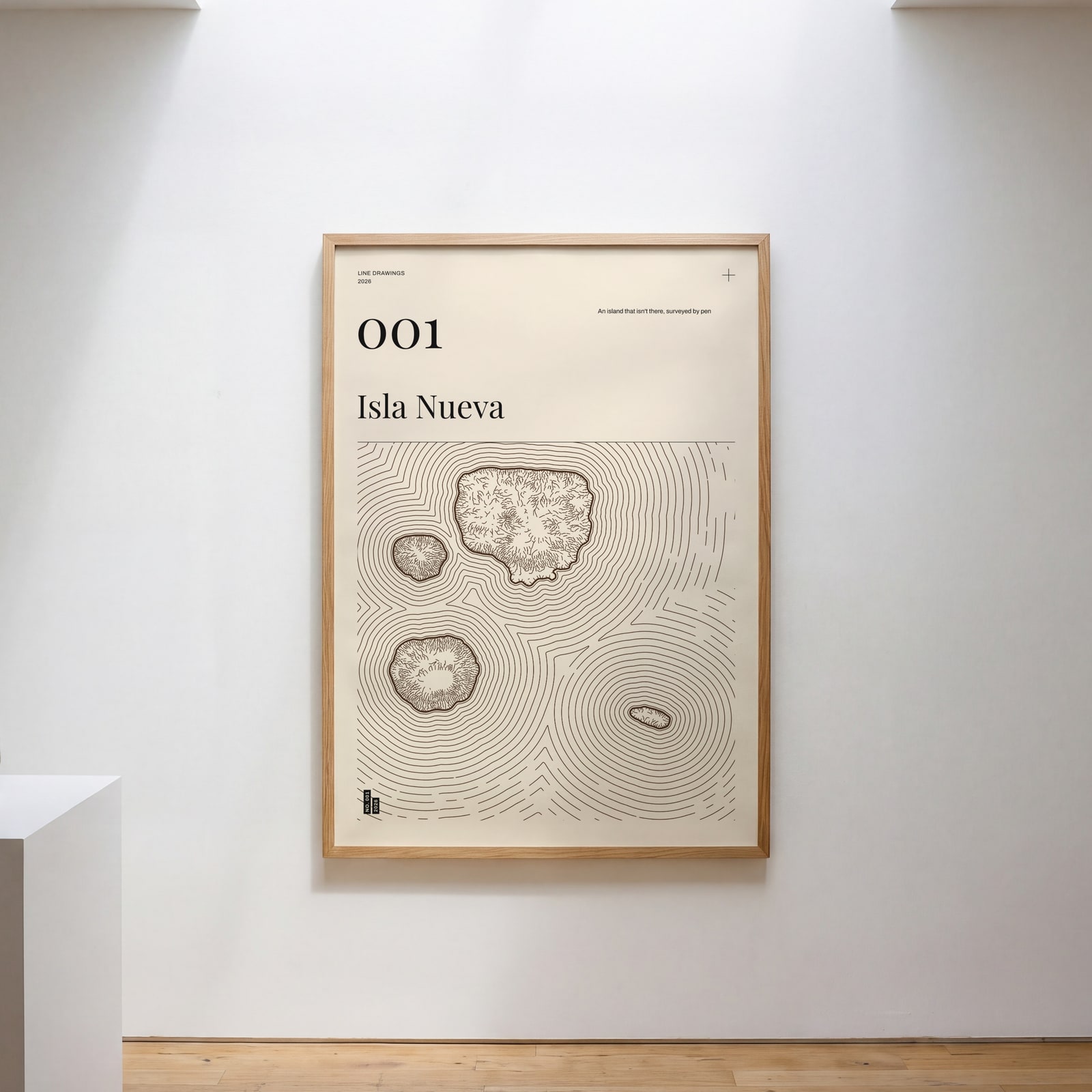
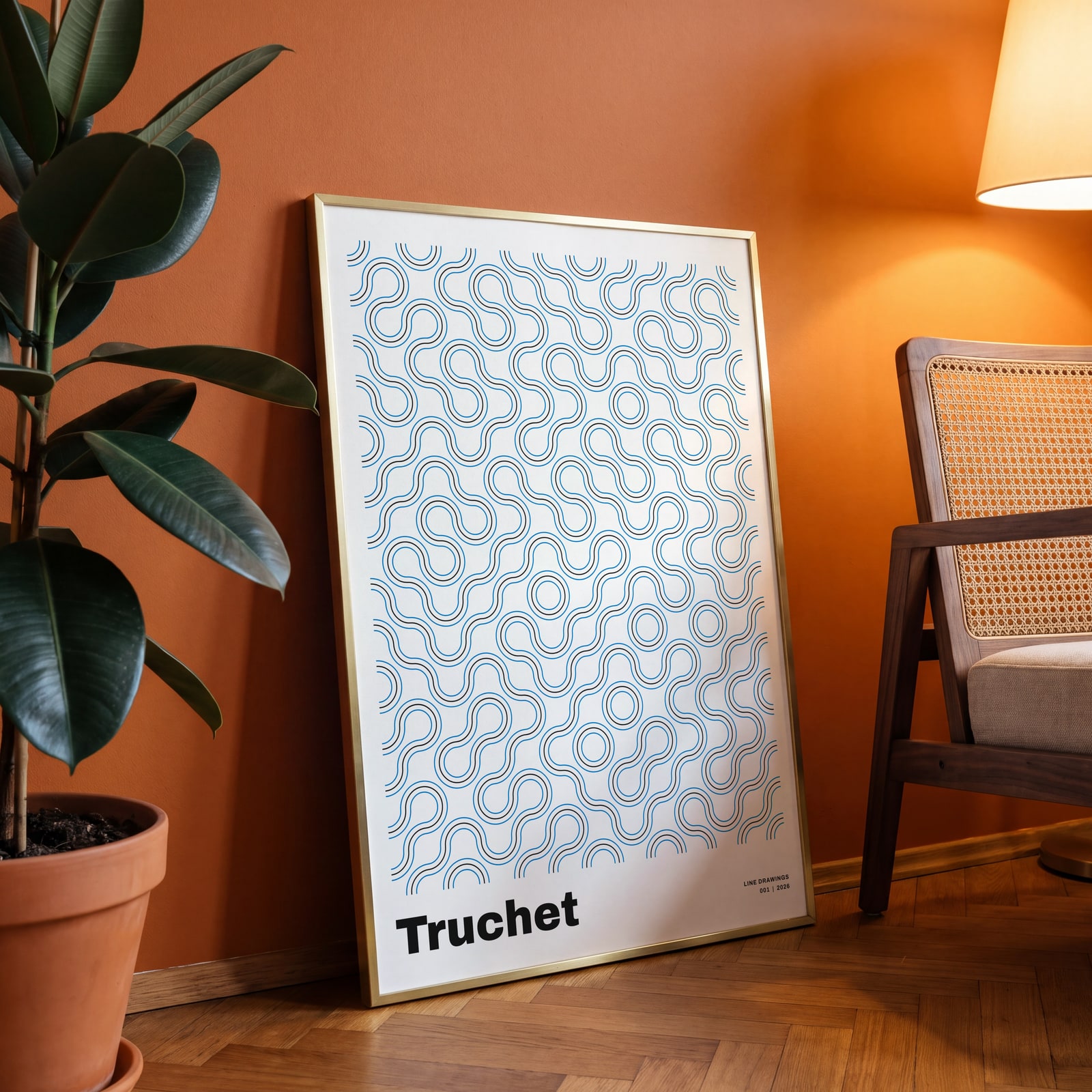
A few of them framed at home. Open any one to make it yours.
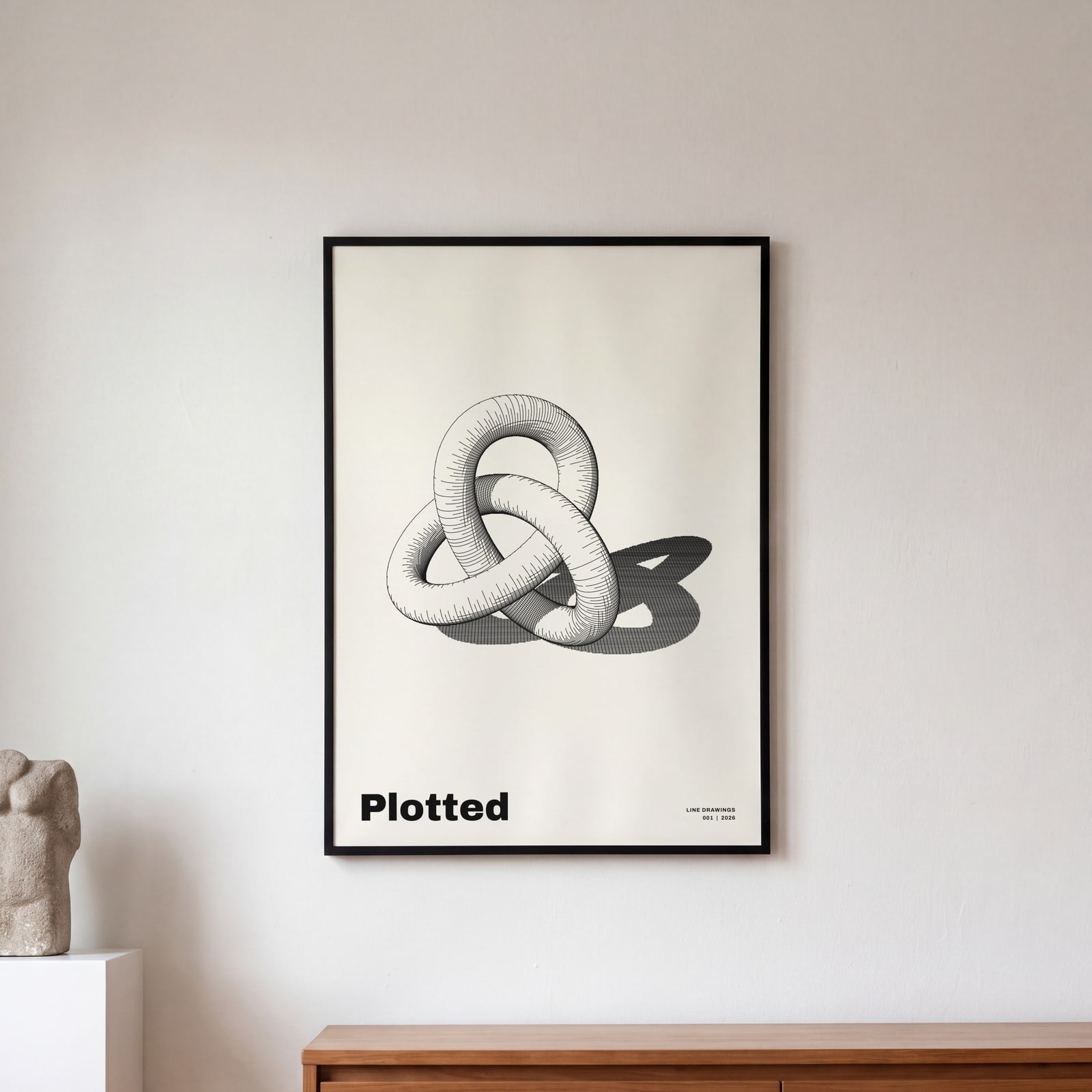
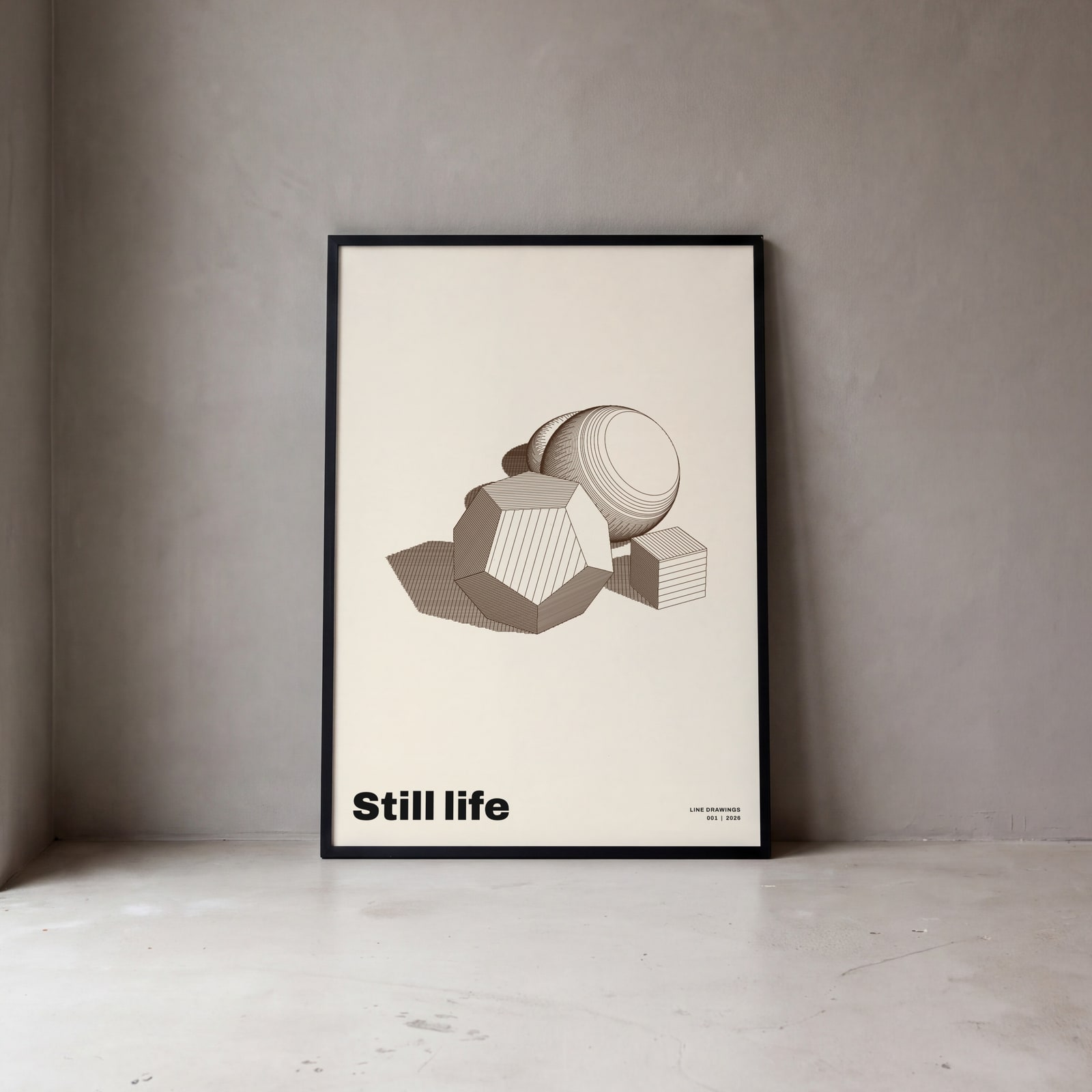
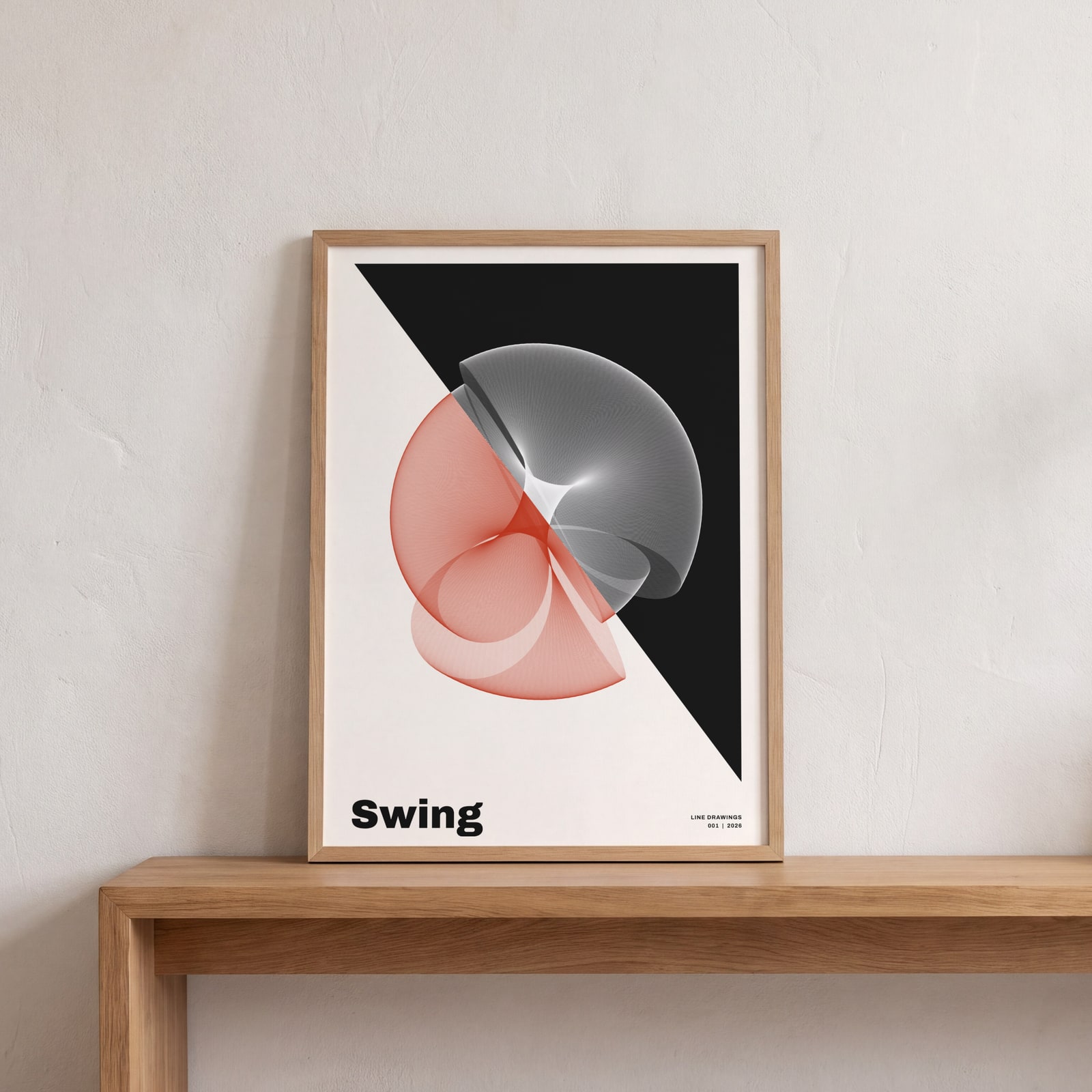
Examples
Open any of them to change the words, the place, the date and the style, then download the print file.
Motifs
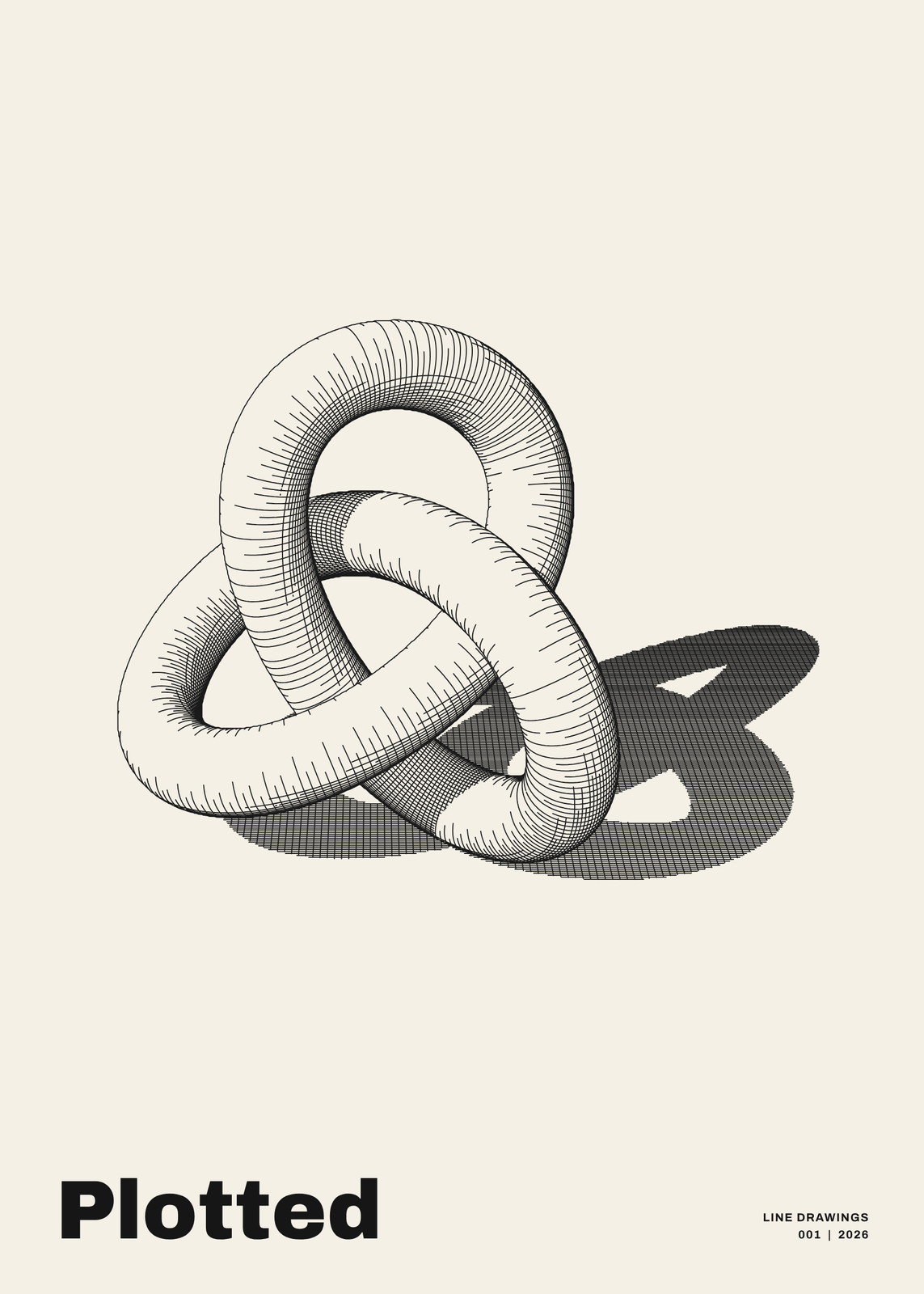 Hatched knot with its shadowEdit this →
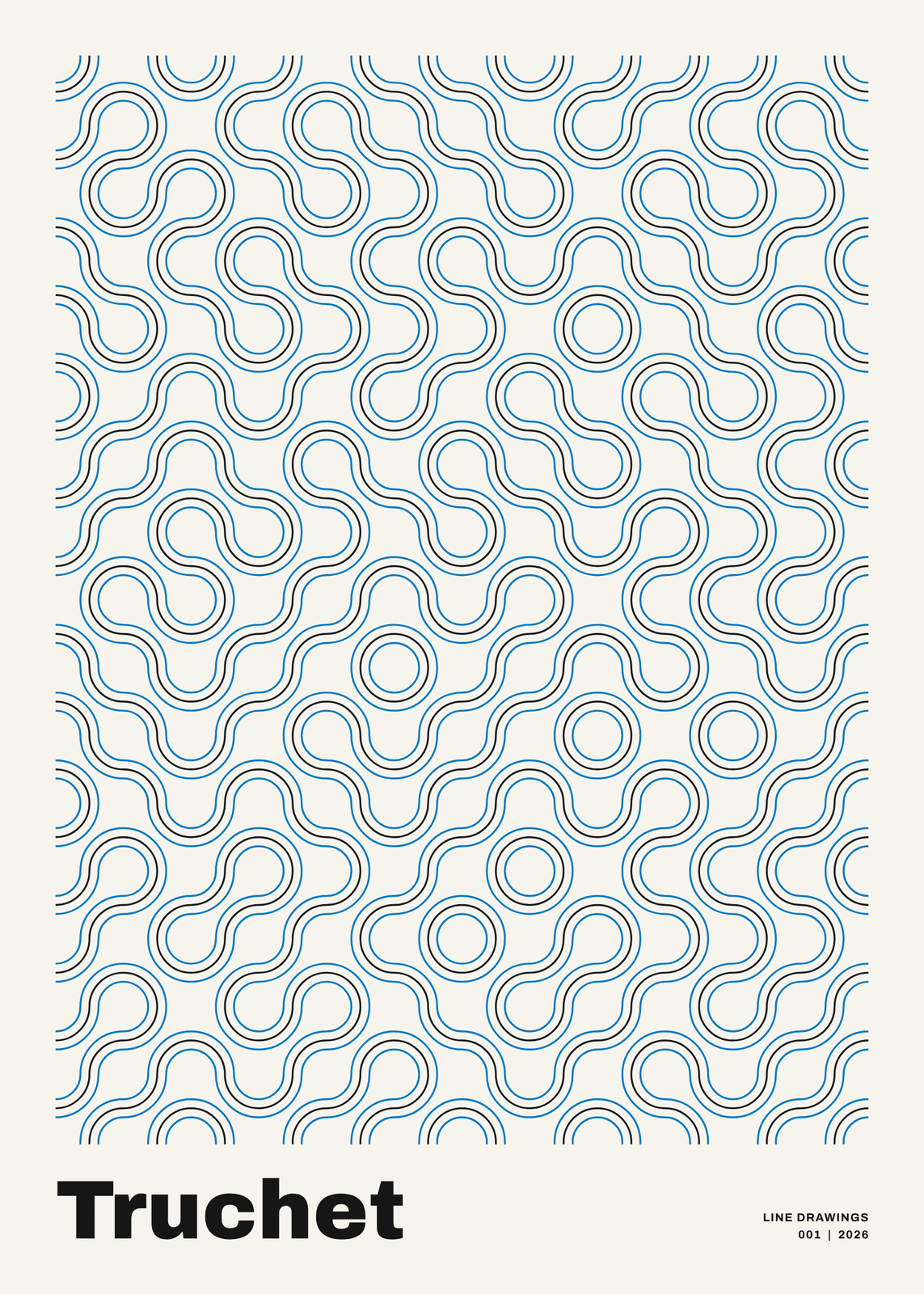 Truchet arcs in colored strandsEdit this →
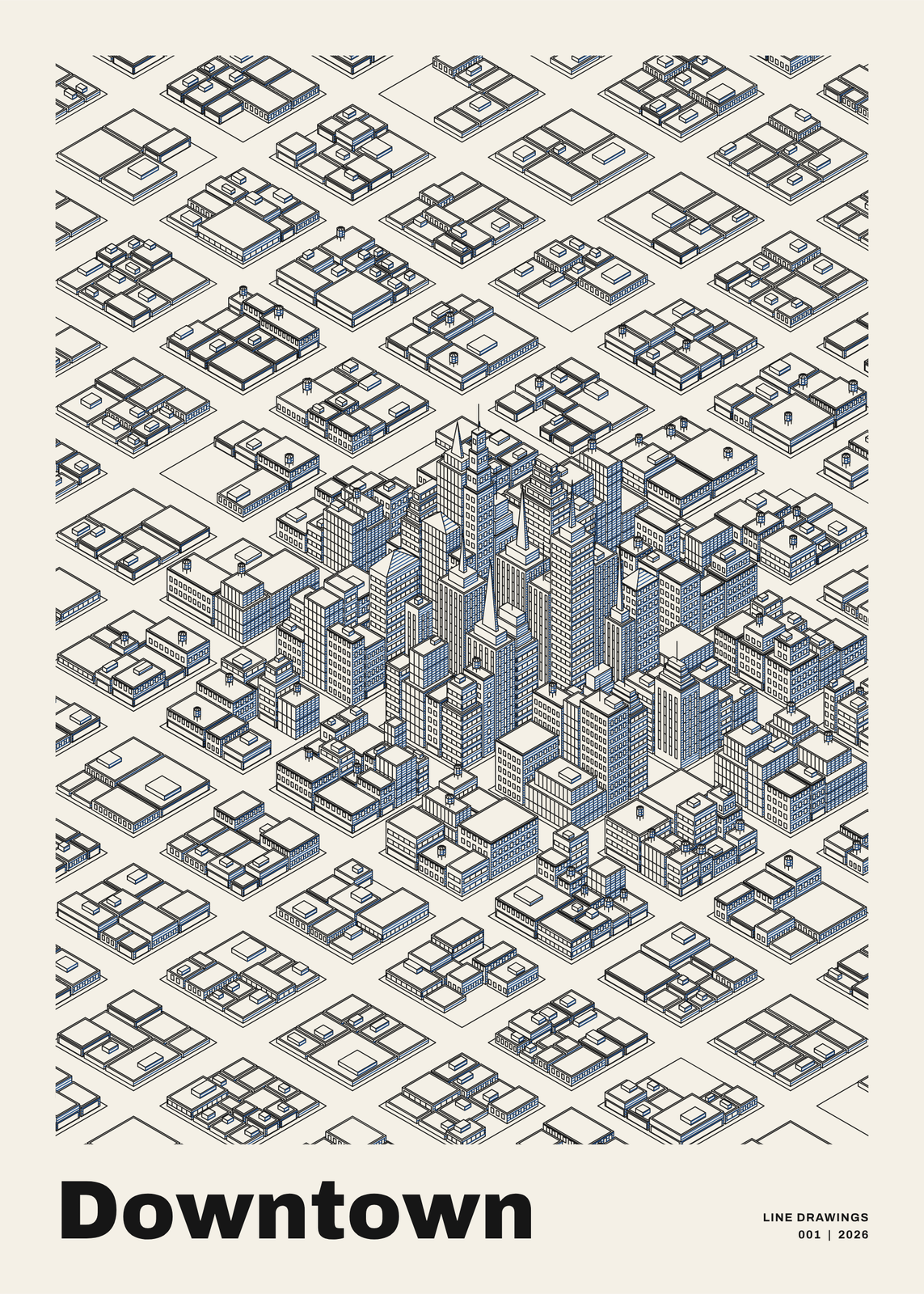 Isometric city of towersEdit this →
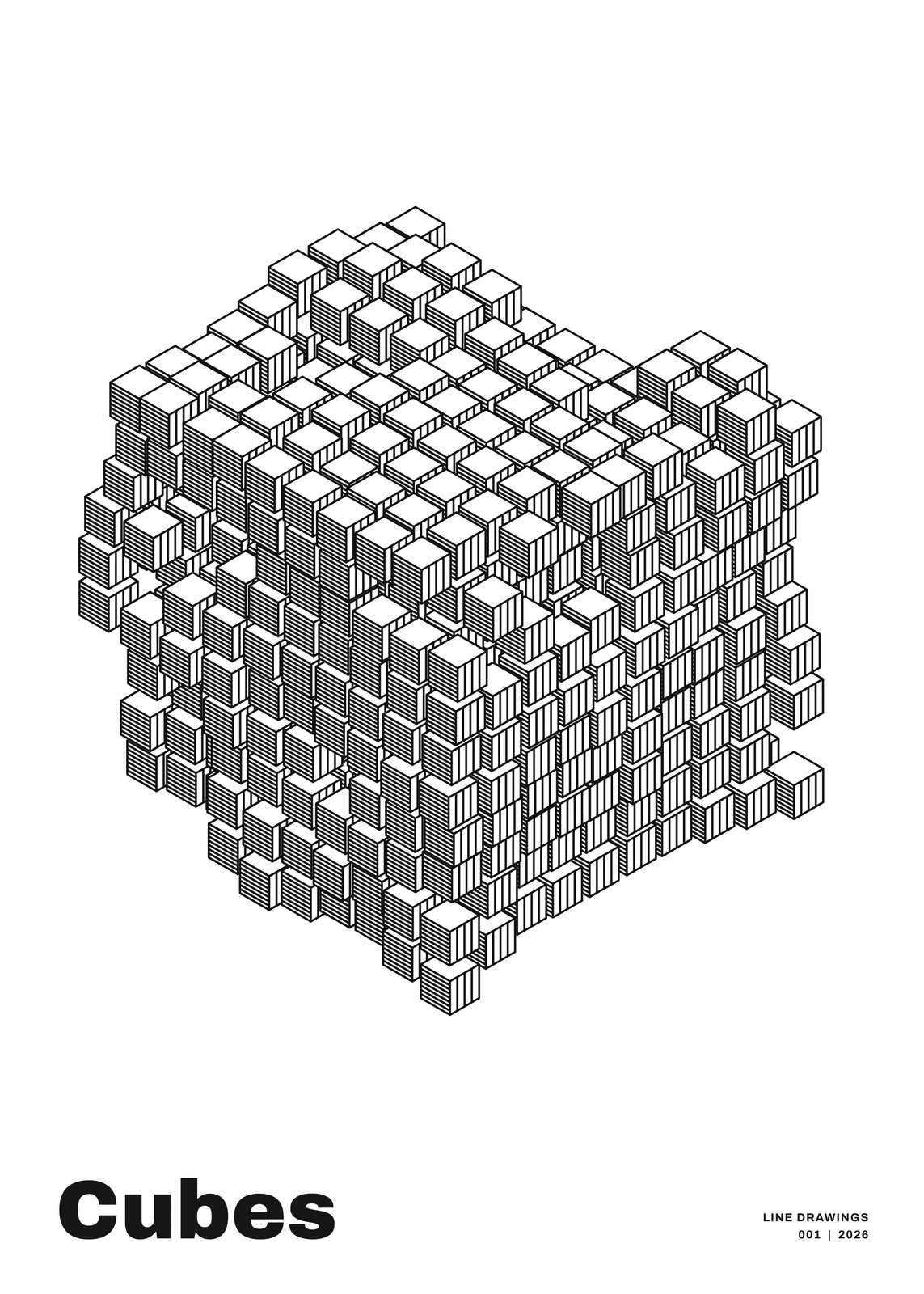 Cube of hatched cubesEdit this →
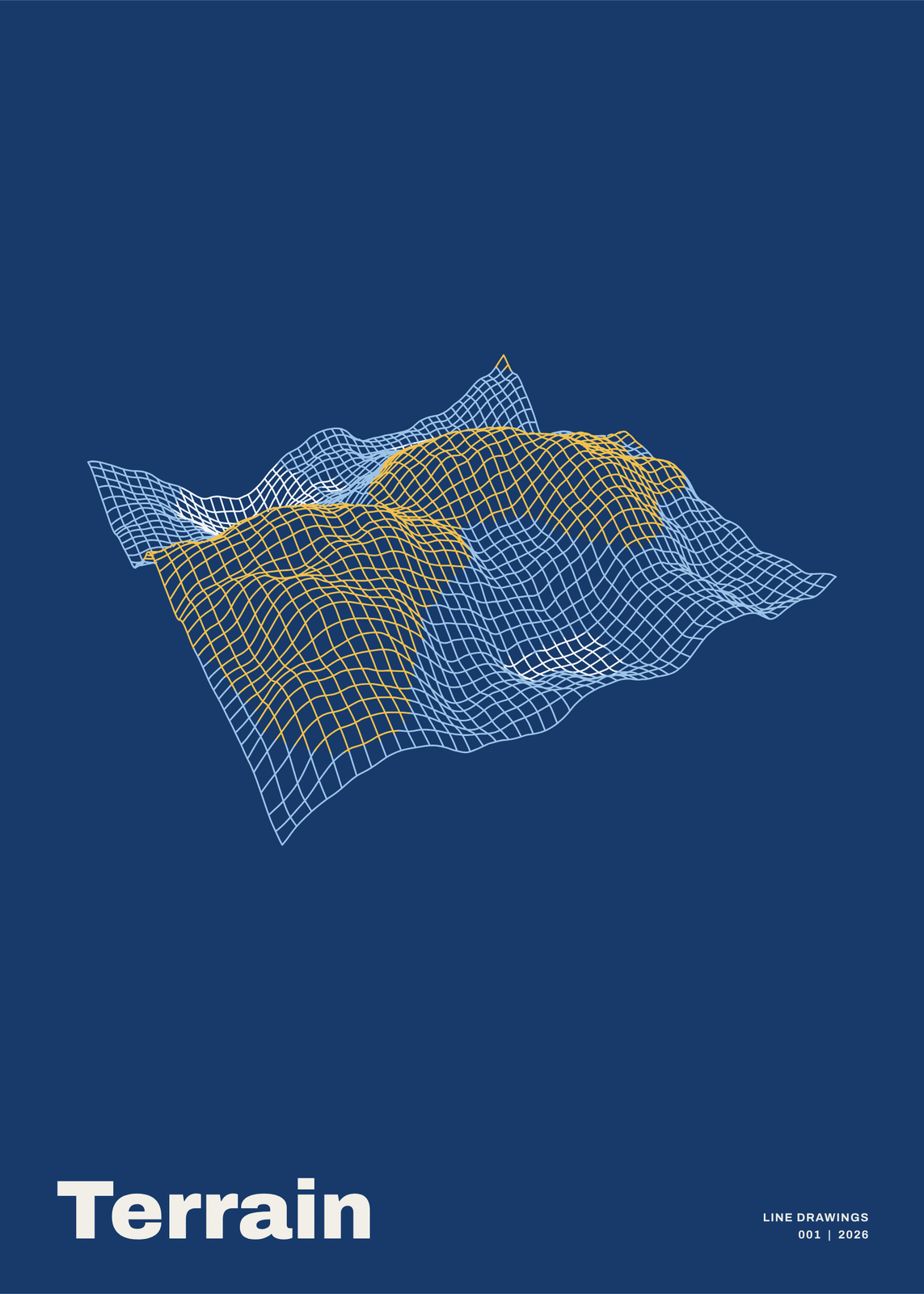 Terrain surface in perspectiveEdit this →
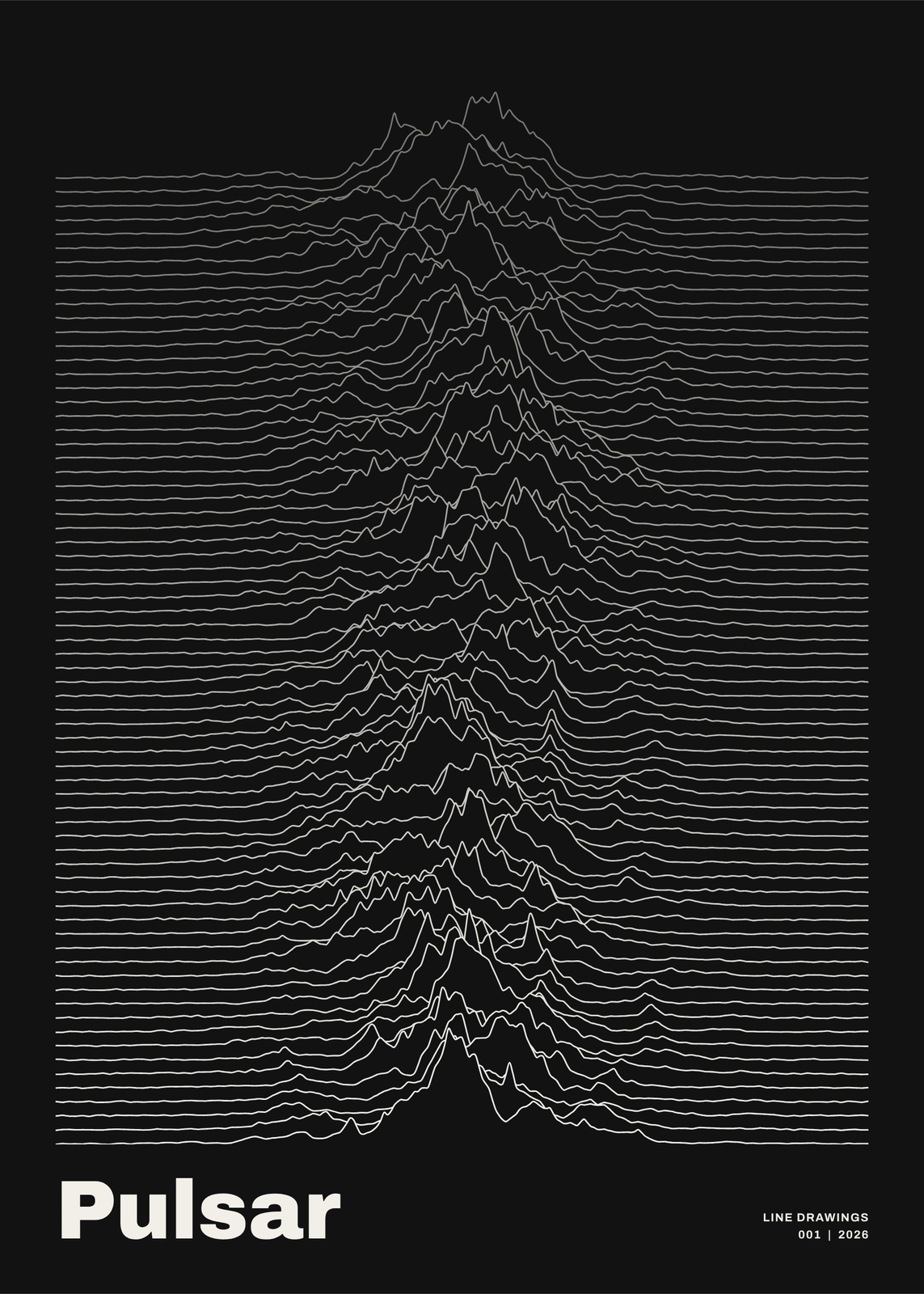 Ridgelines fading backEdit this →
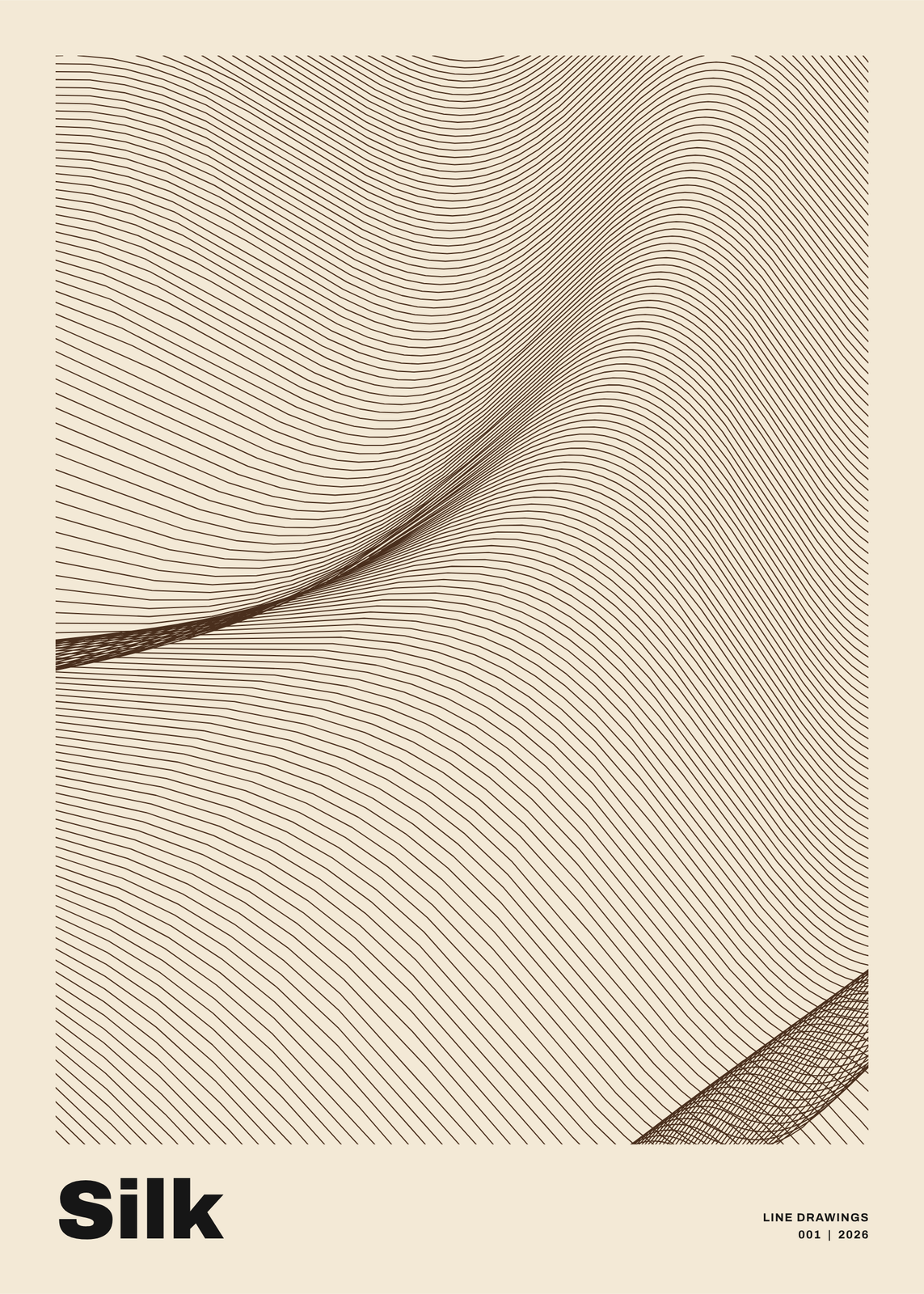 Folds of draperyEdit this →
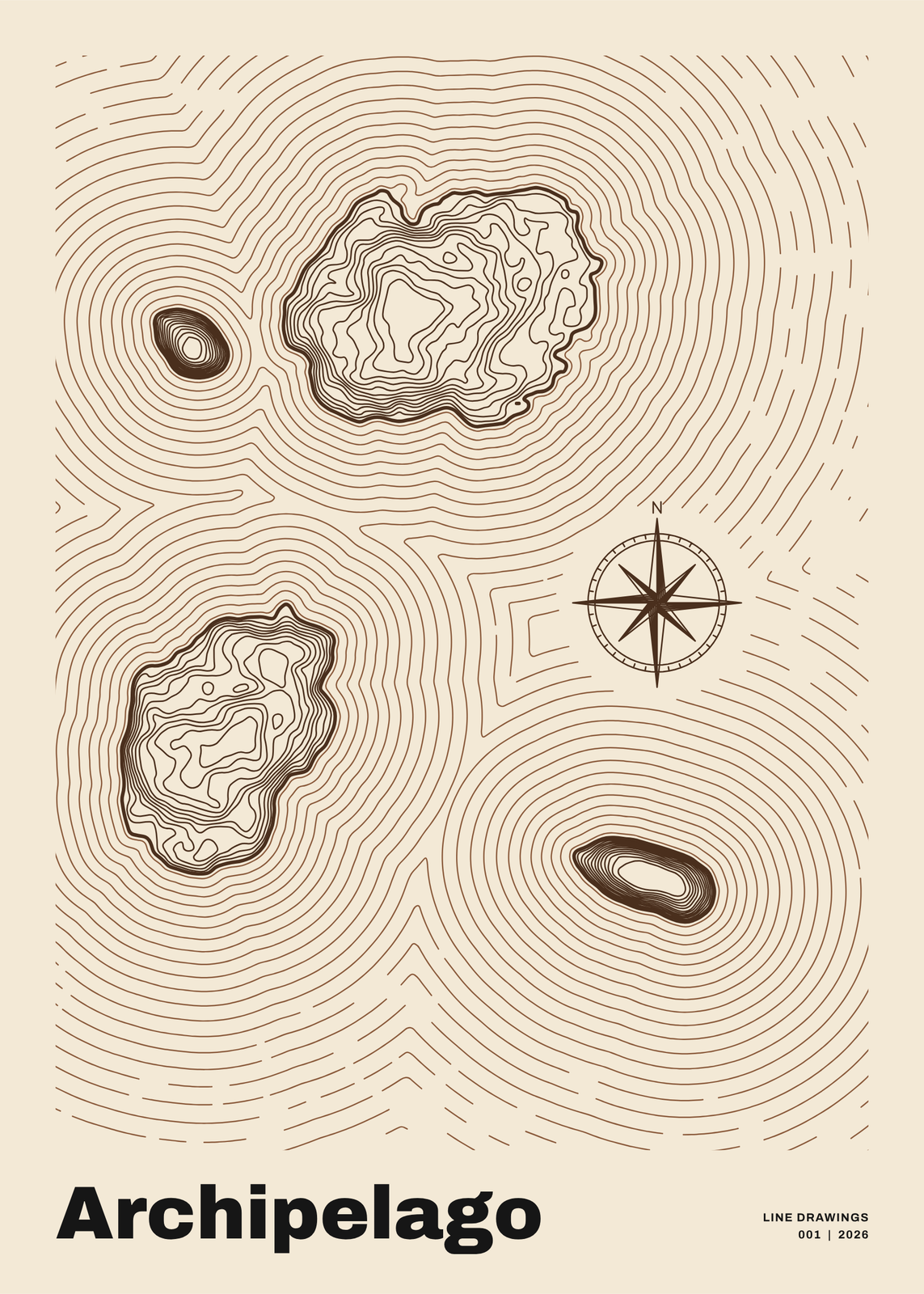 Nautical chart of islandsEdit this →
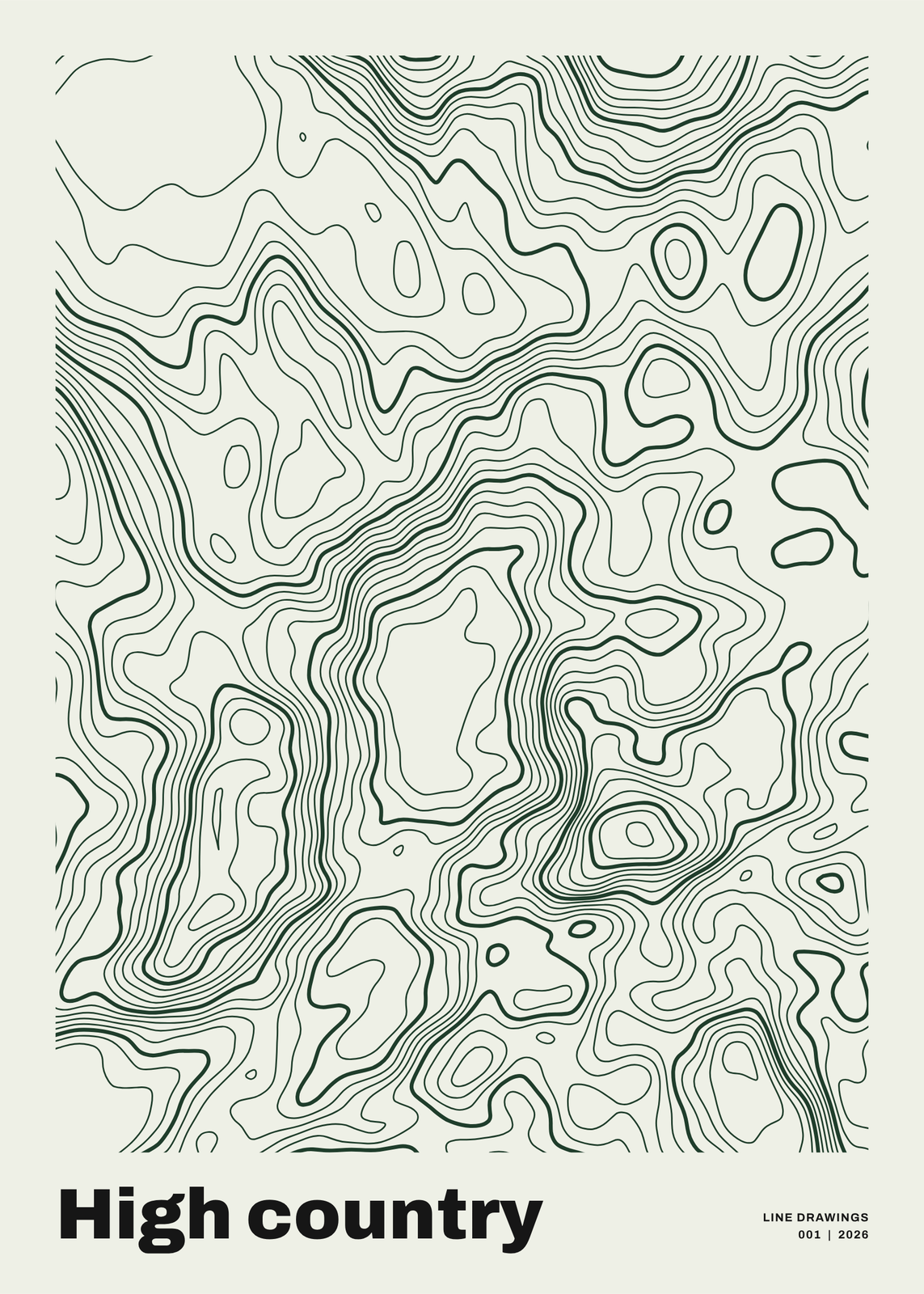 Topographic contoursEdit this →
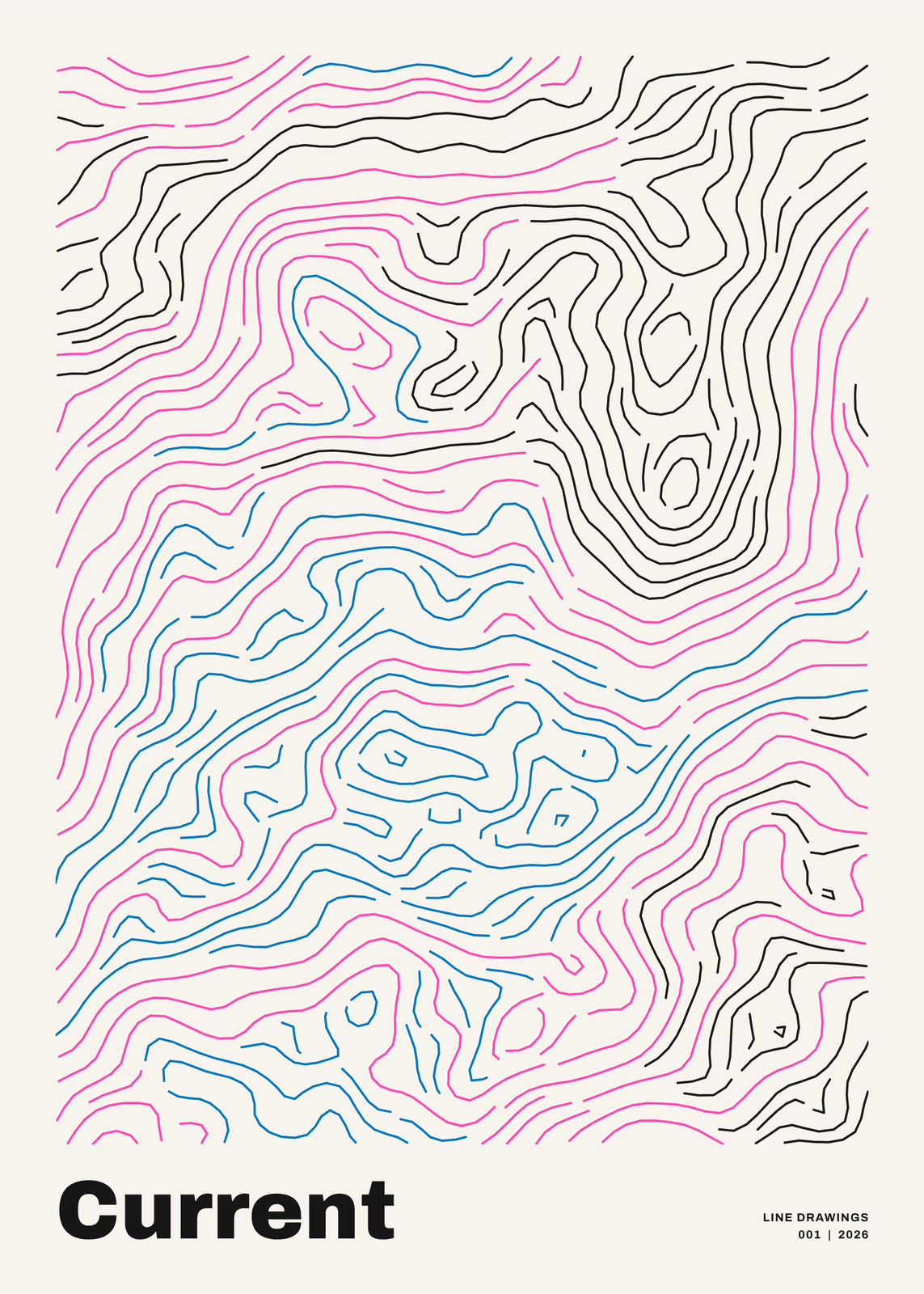 Flow lines around eddiesEdit this →
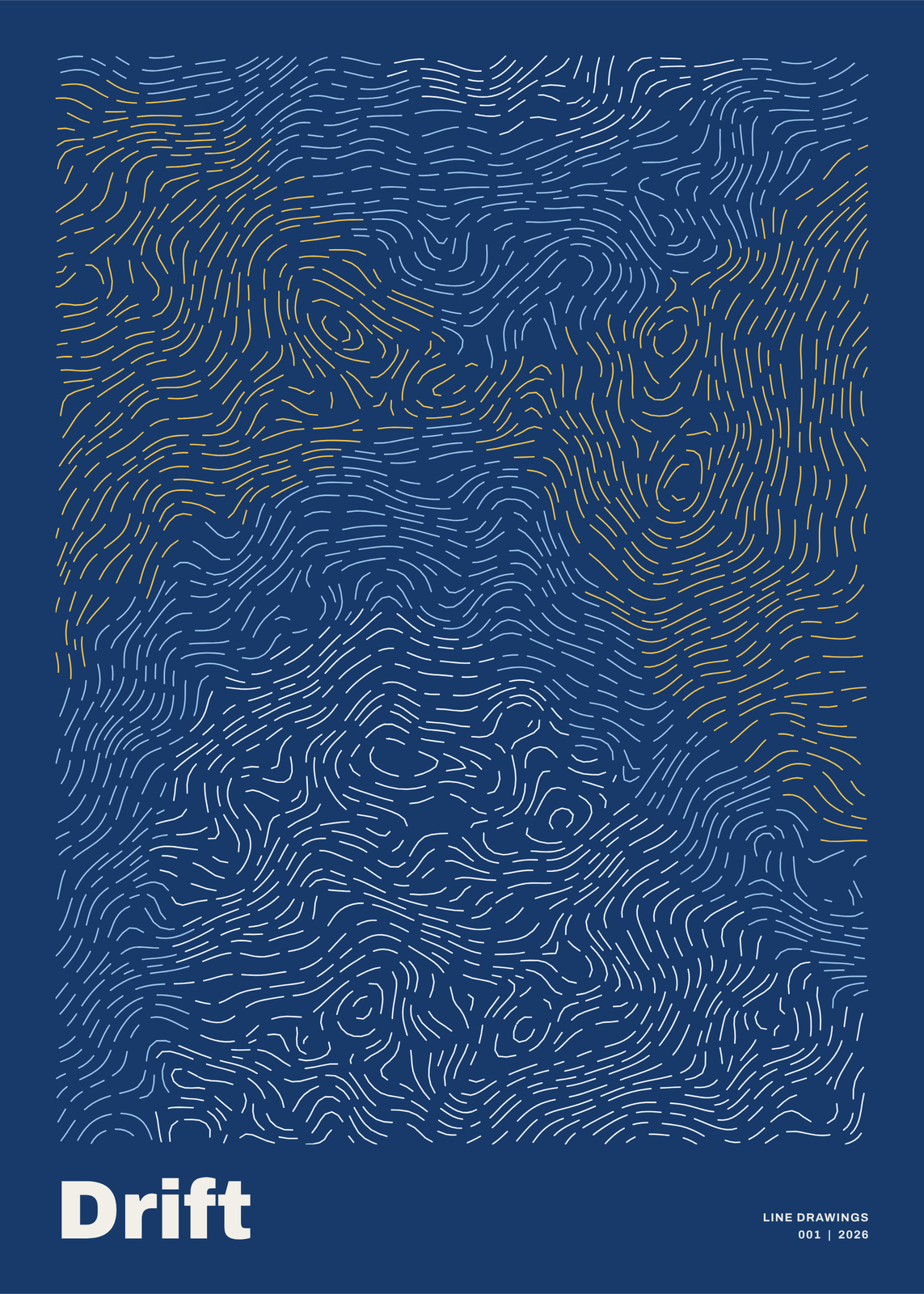 Flow lines in pen dashesEdit this →
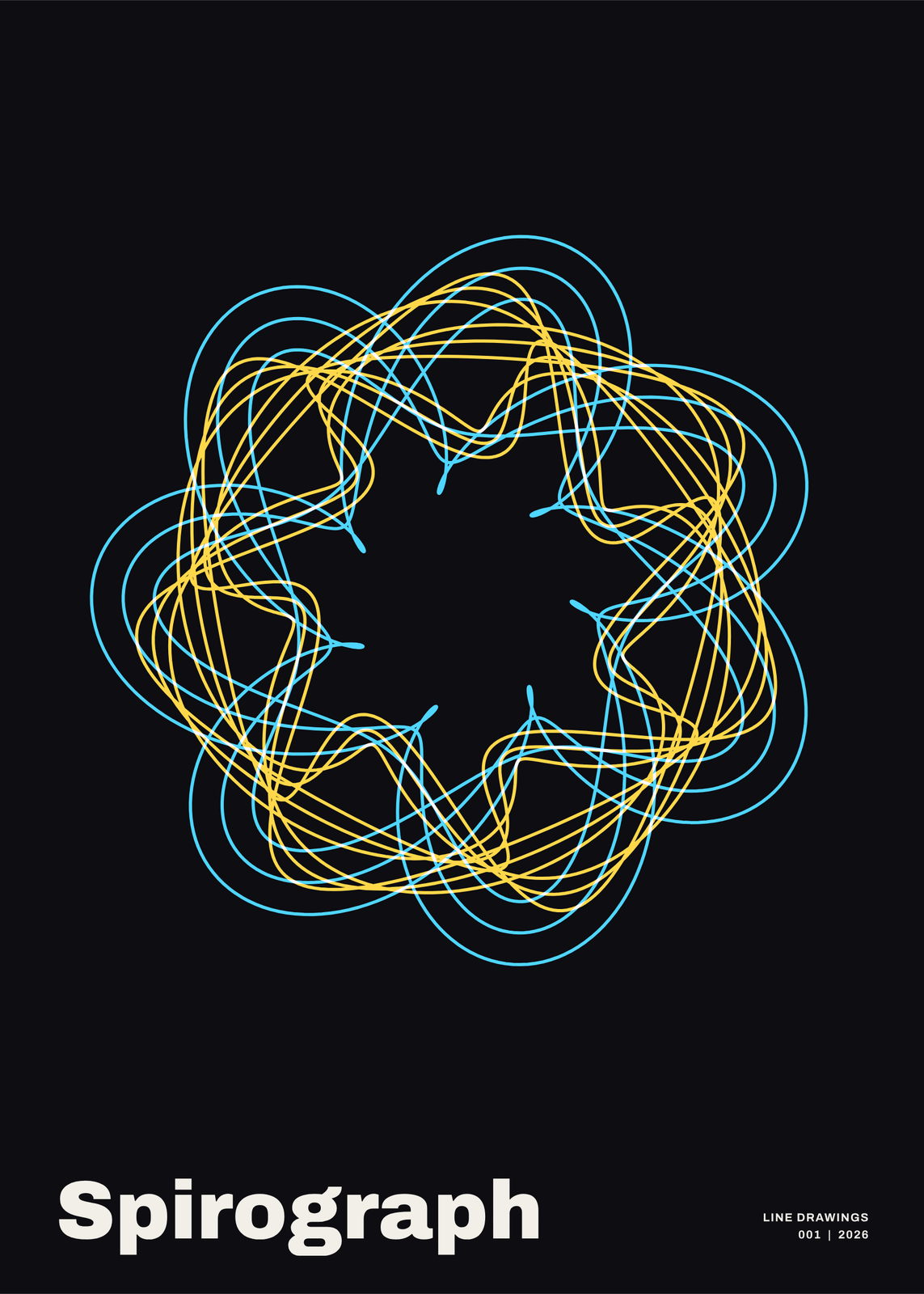 Spirograph rosetteEdit this →
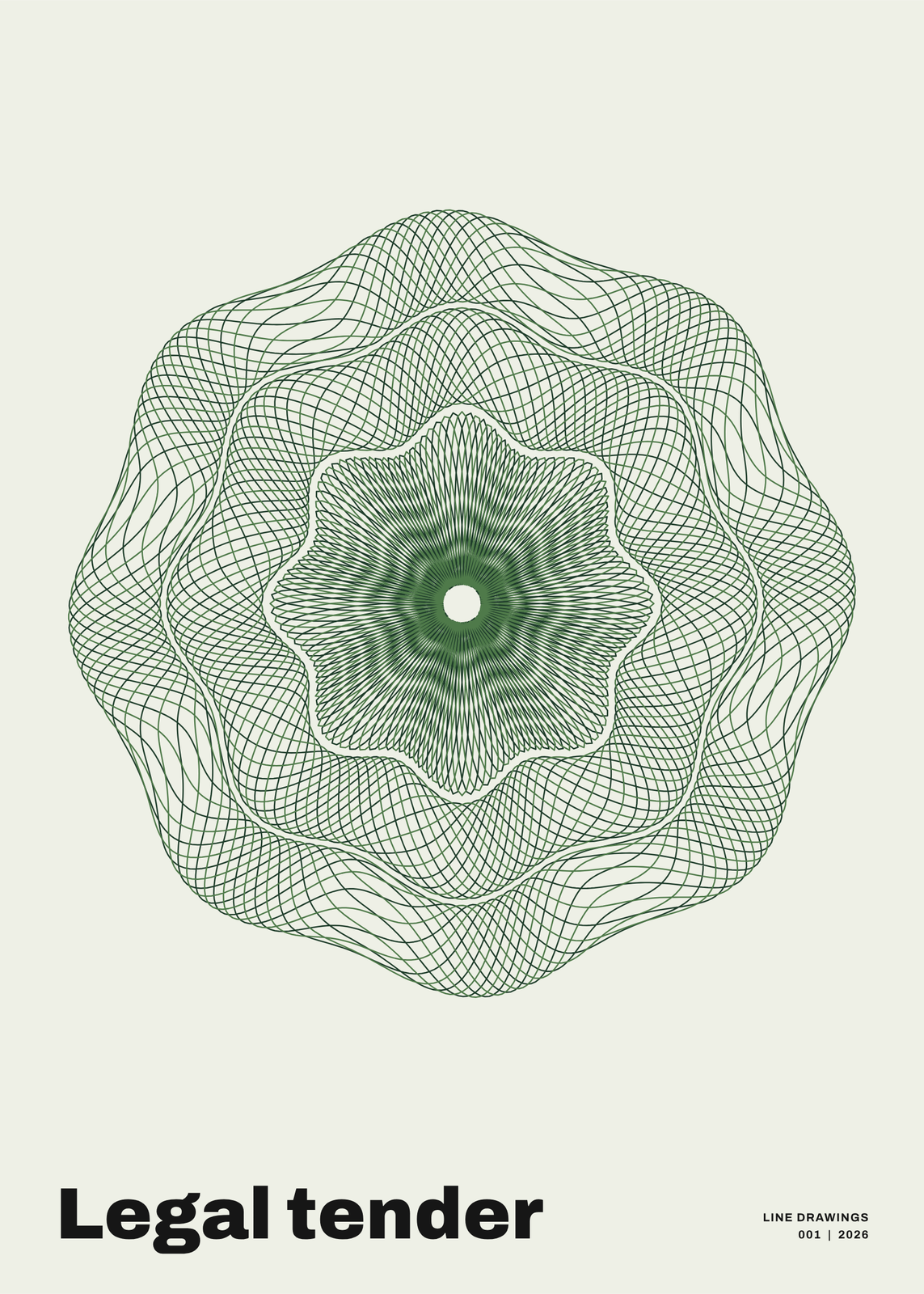 Guilloché rosette like a banknoteEdit this →
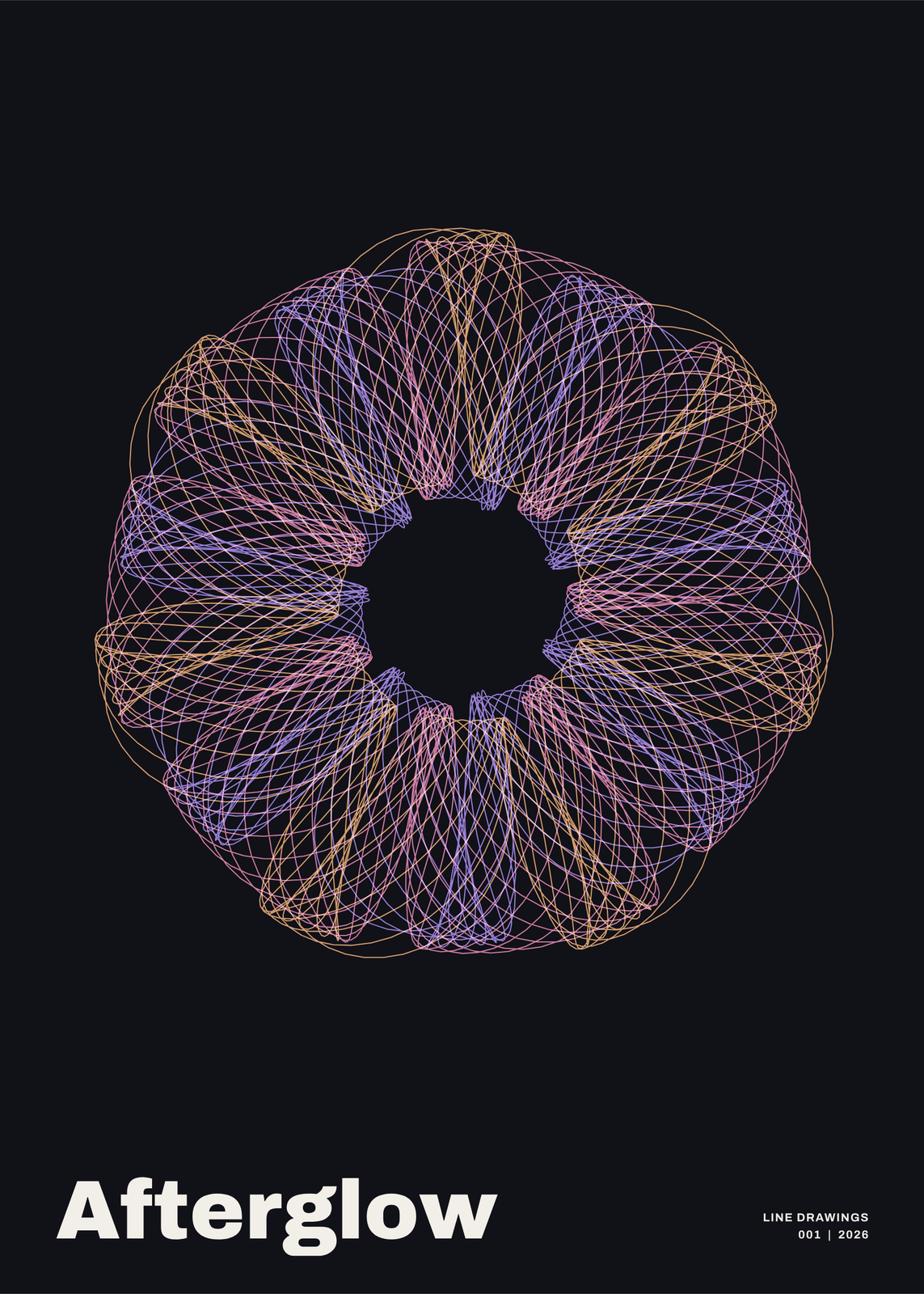 Loops: a ring of curled petals at duskEdit this →
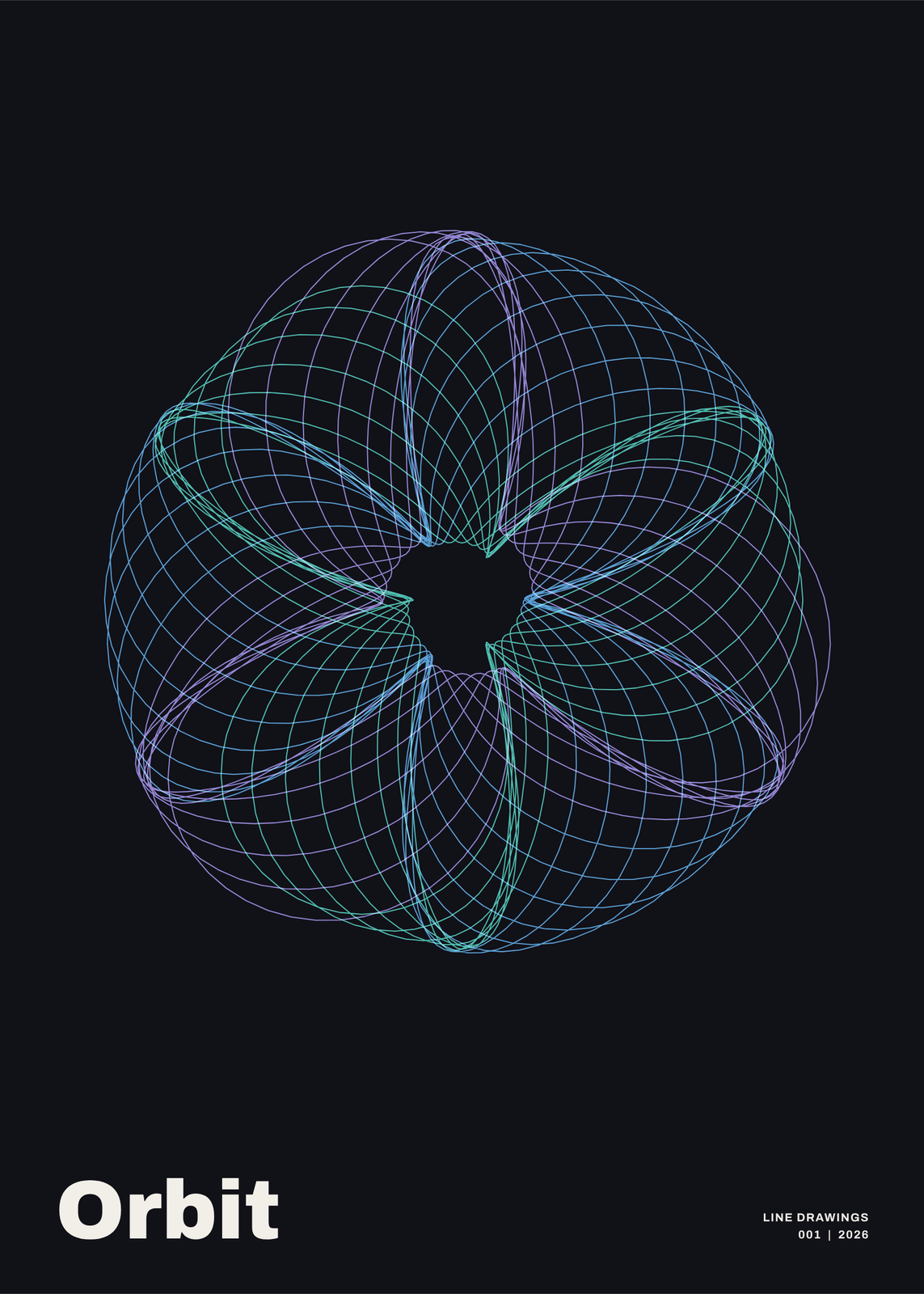 Loops: three wide petalsEdit this →
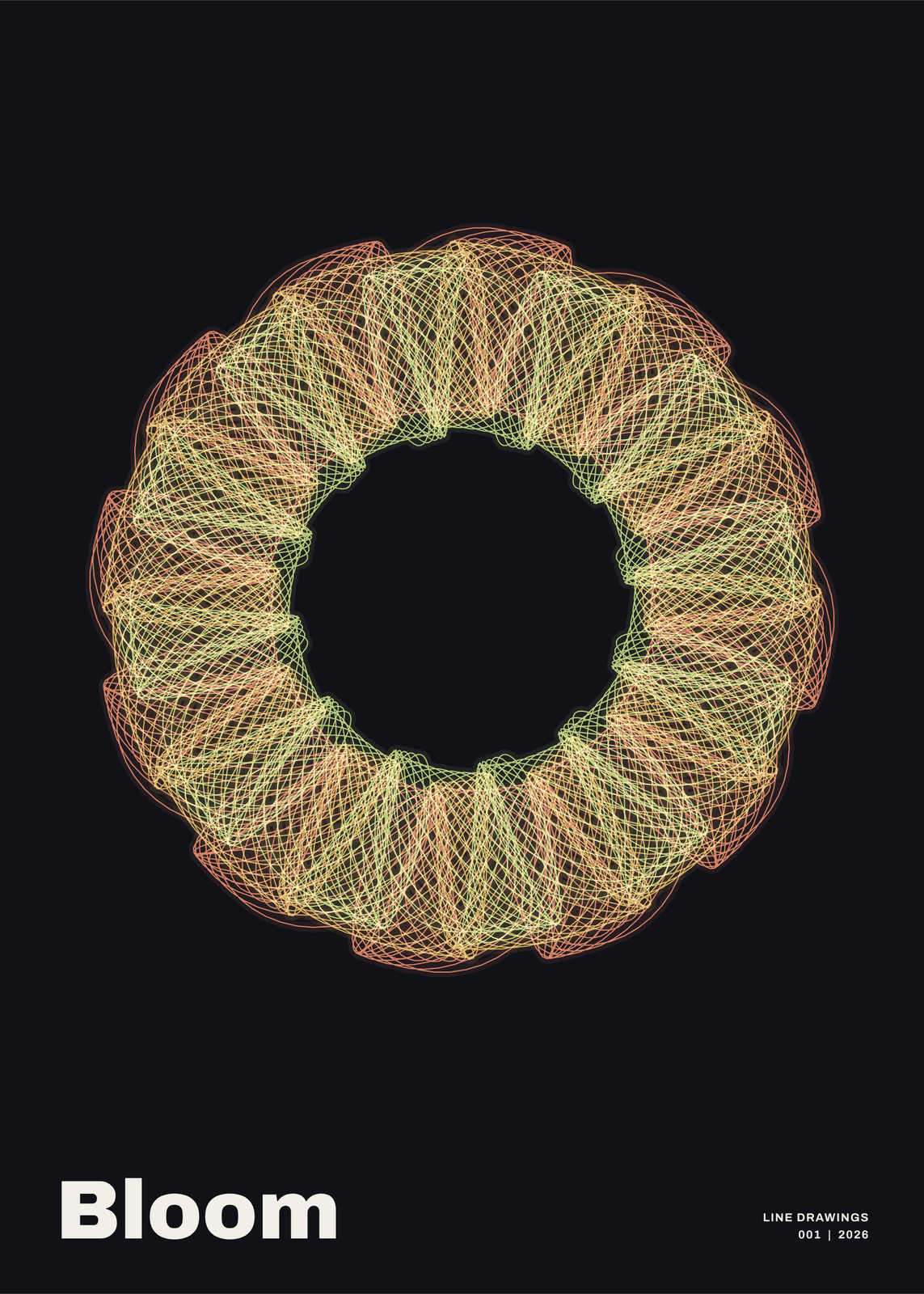 Loops: twelve petals, glowingEdit this →
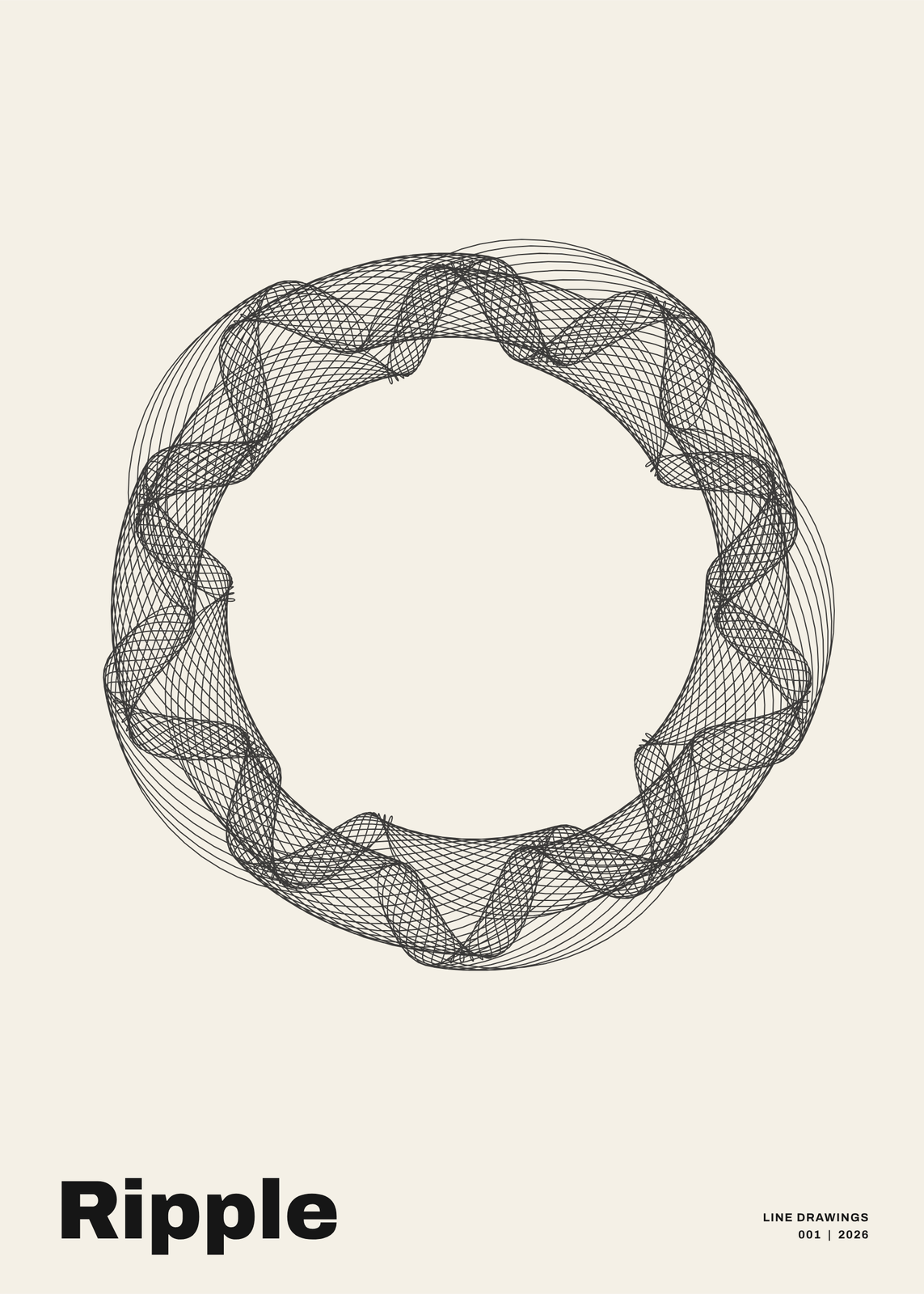 Loops in one pen on creamEdit this →
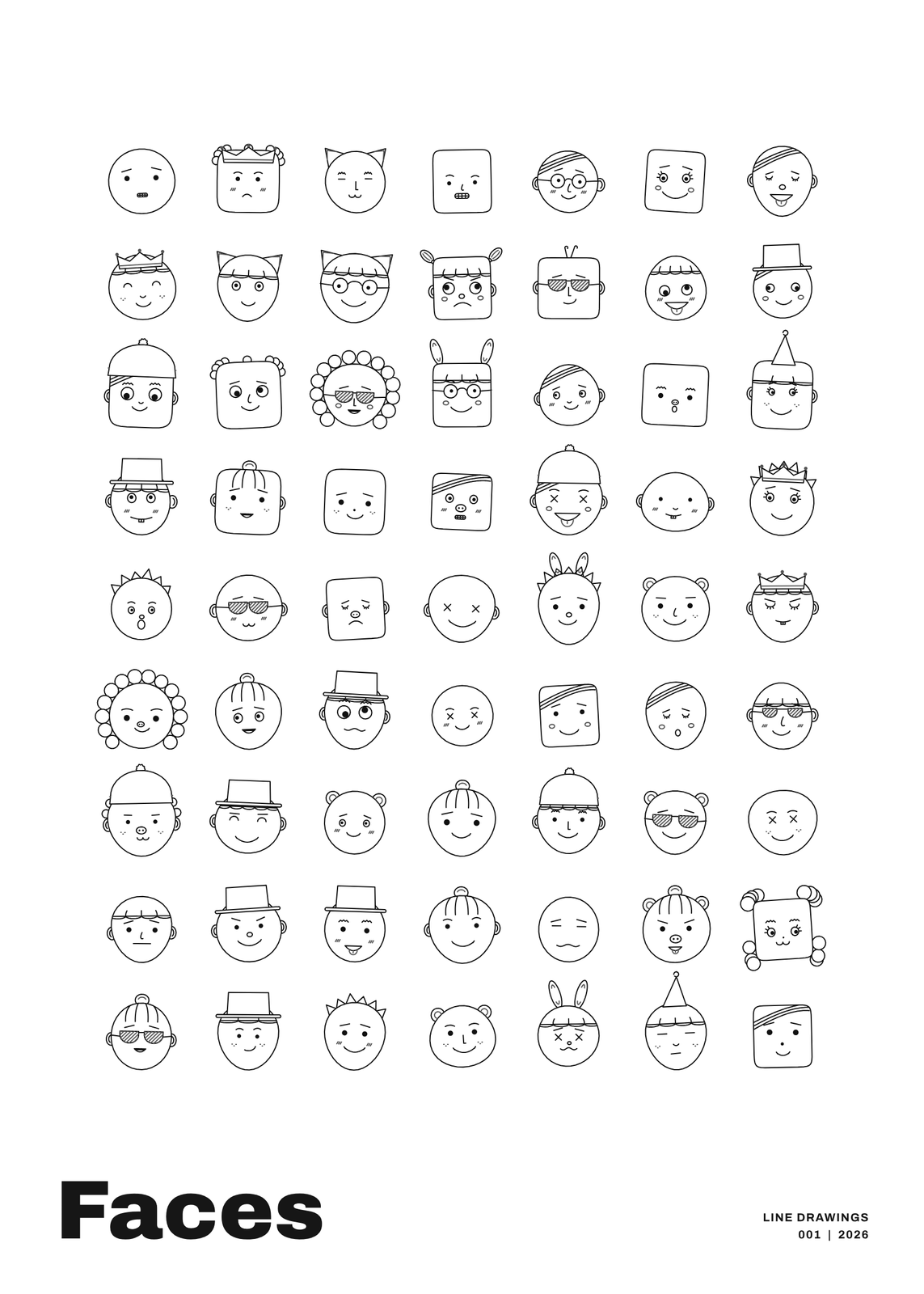 A crowd of little facesEdit this →
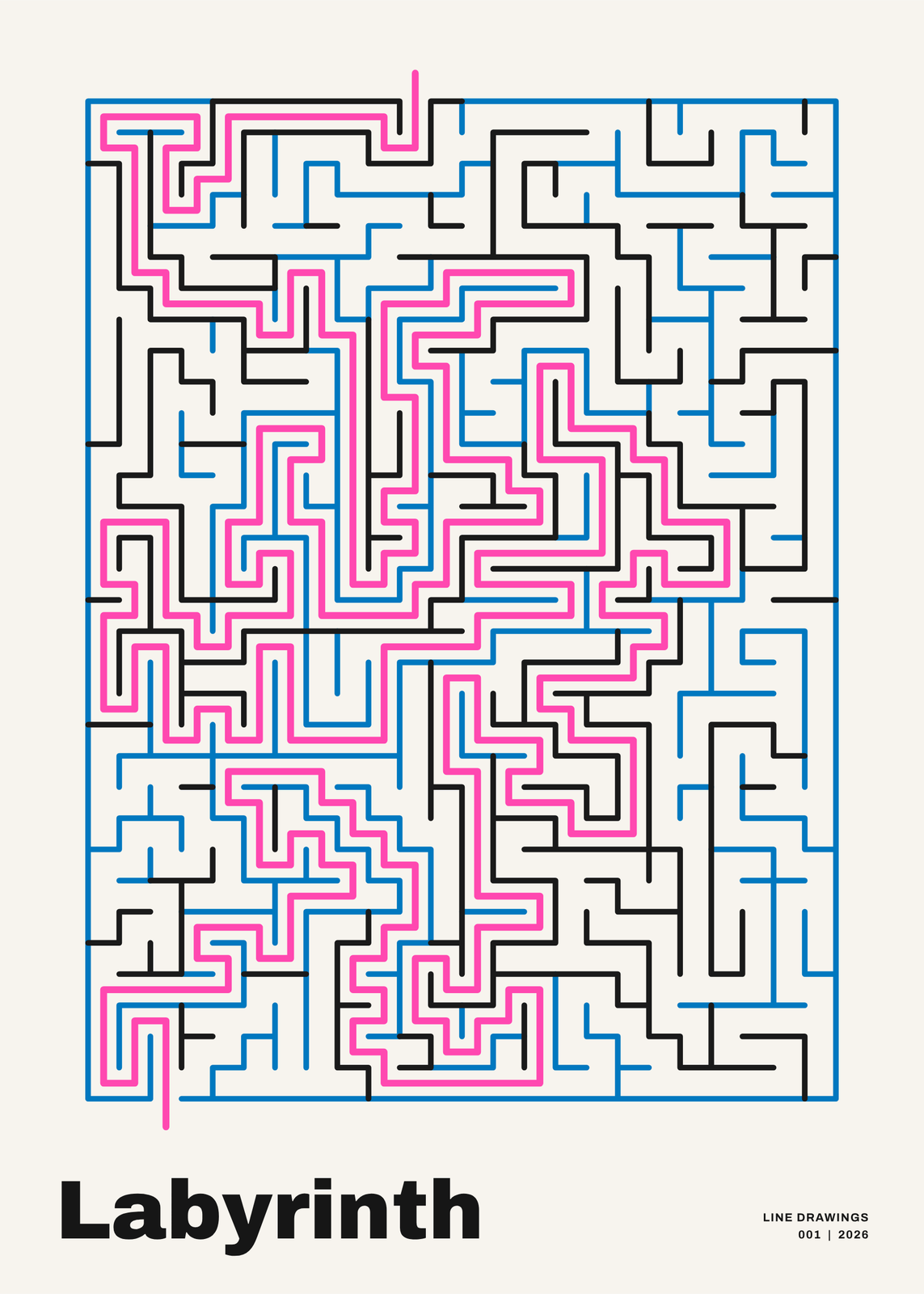 Maze with its solutionEdit this →
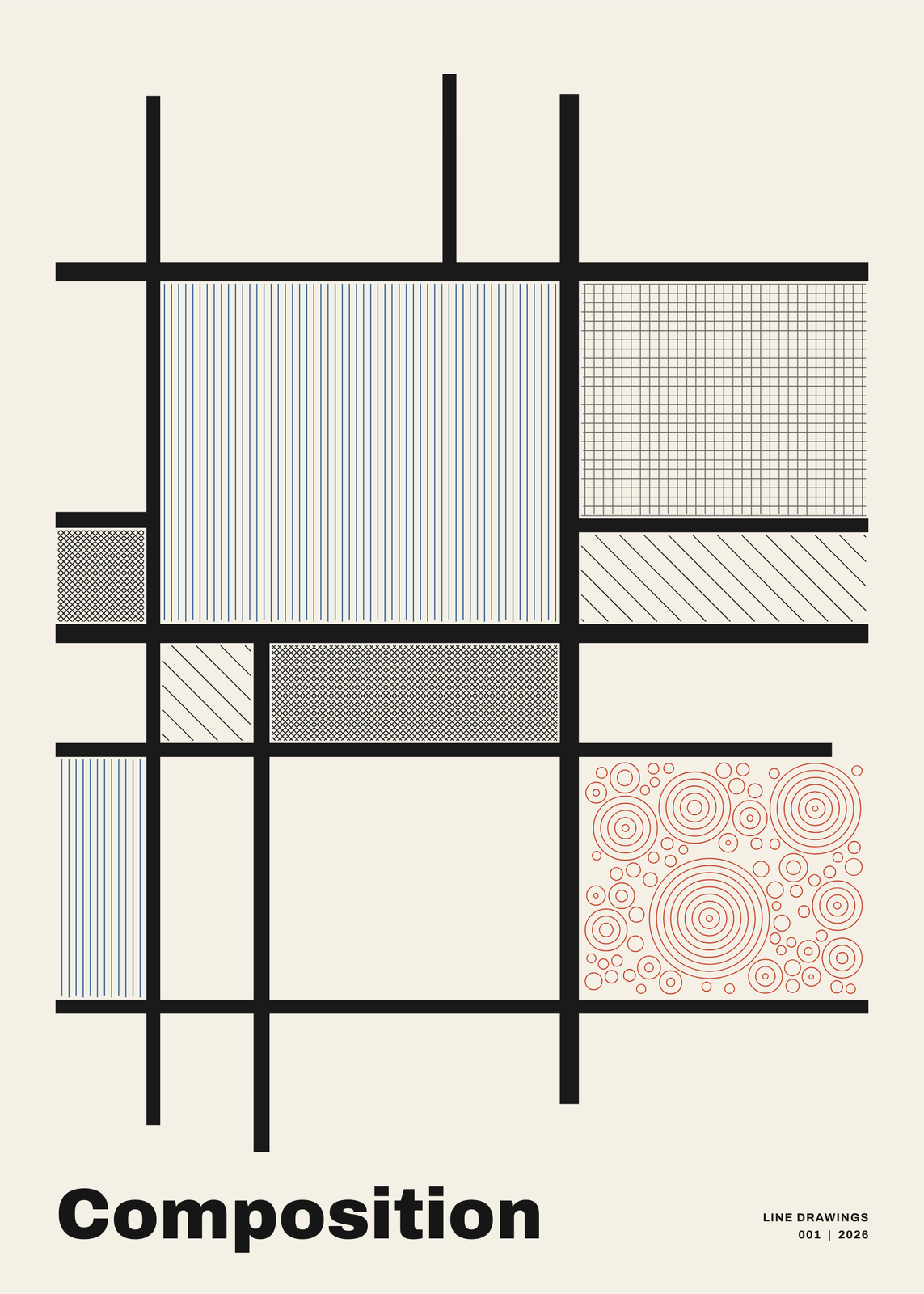 A Mondrian drawn in pen texturesEdit this →
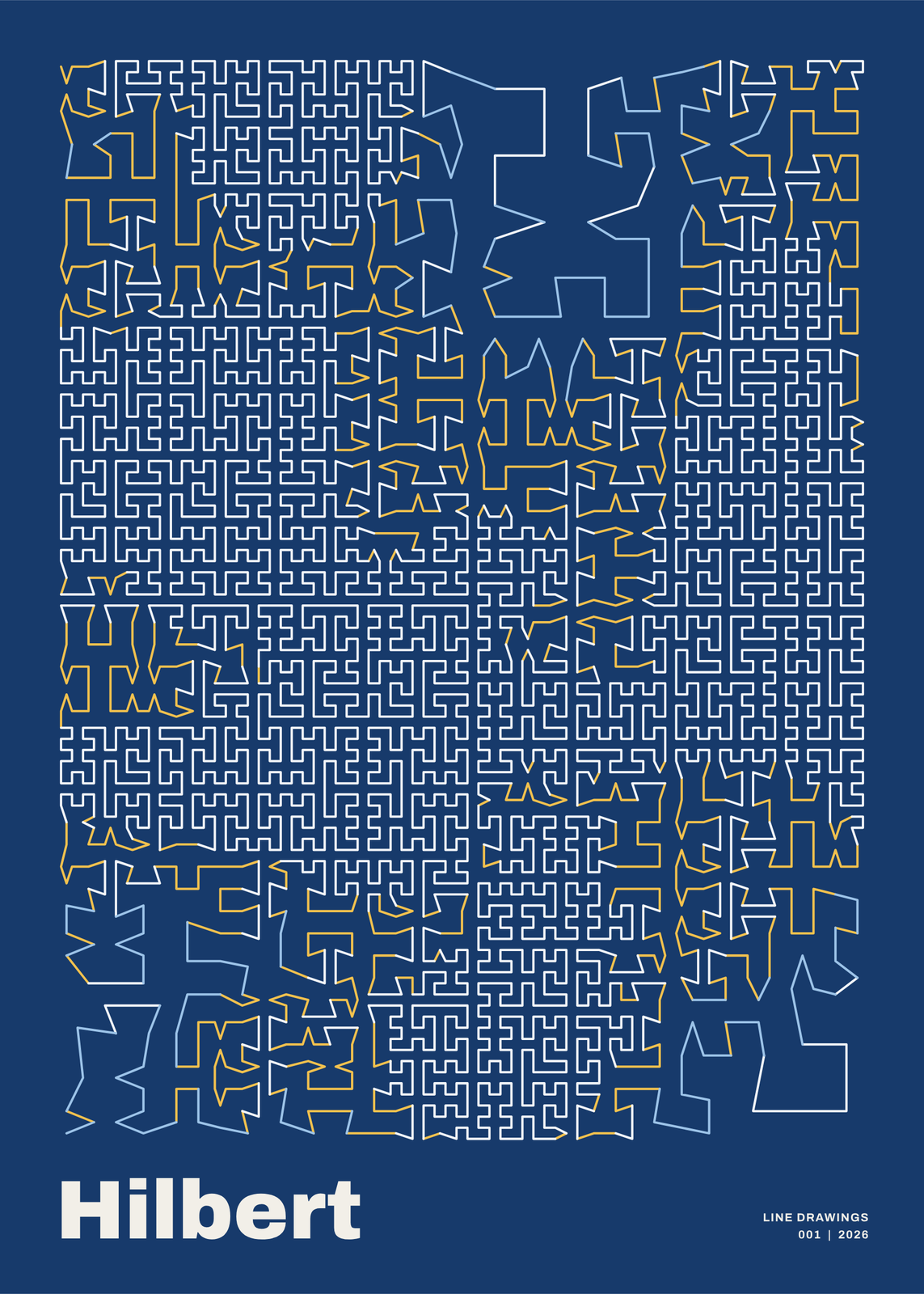 Hilbert curve, dense and lightEdit this →
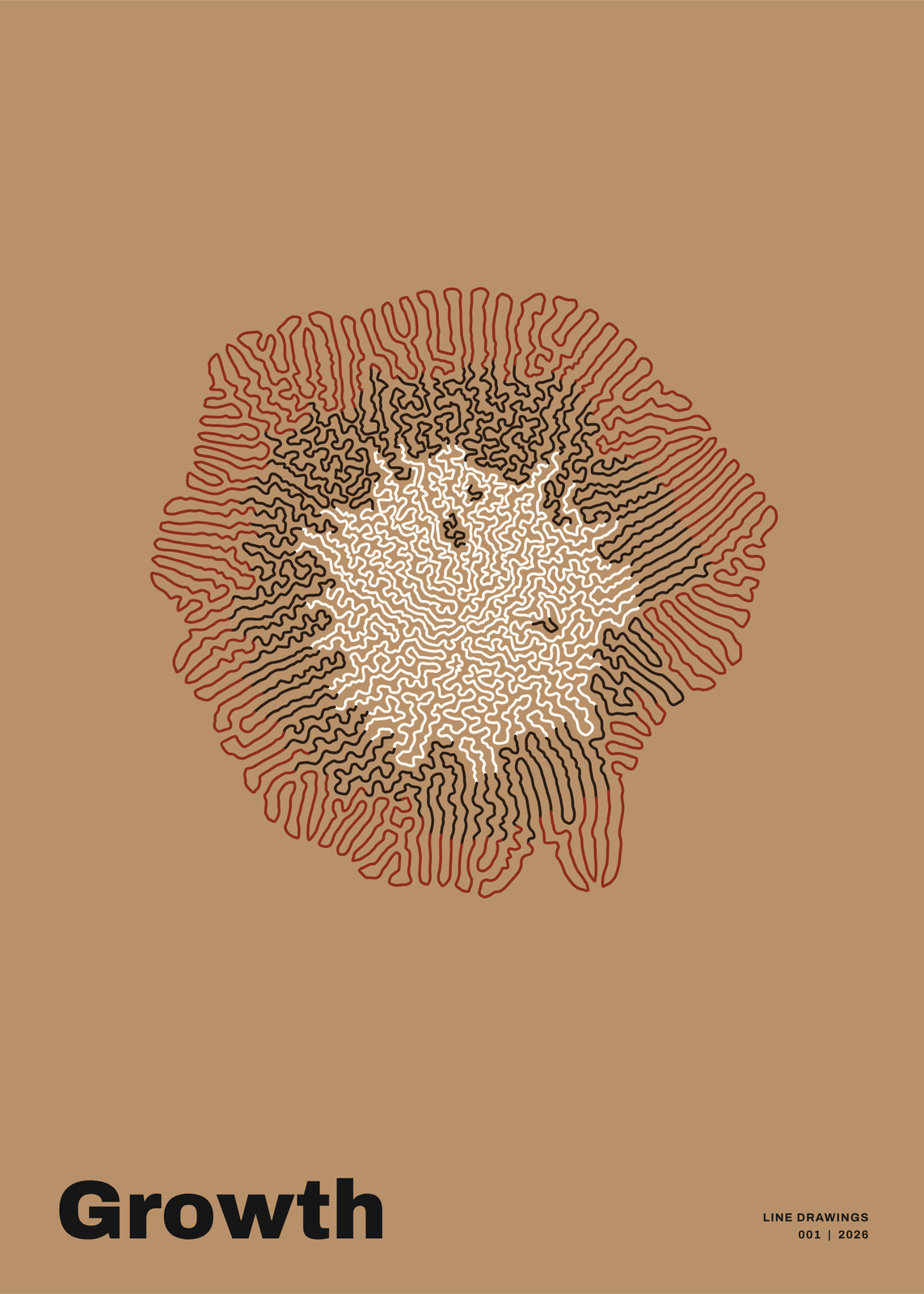 Growing folded lineEdit this →
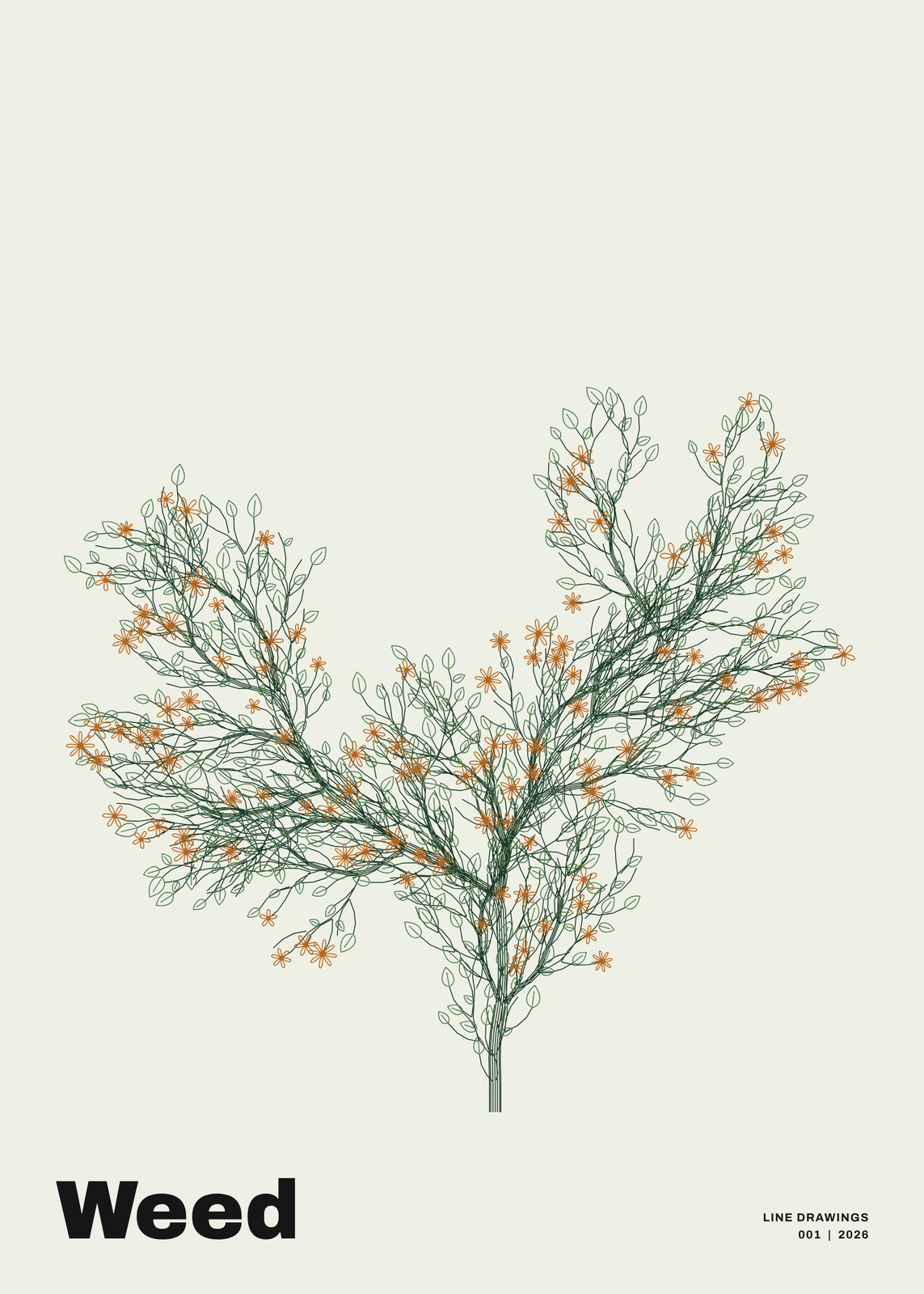 Wild weed in flowerEdit this →
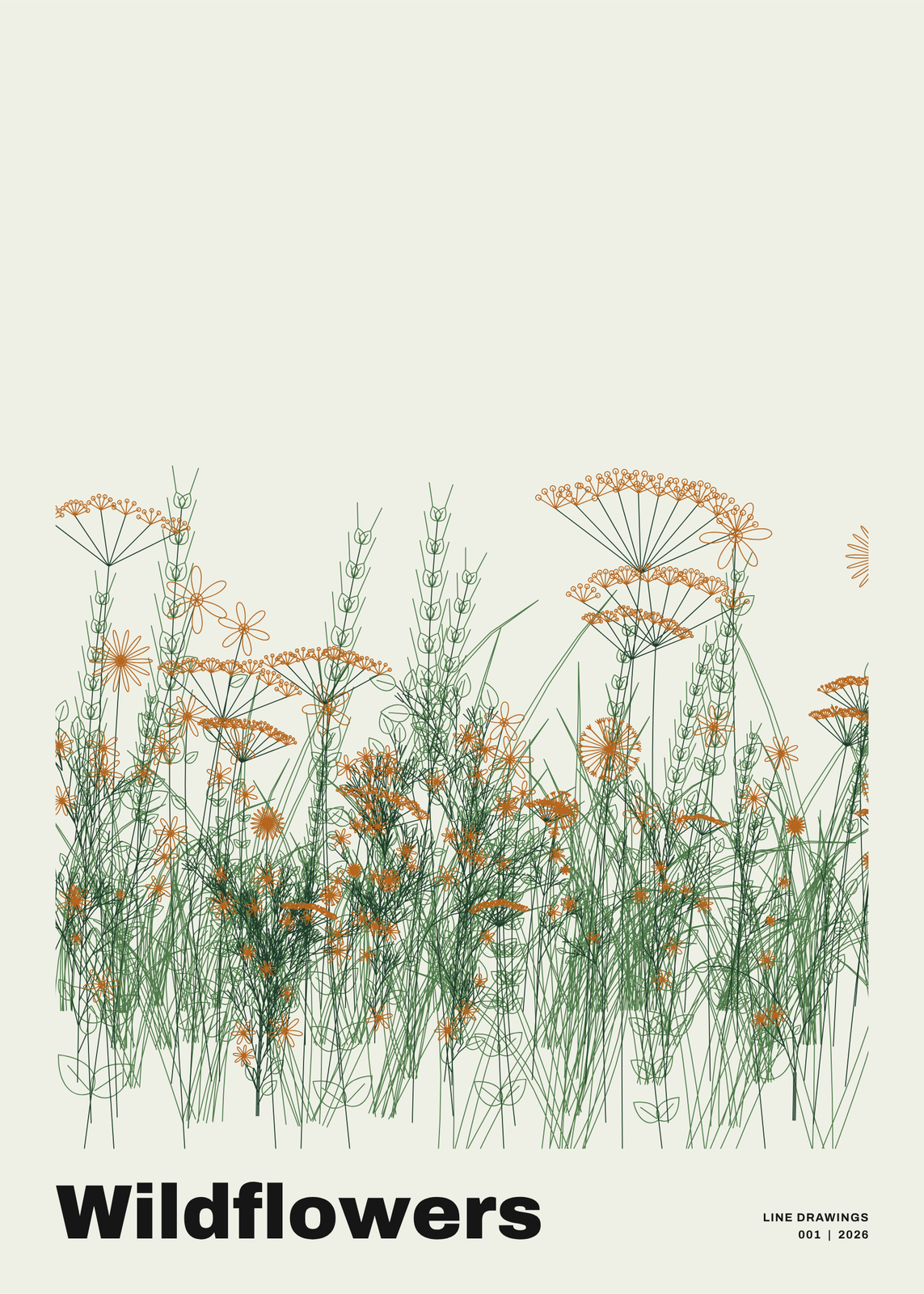 Wildflower meadowEdit this →
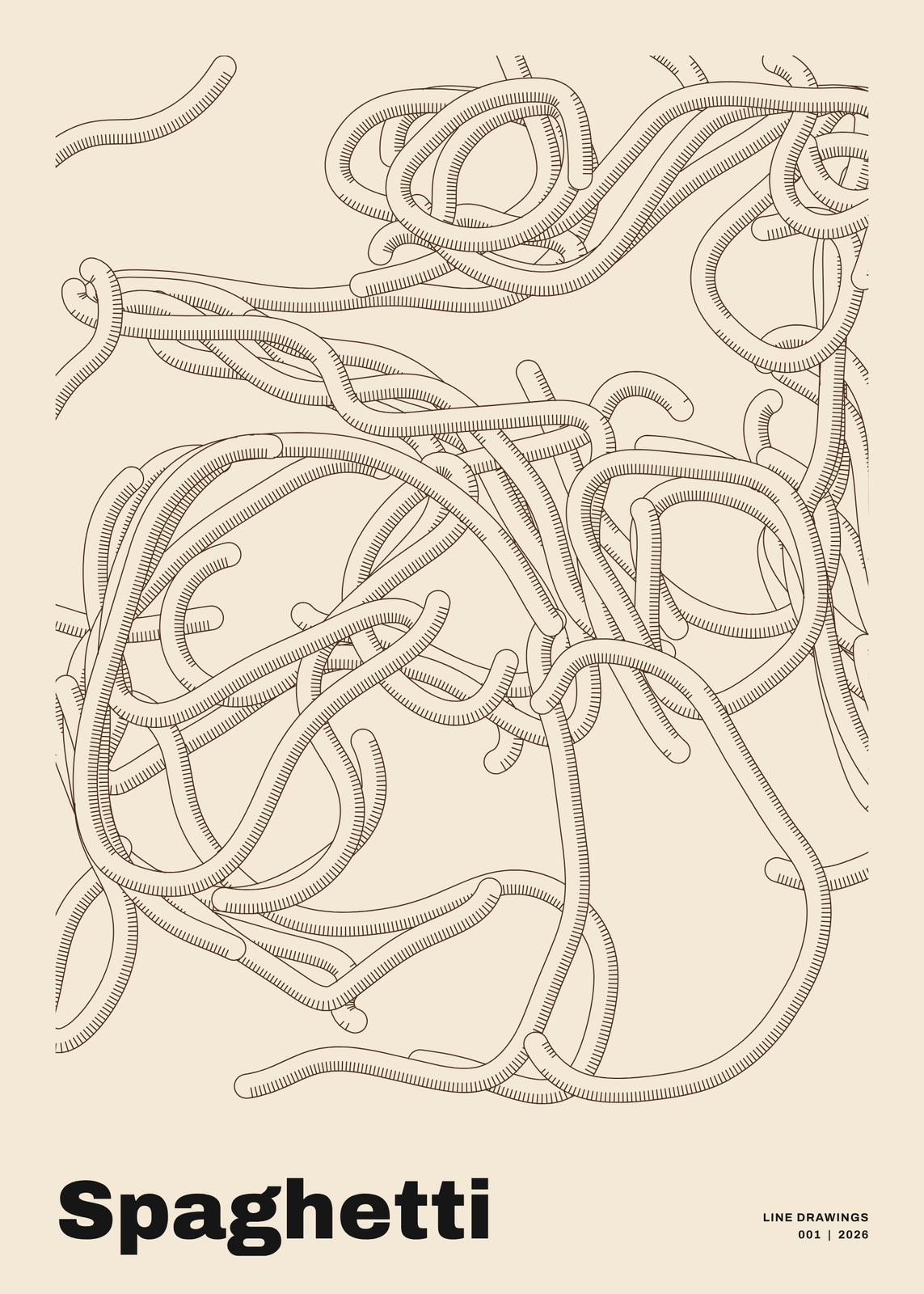 Hatched spaghettiEdit this →
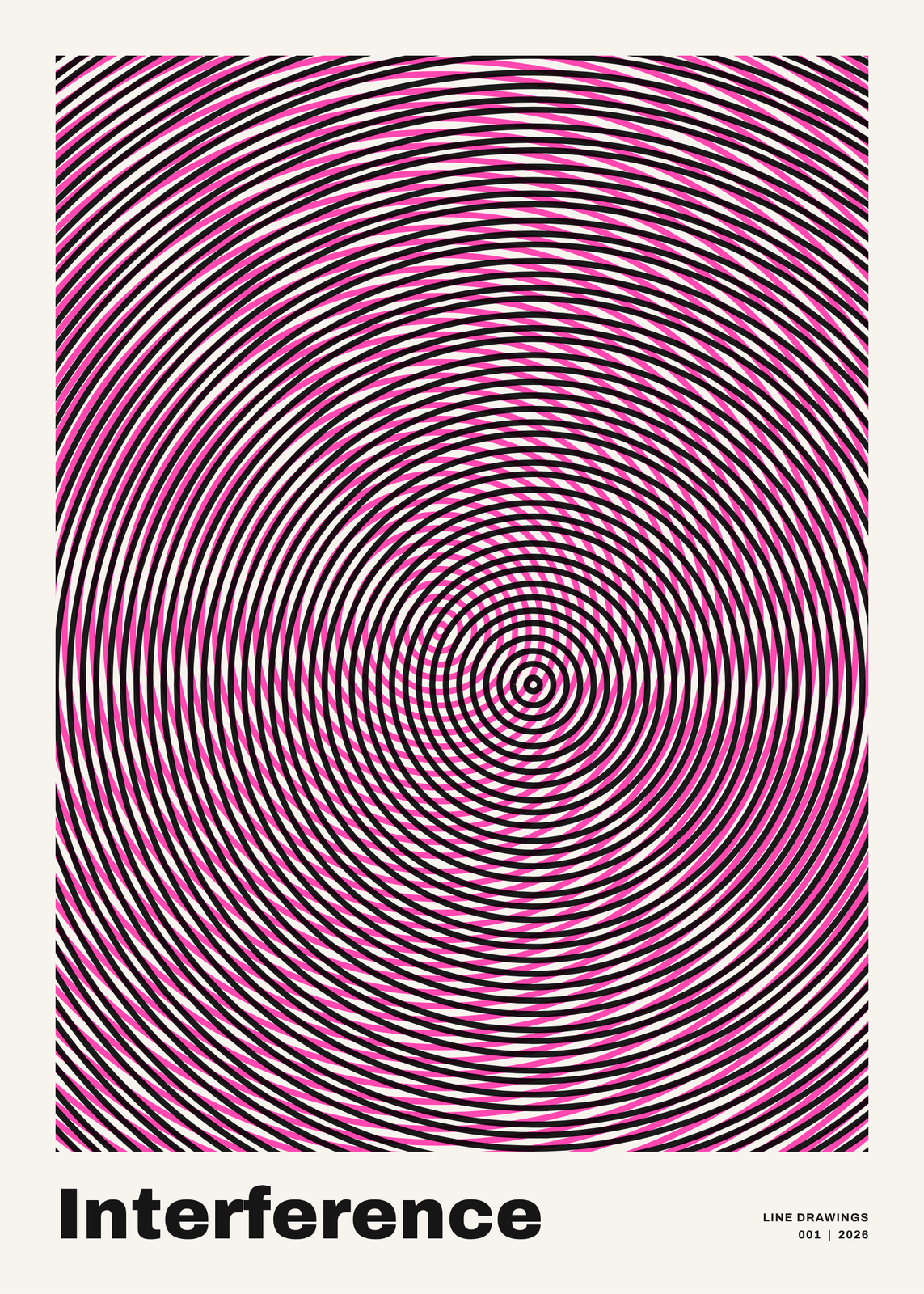 Moiré rings in two inksEdit this →
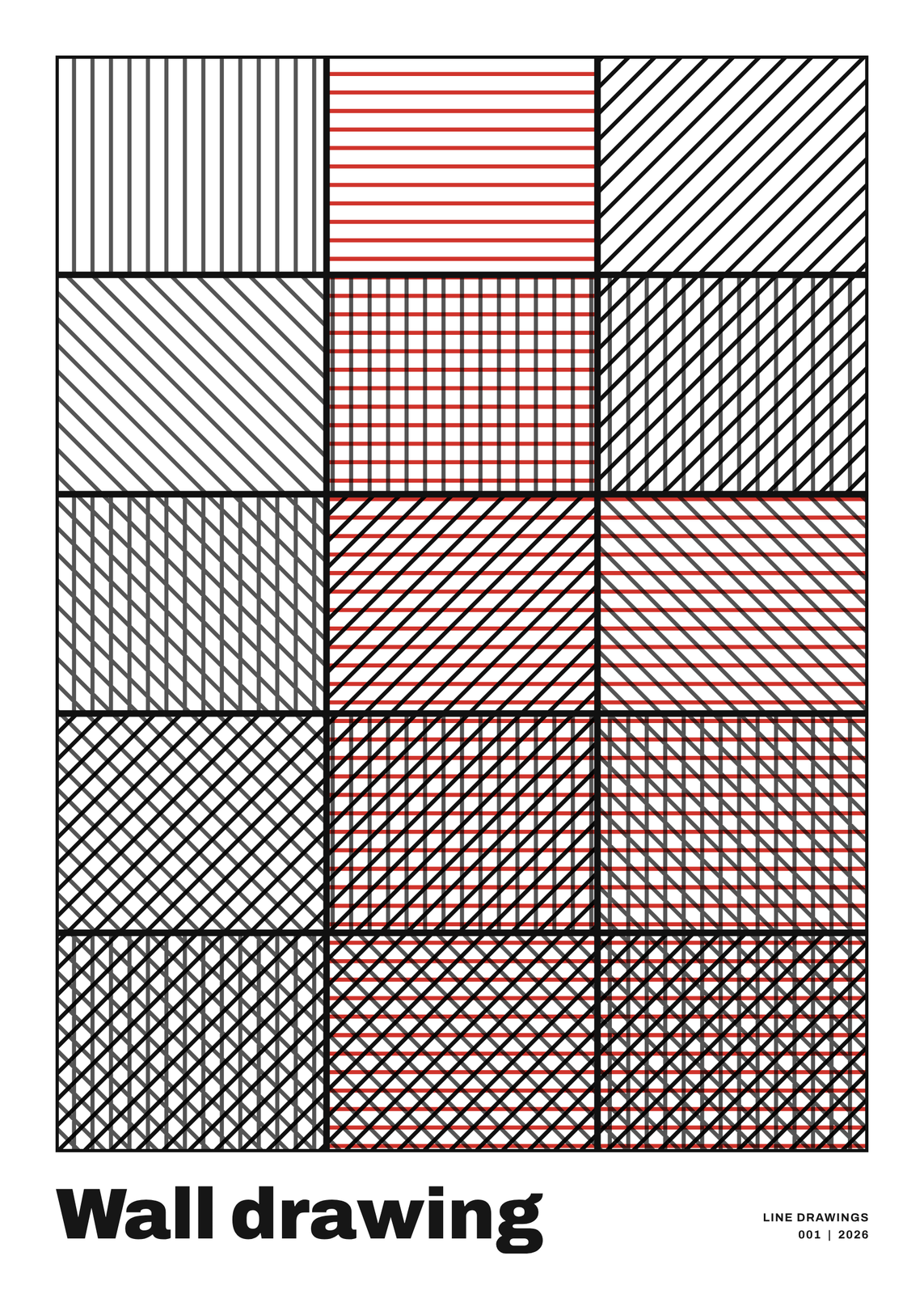 Wall drawing after LeWittEdit this →
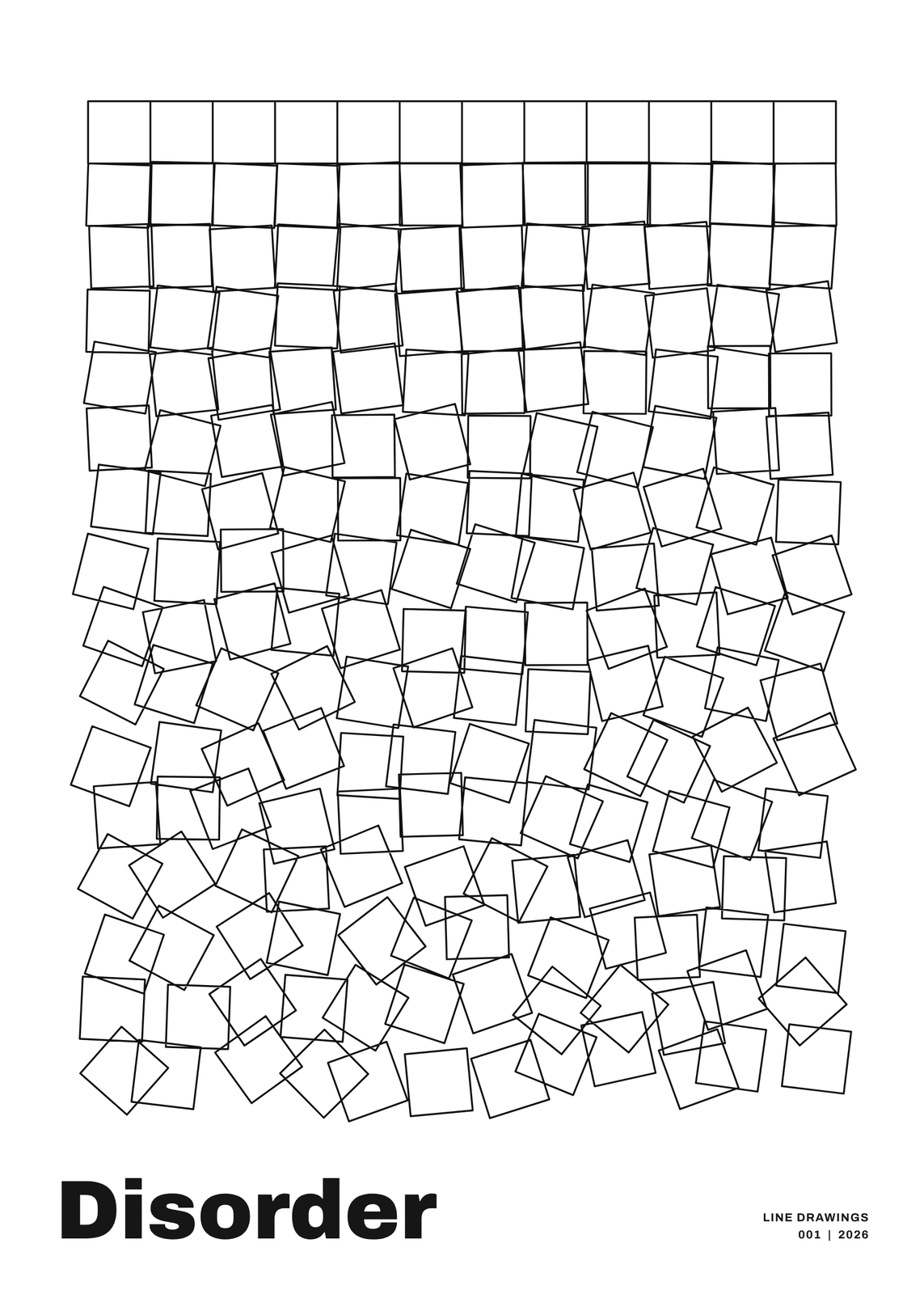 Squares tumbling into disorderEdit this →
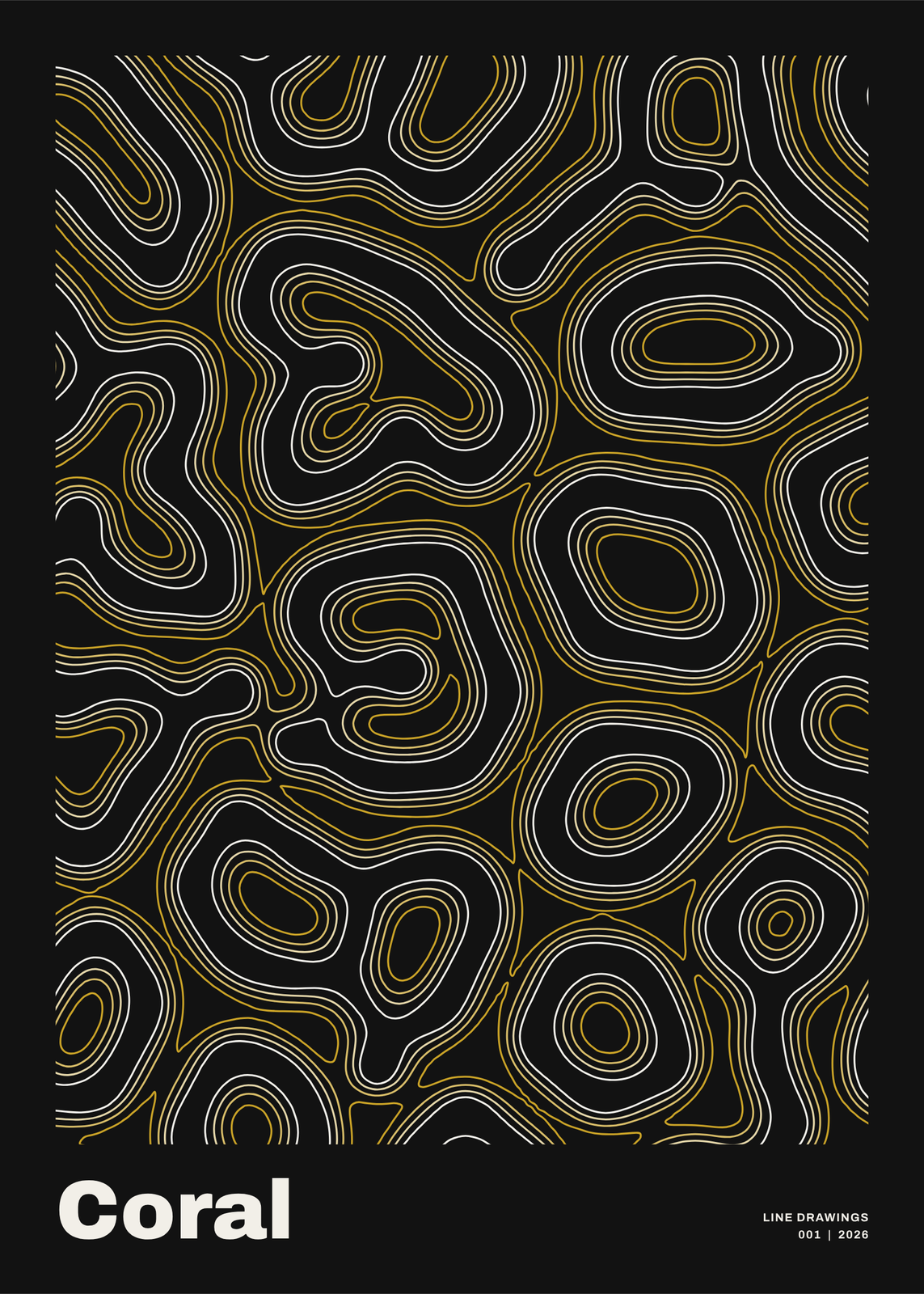 Reaction-diffusion coralEdit this →
Subjects and settings
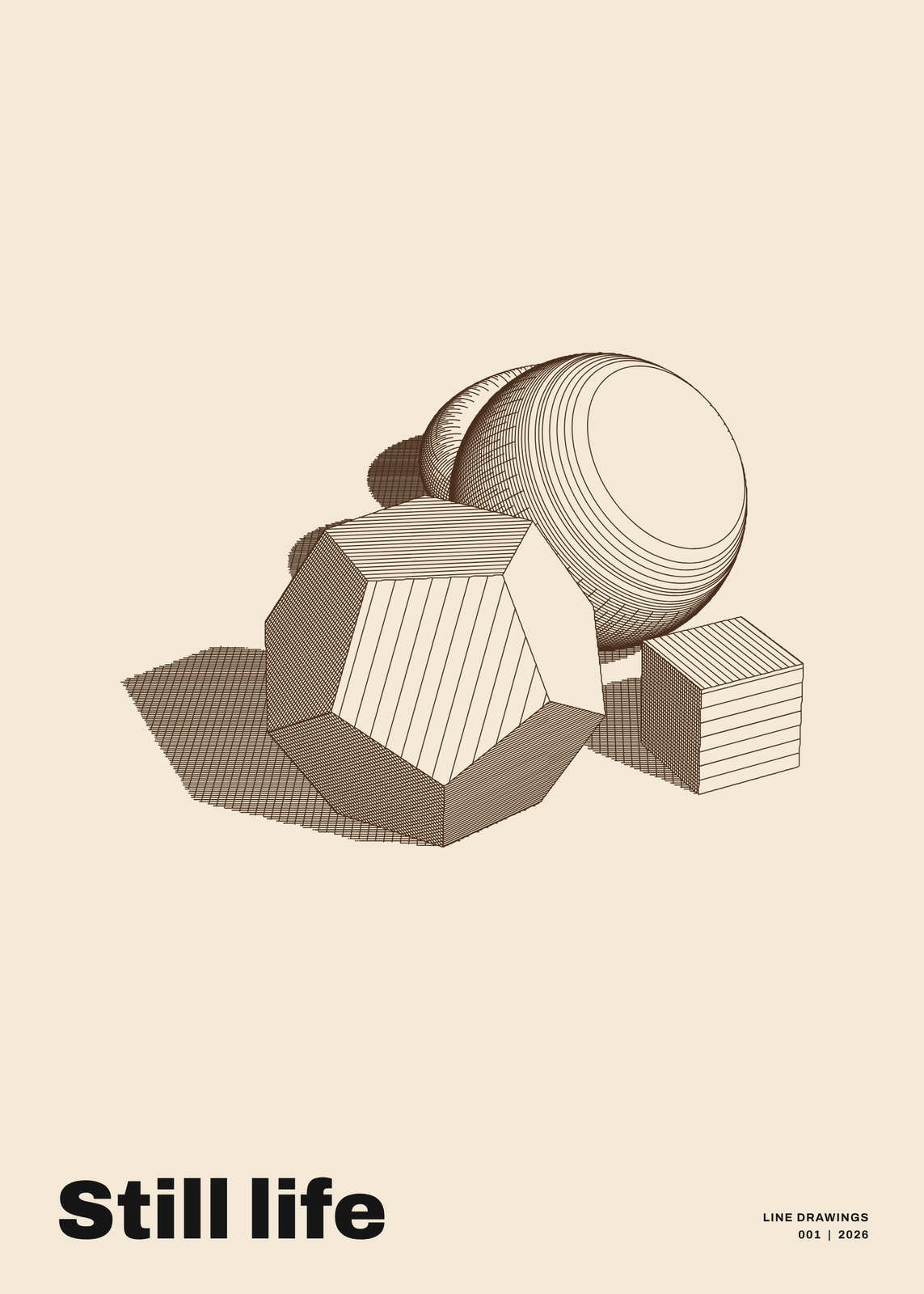 Hatched still lifeEdit this →
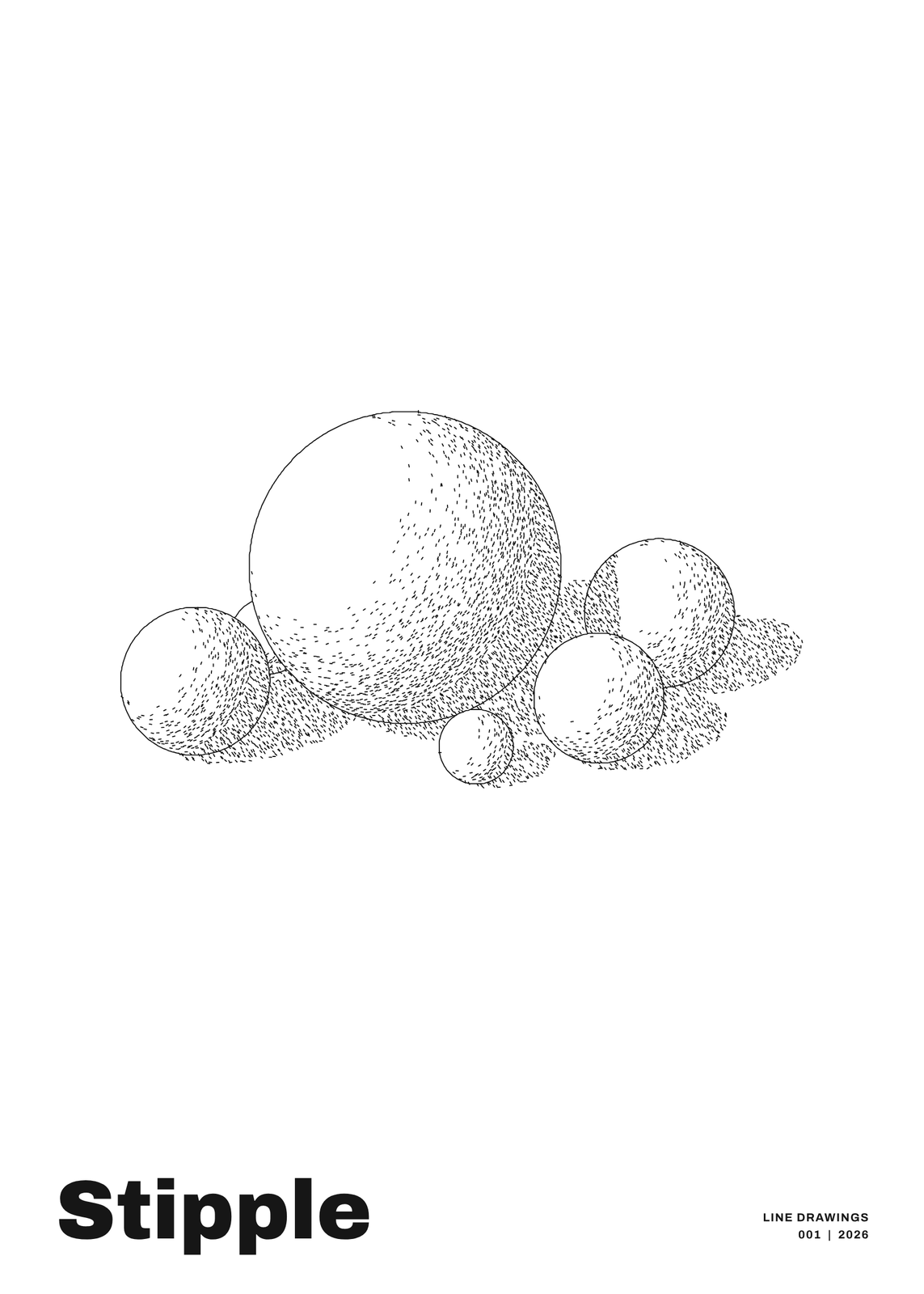 Stippled spheresEdit this →
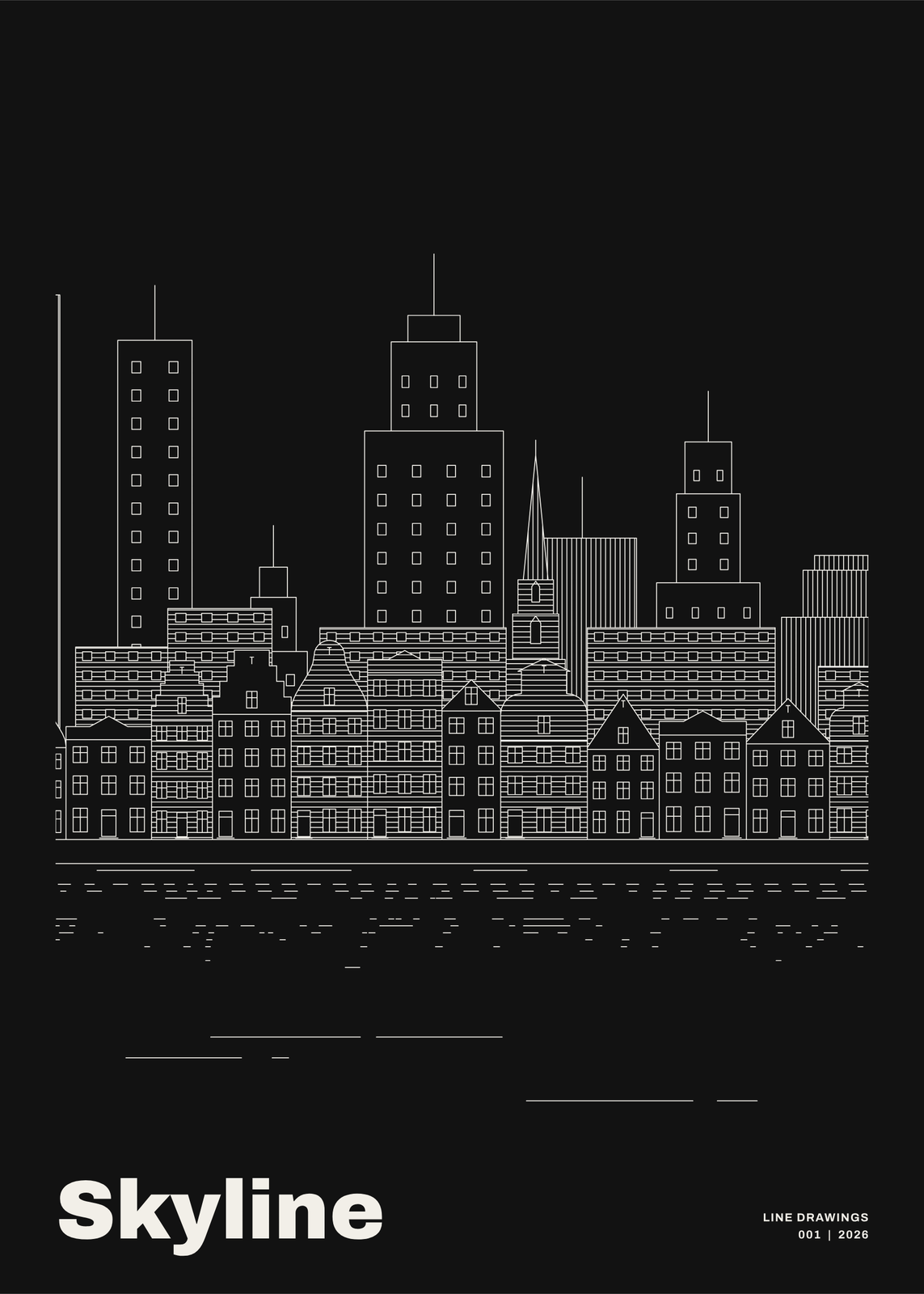 City skylineEdit this →
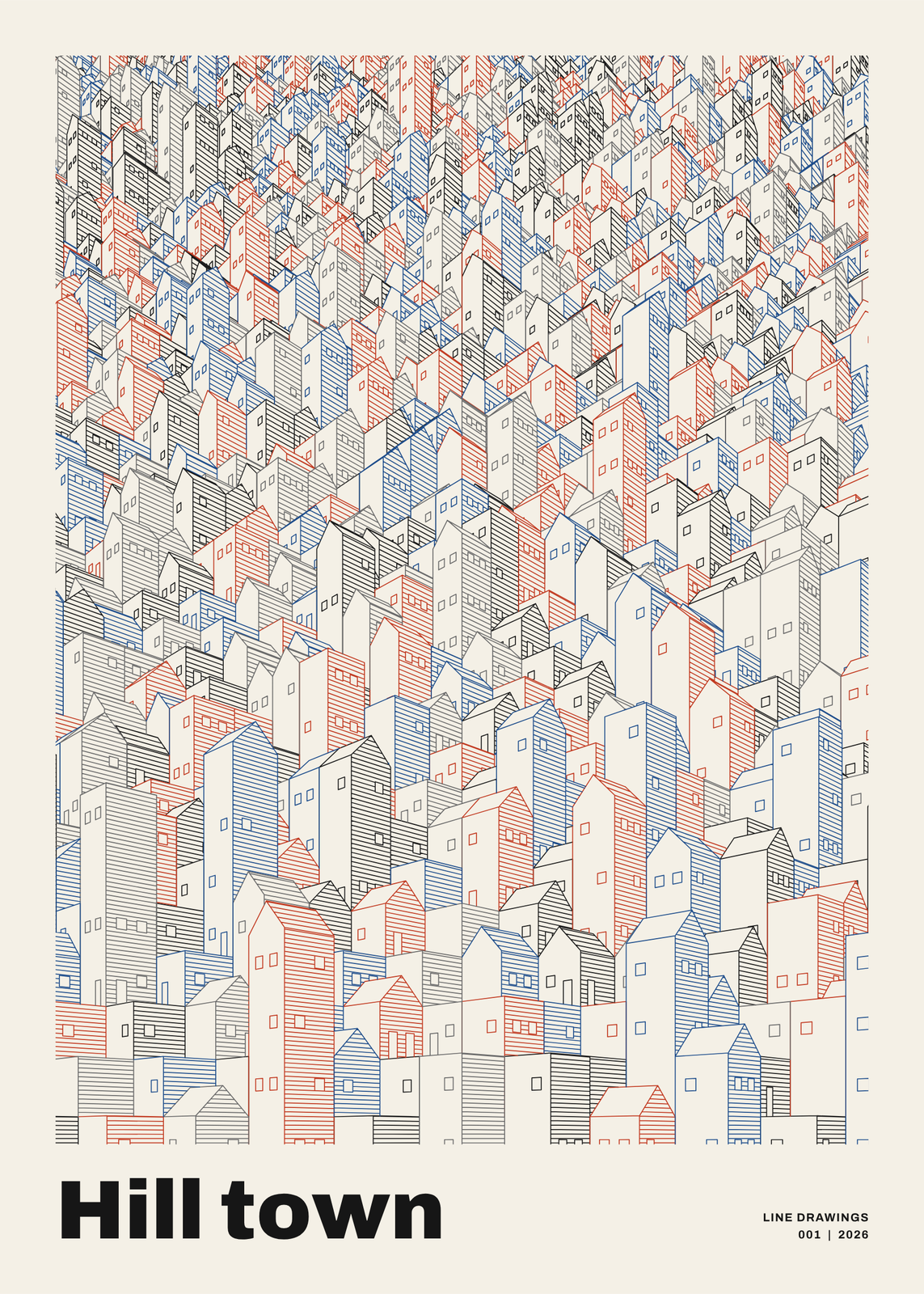 Houses on a hillEdit this →
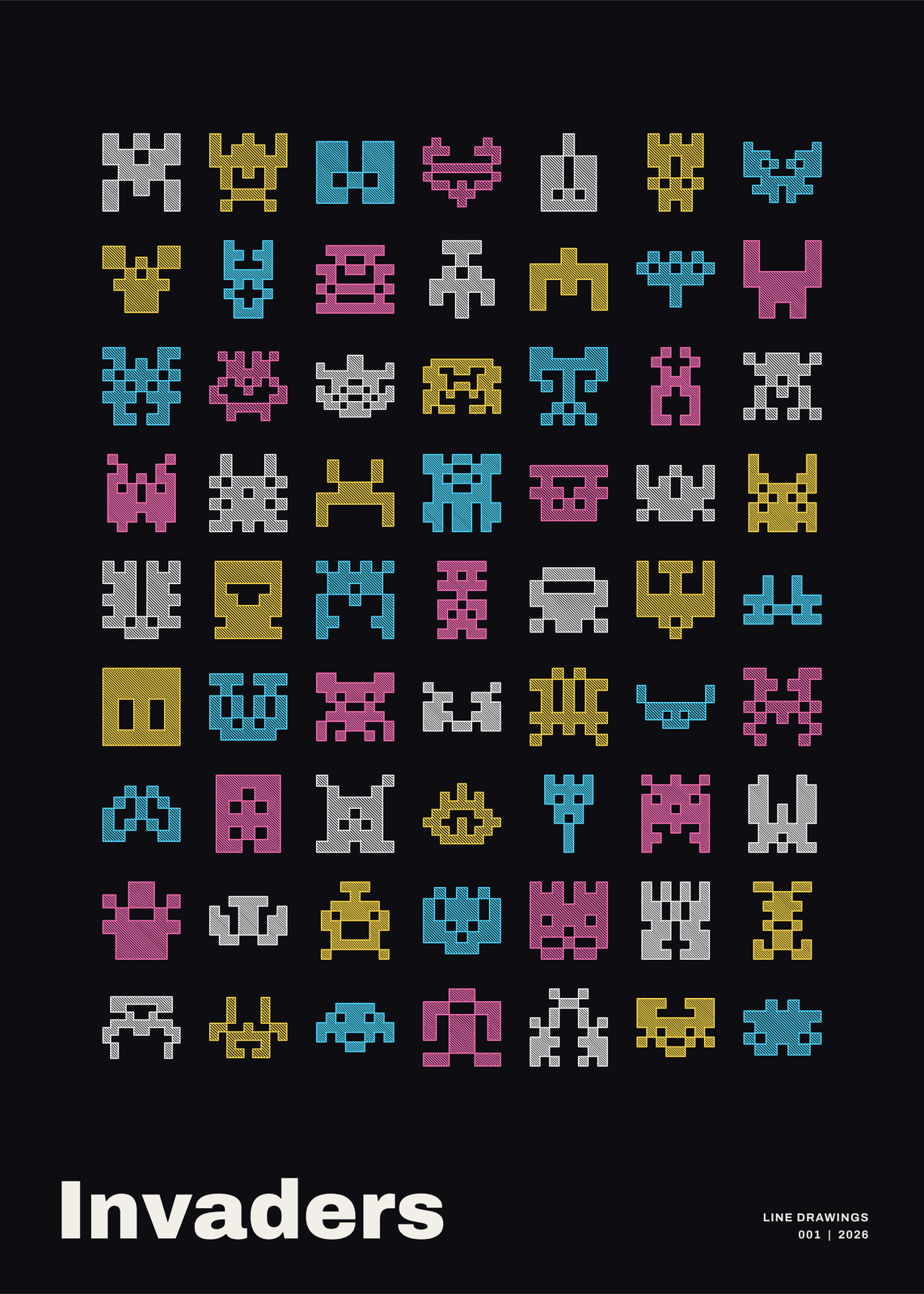 Pixel invadersEdit this →
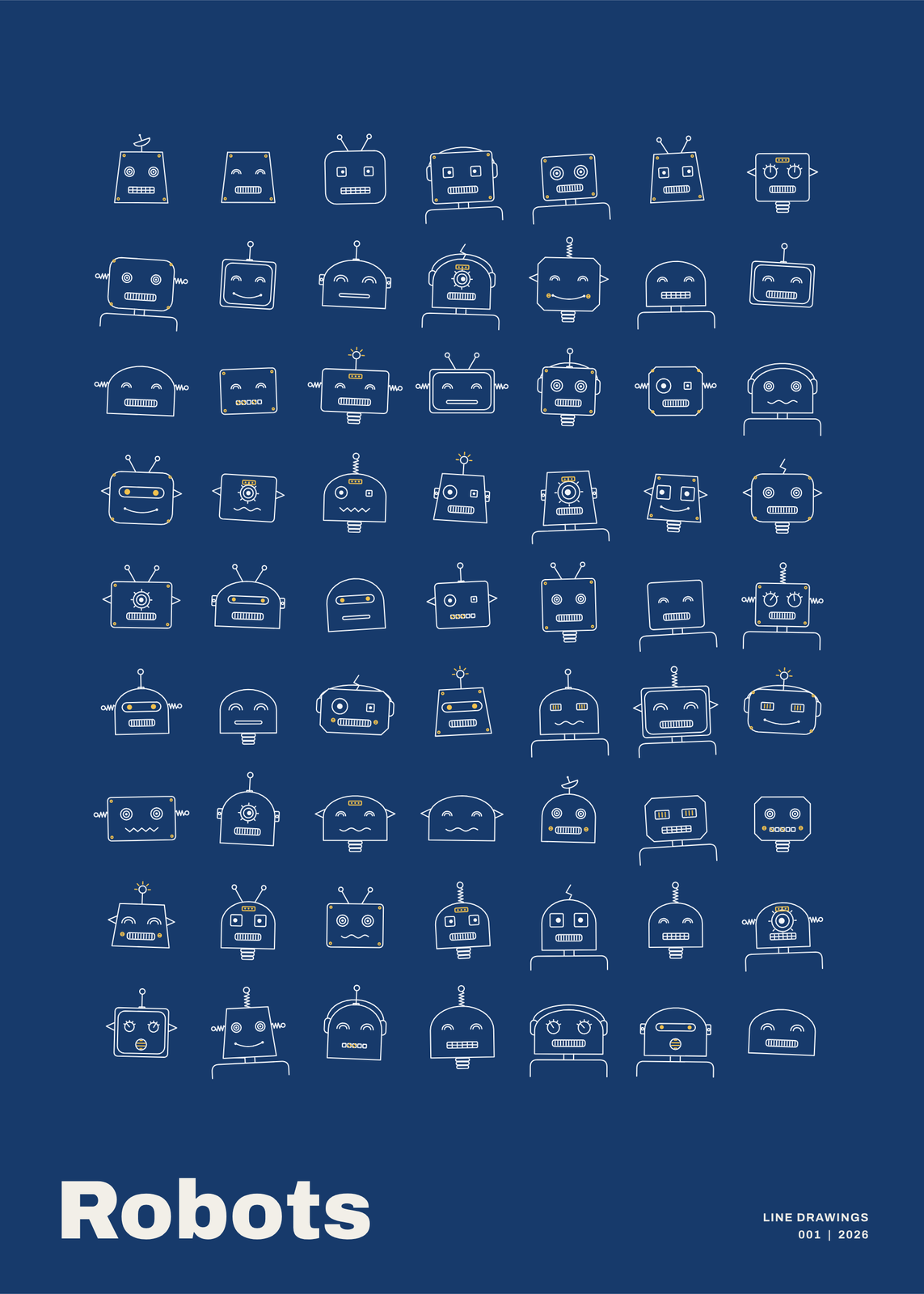 Robots in a rowEdit this →
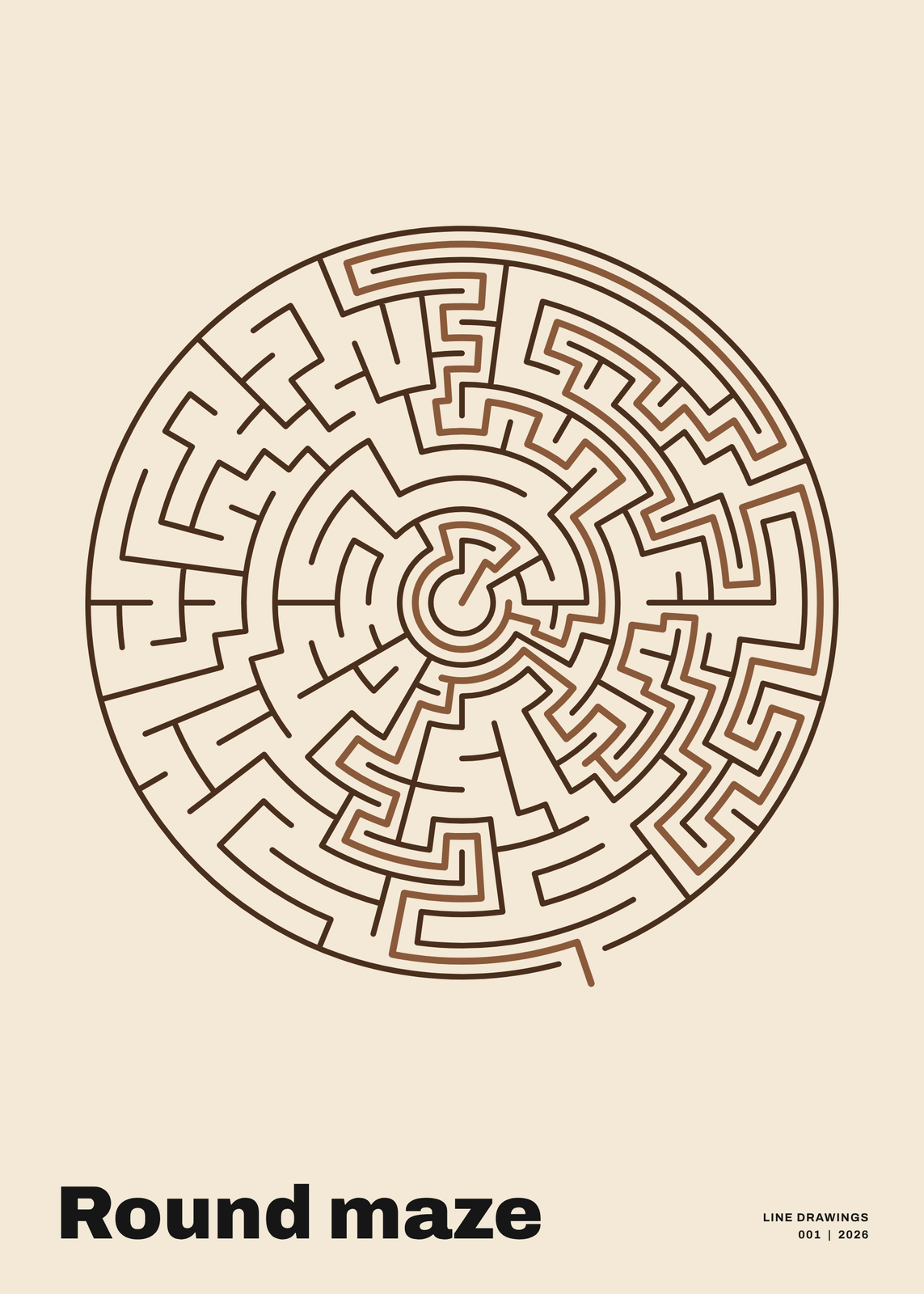 Circular mazeEdit this →
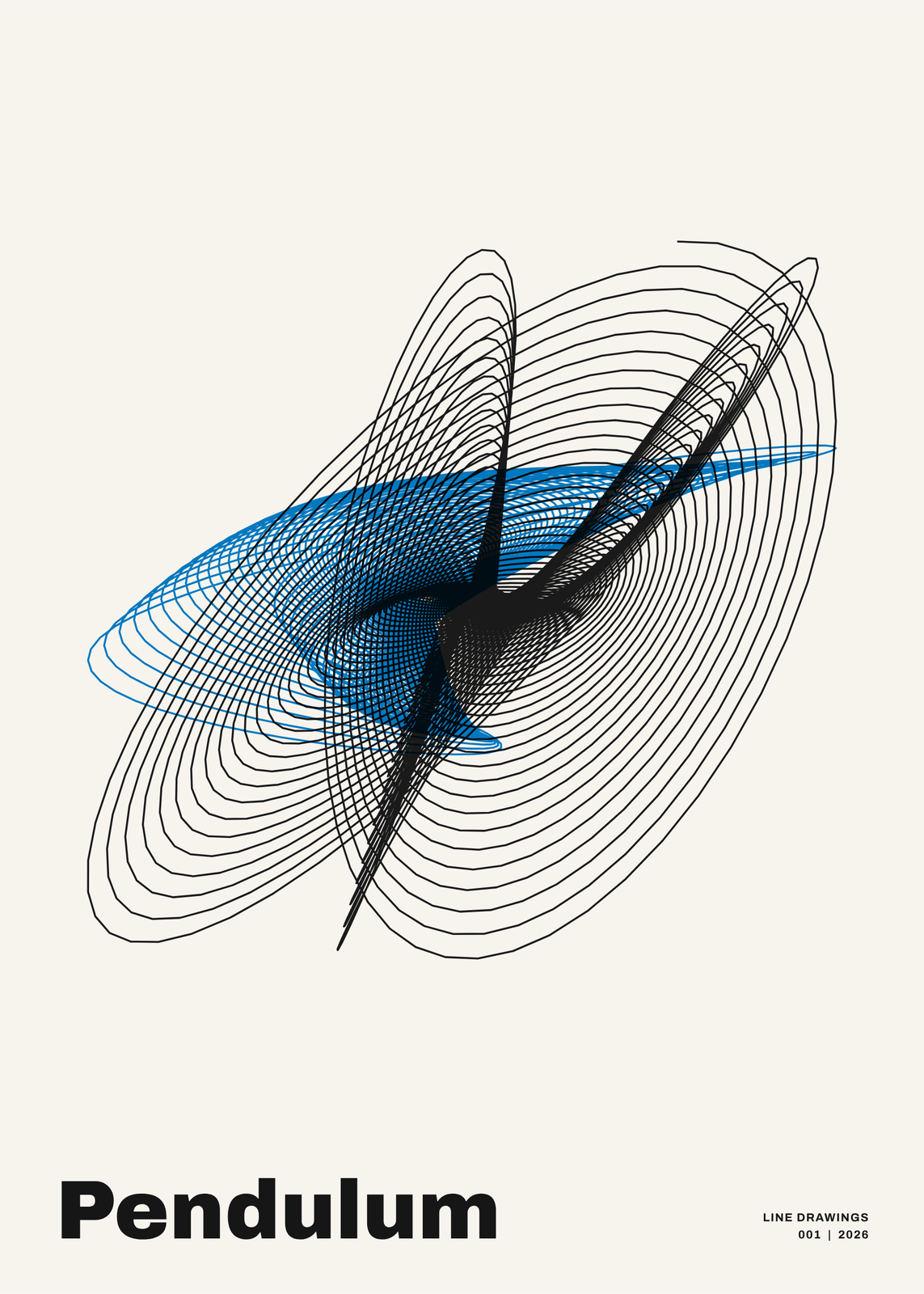 Harmonograph swirlEdit this →
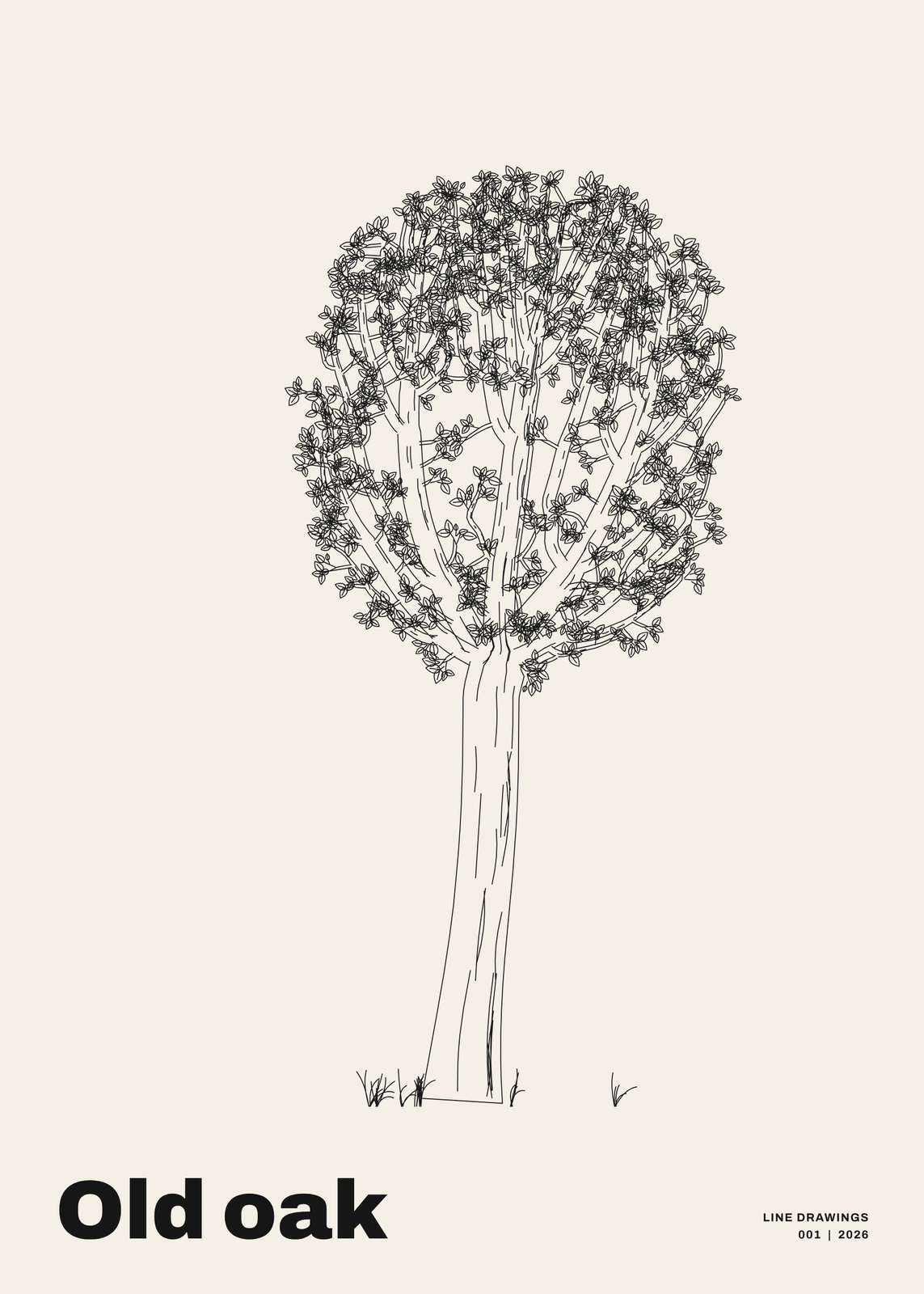 Tree in the windEdit this →
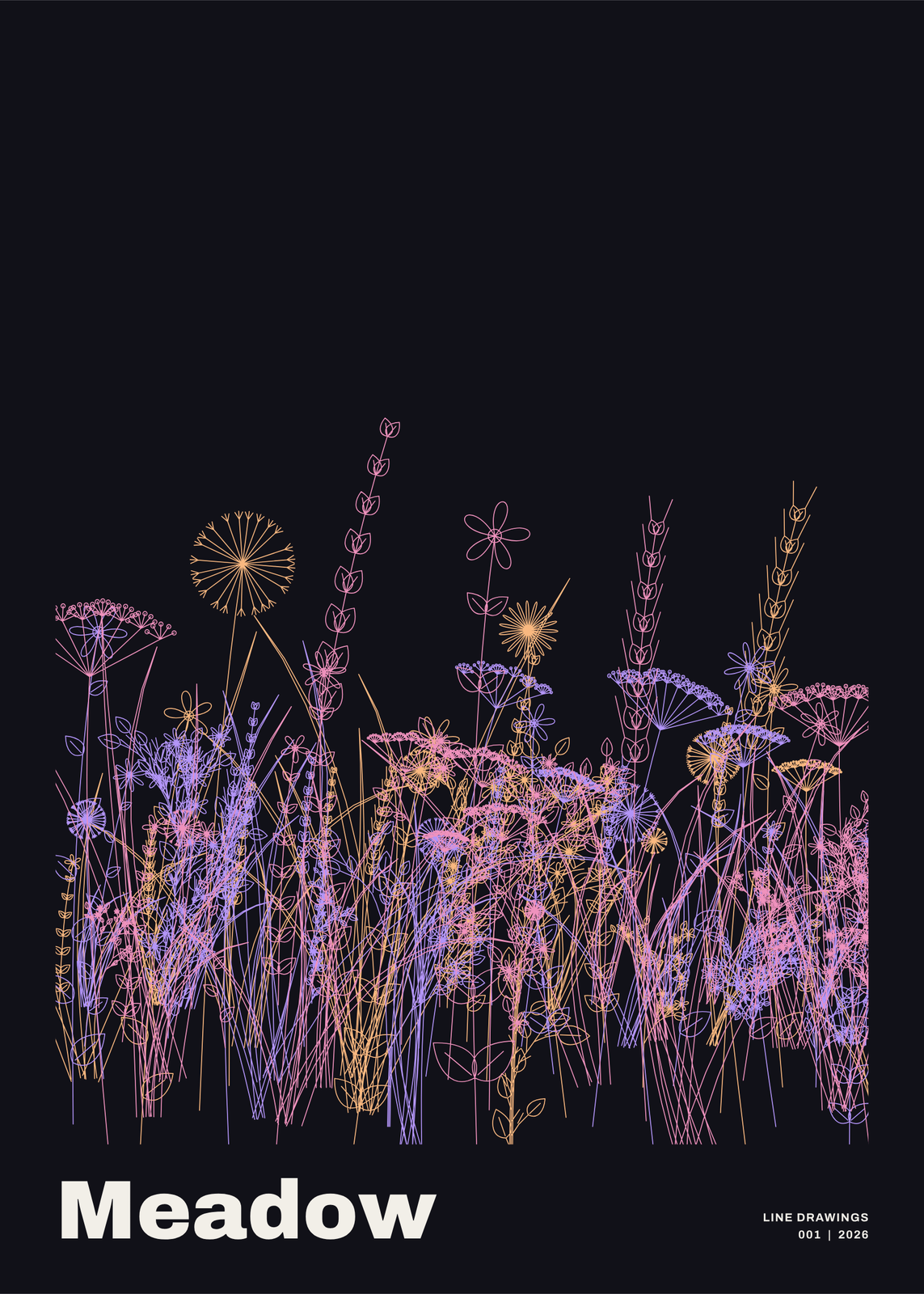 Meadow flowers on blackEdit this →
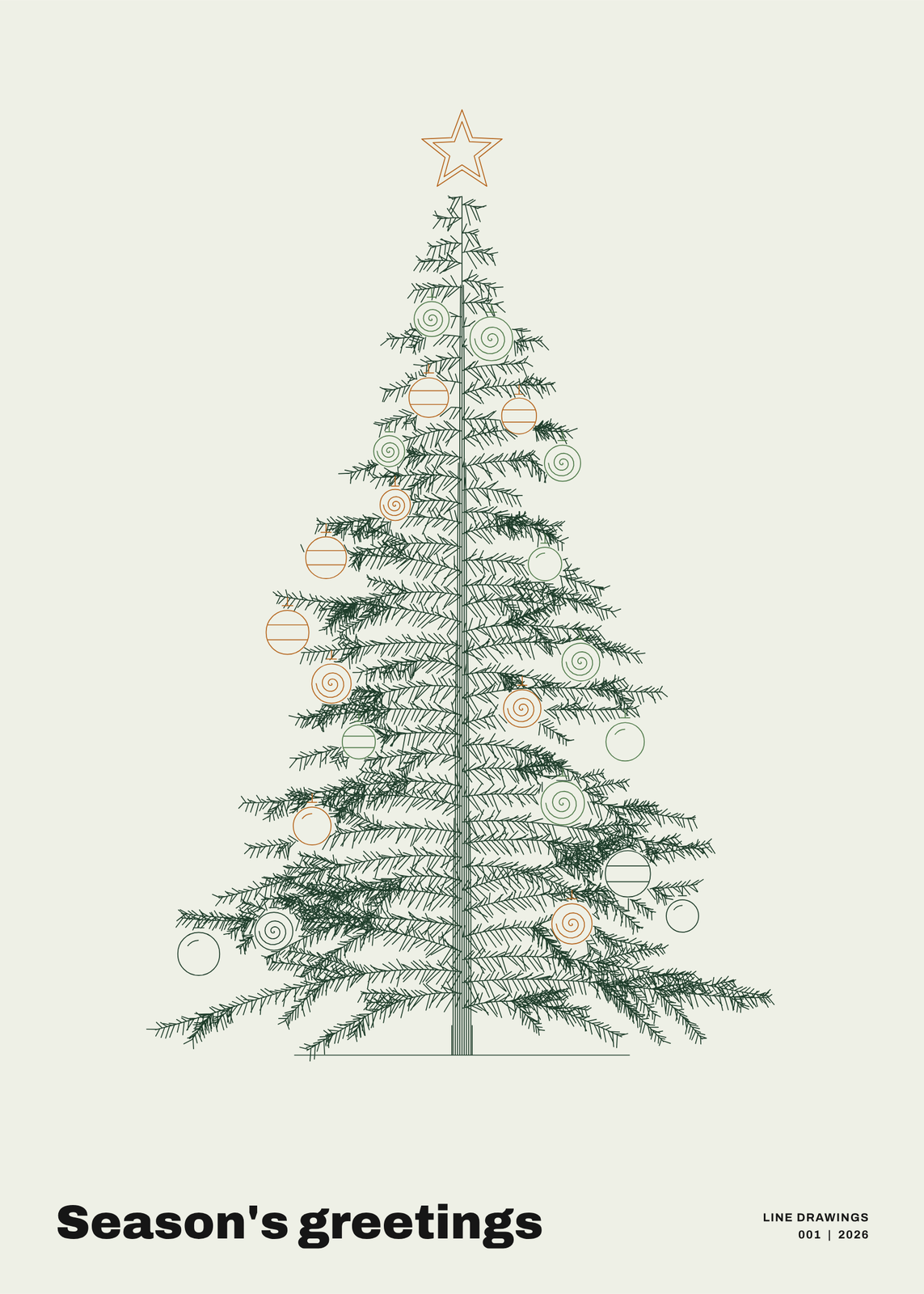 Festive tree with ornamentsEdit this →
Split grounds and colored regions
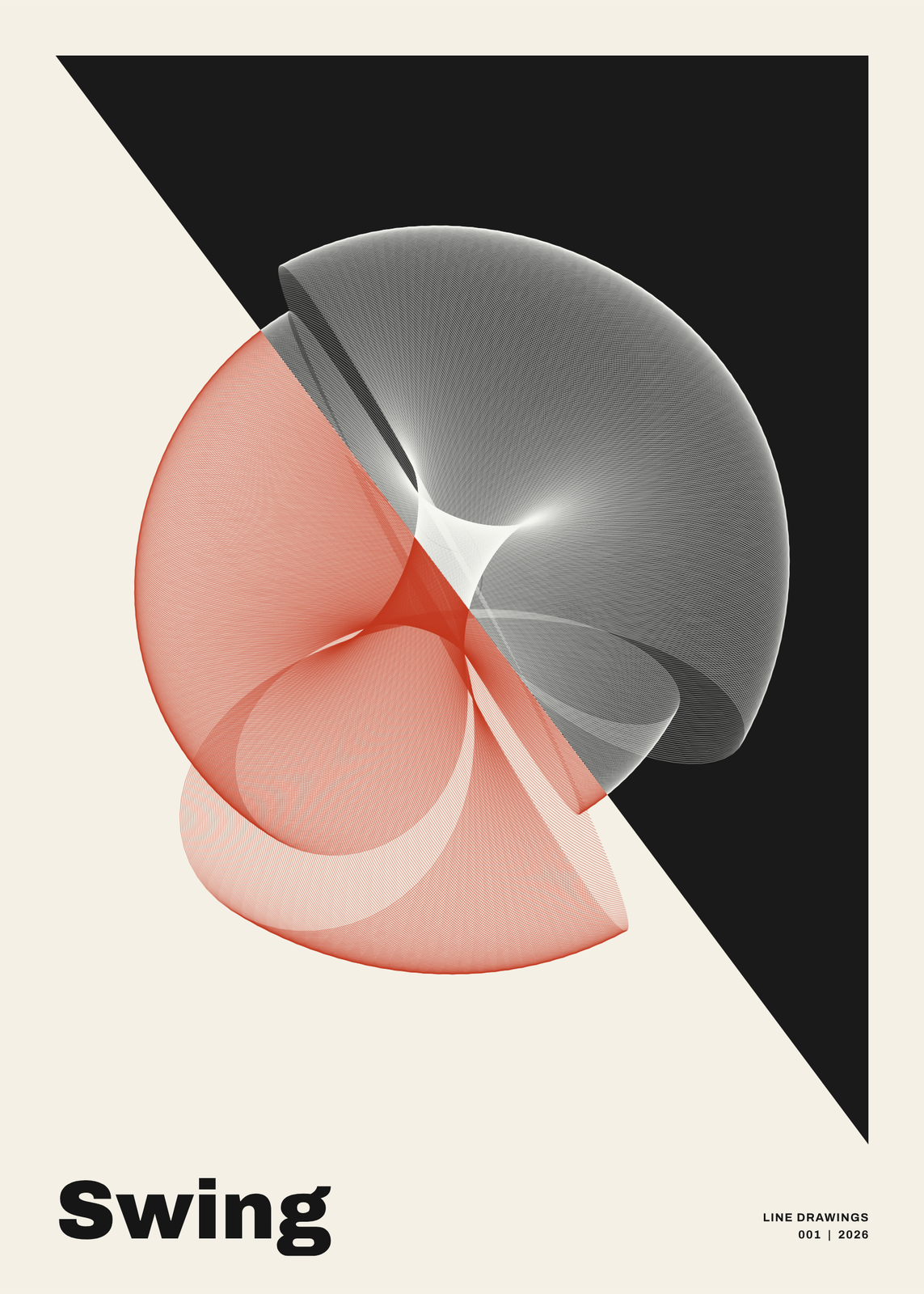 Harmonograph ribbons on a split groundEdit this →
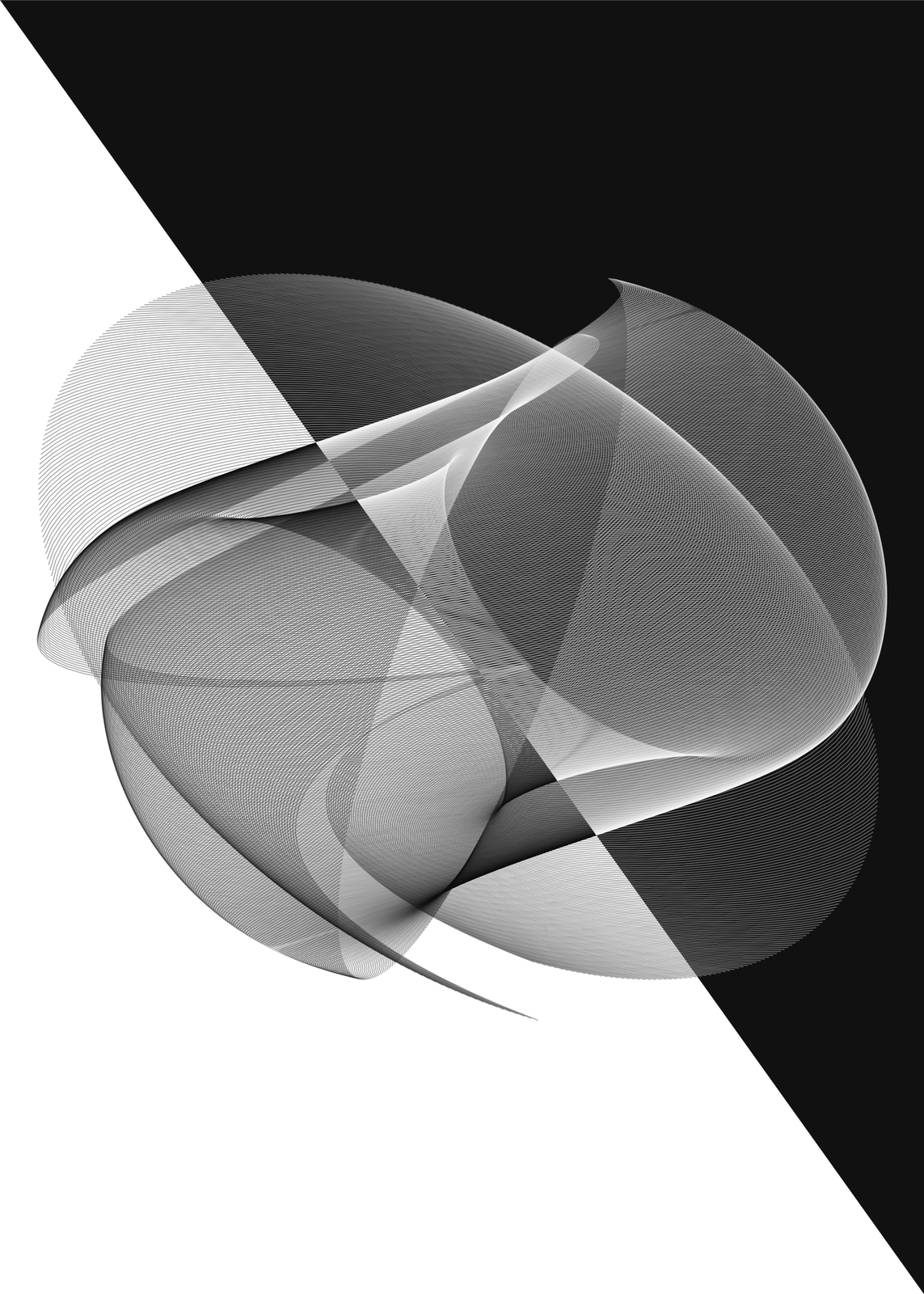 Two-tone ribbons, edge to edgeEdit this →
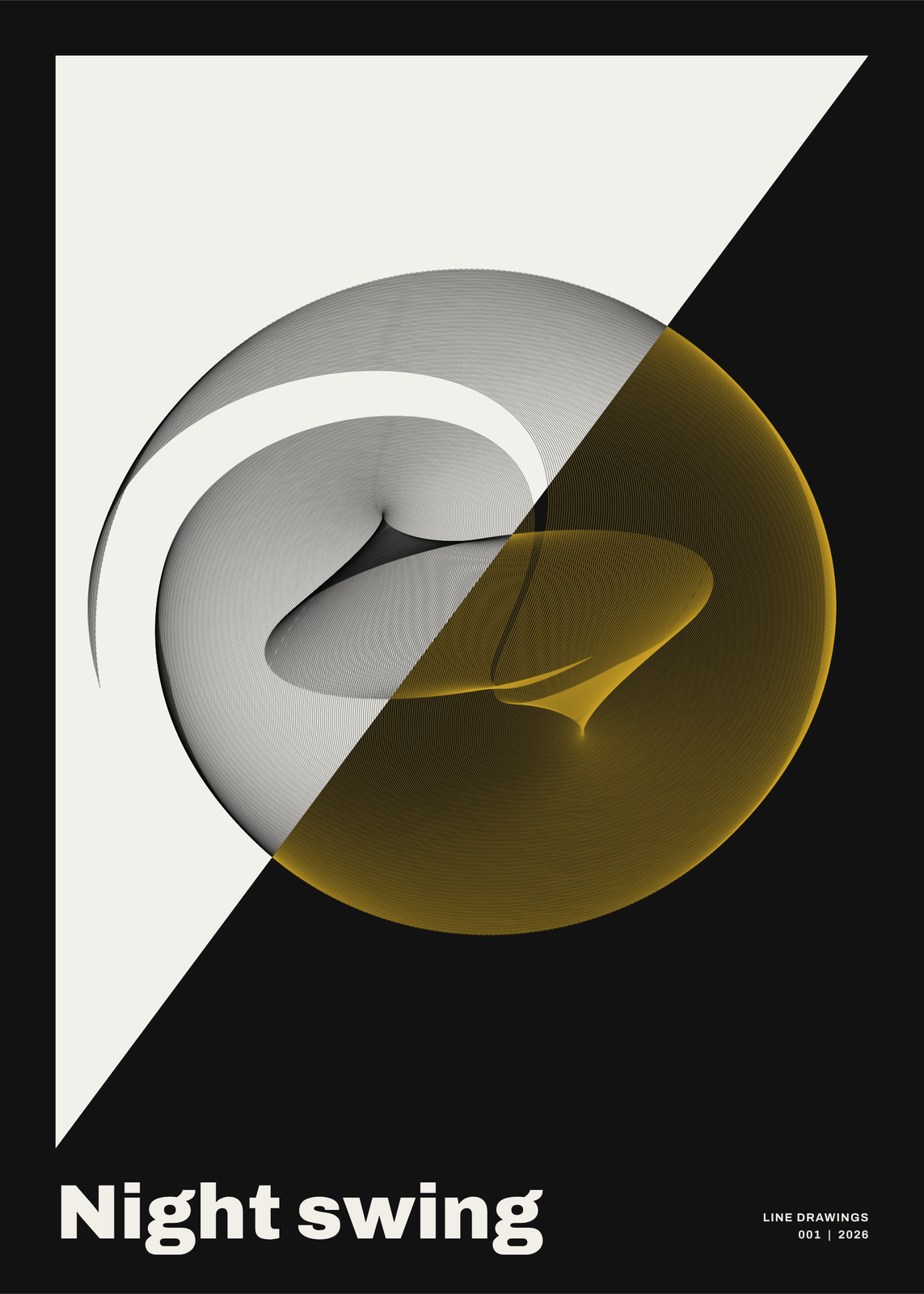 Gold ribbons crossing into the nightEdit this →
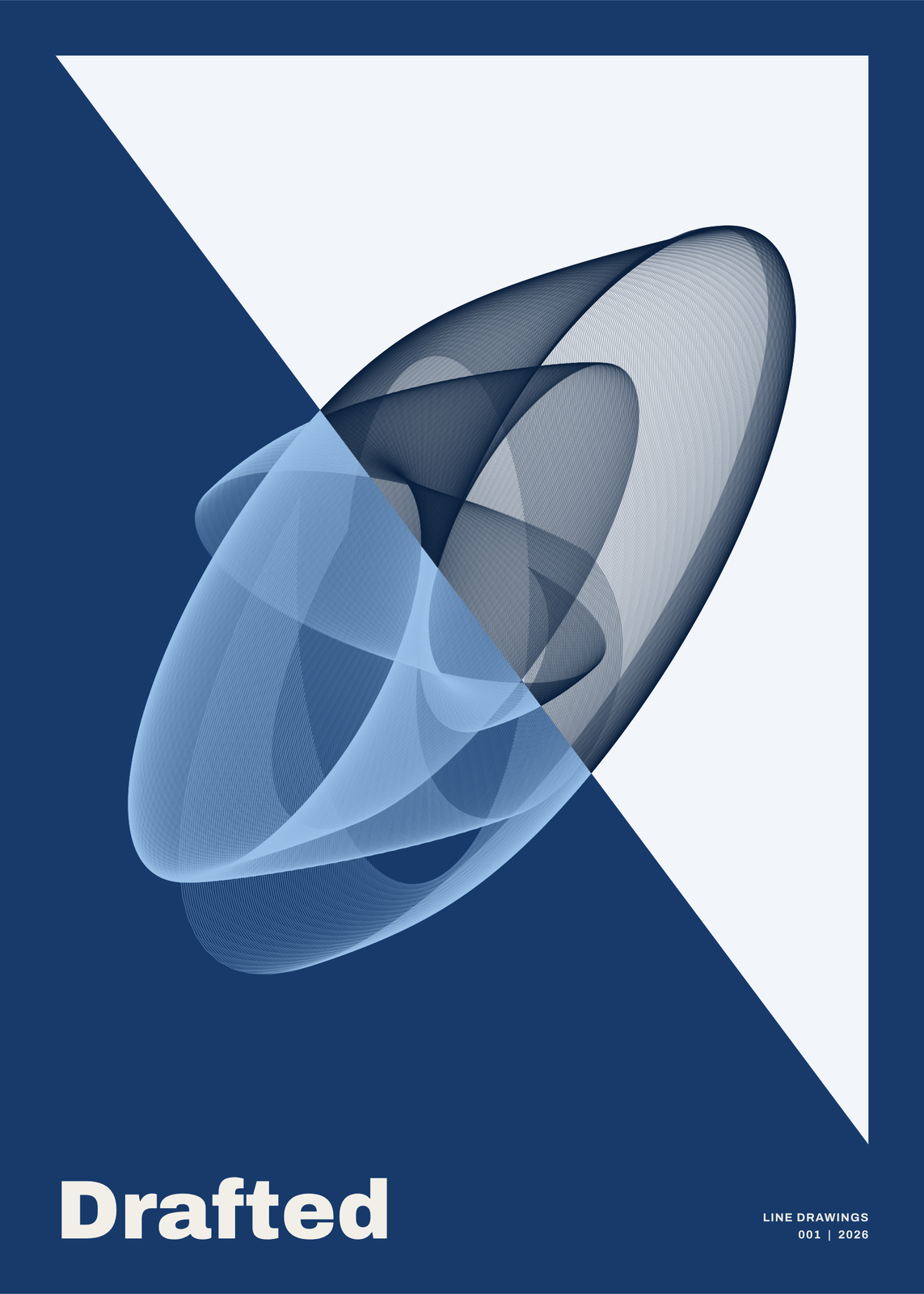 Ribbons on a blueprint, half whiteEdit this →
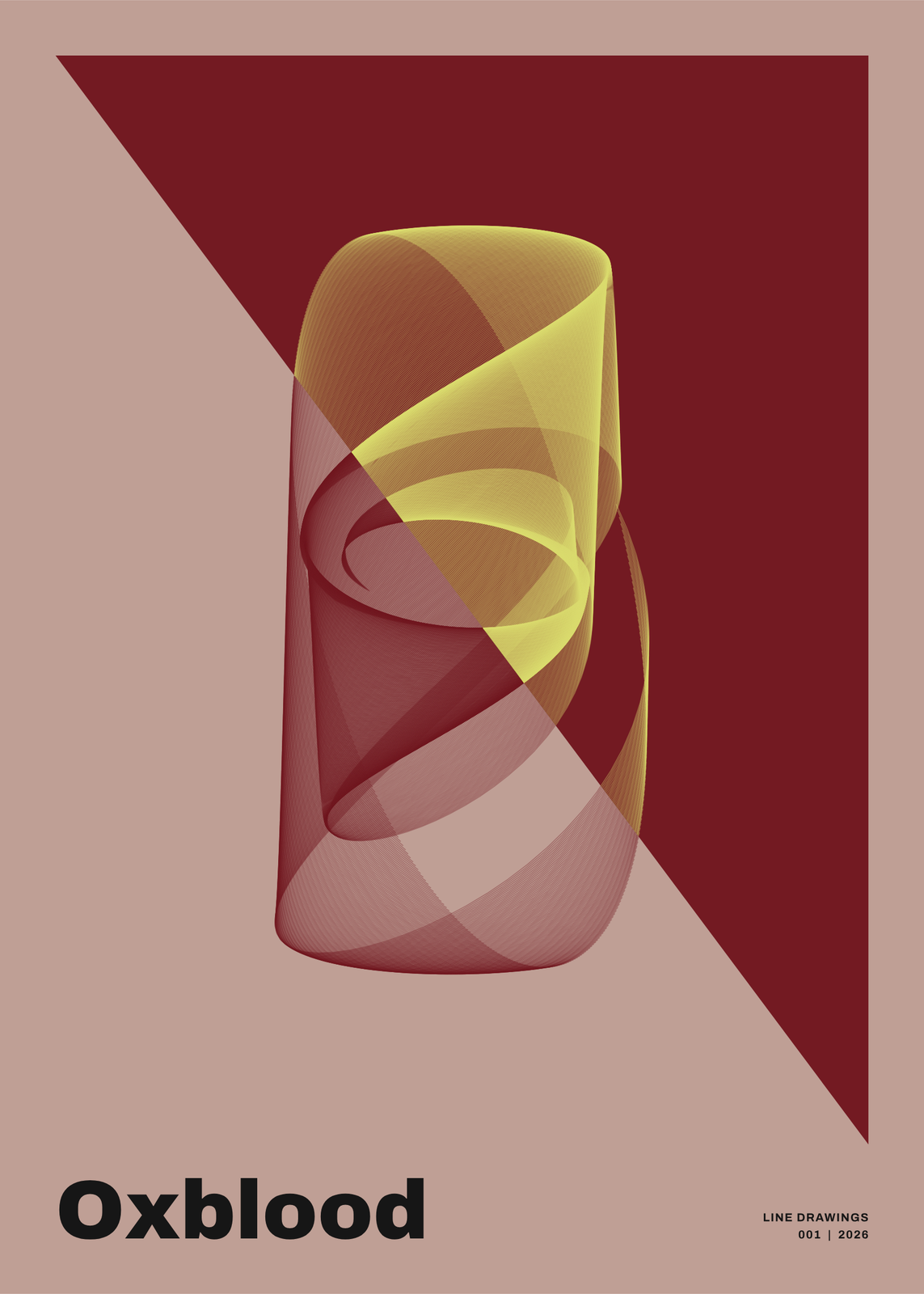 Lime ribbons over oxblood and roseEdit this →
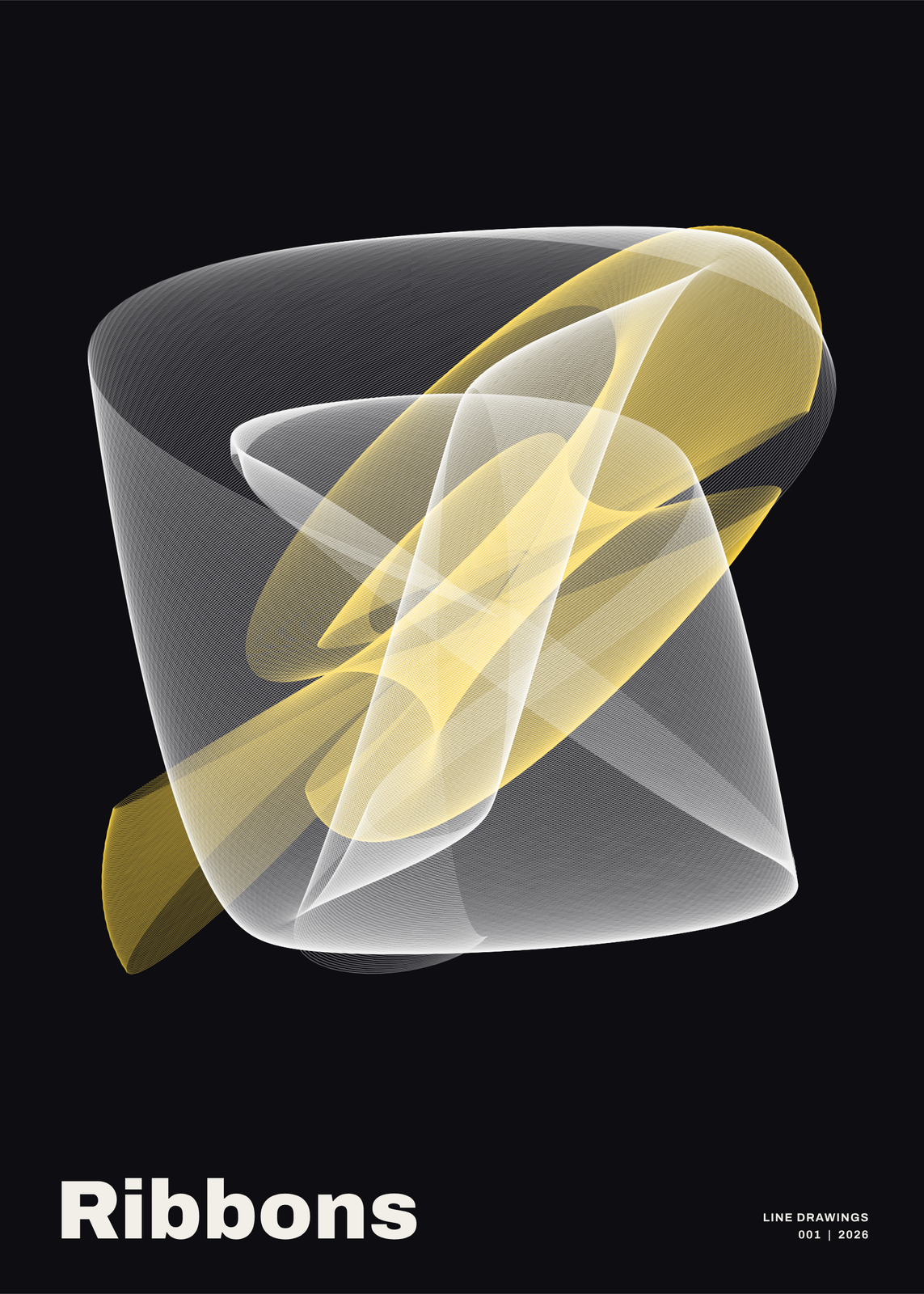 Harmonograph ribbons in two pensEdit this →
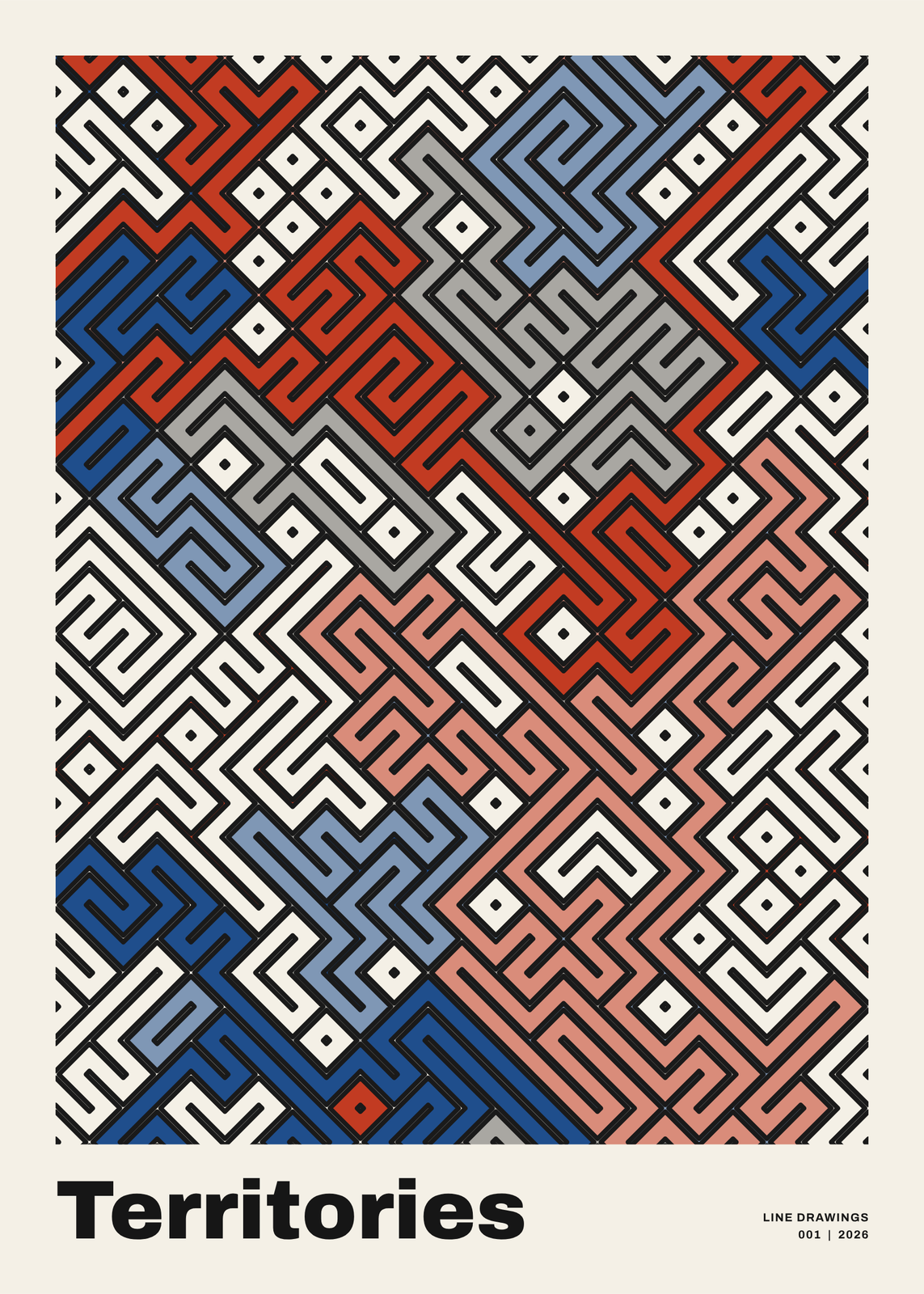 10 PRINT maze in colored territoriesEdit this →
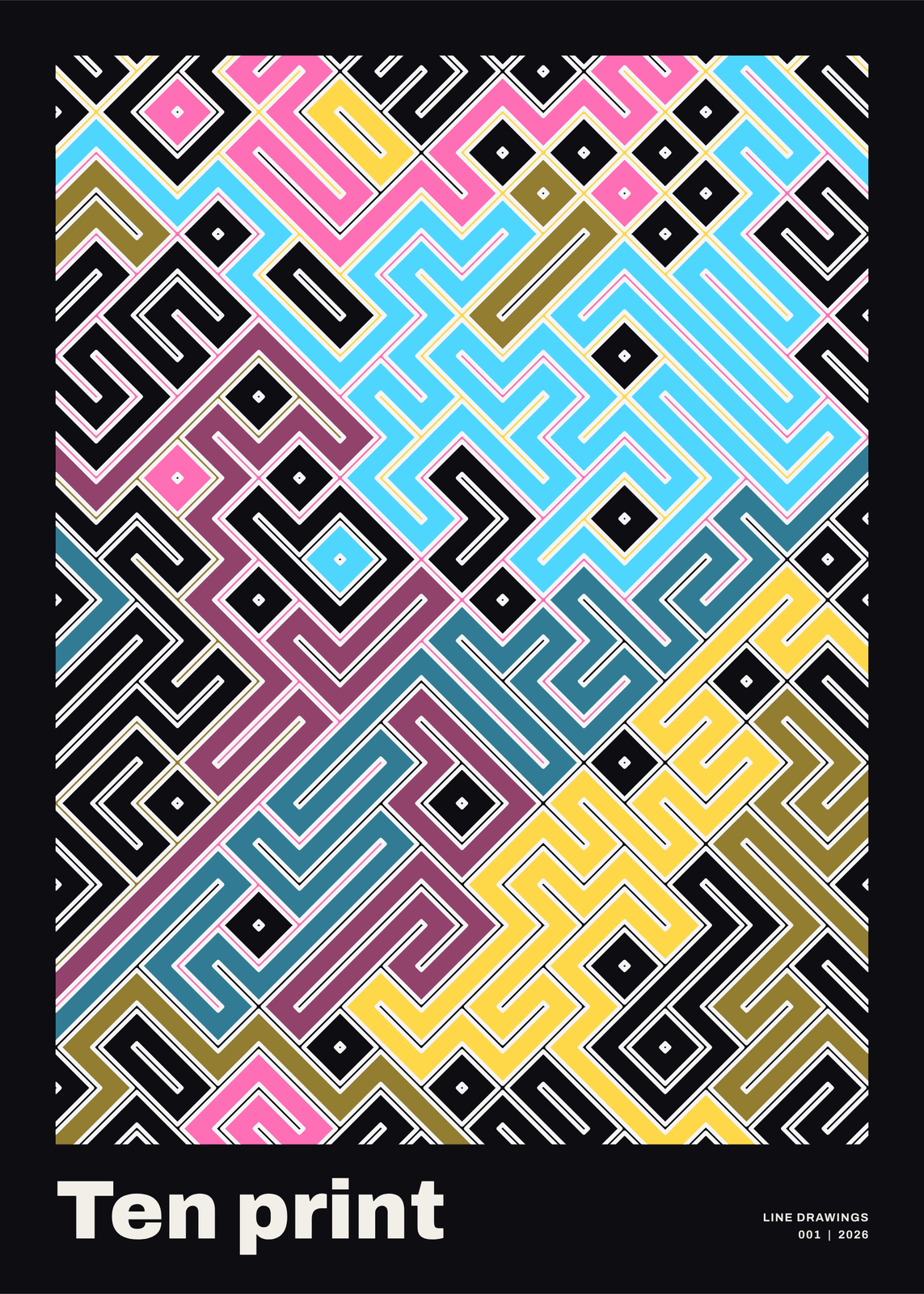 Neon territories on blackEdit this →
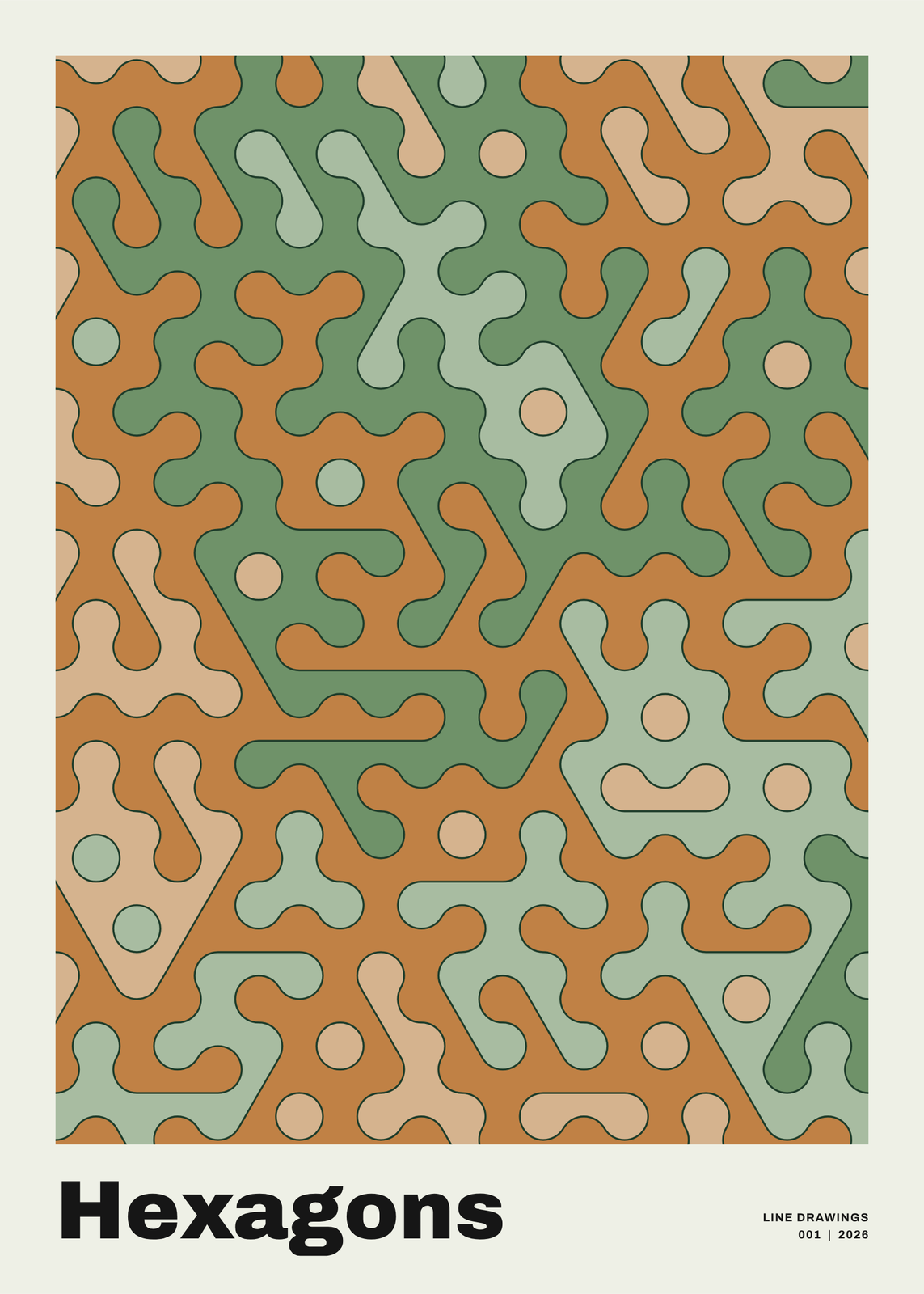 Hexagon tiles filled like a mapEdit this →
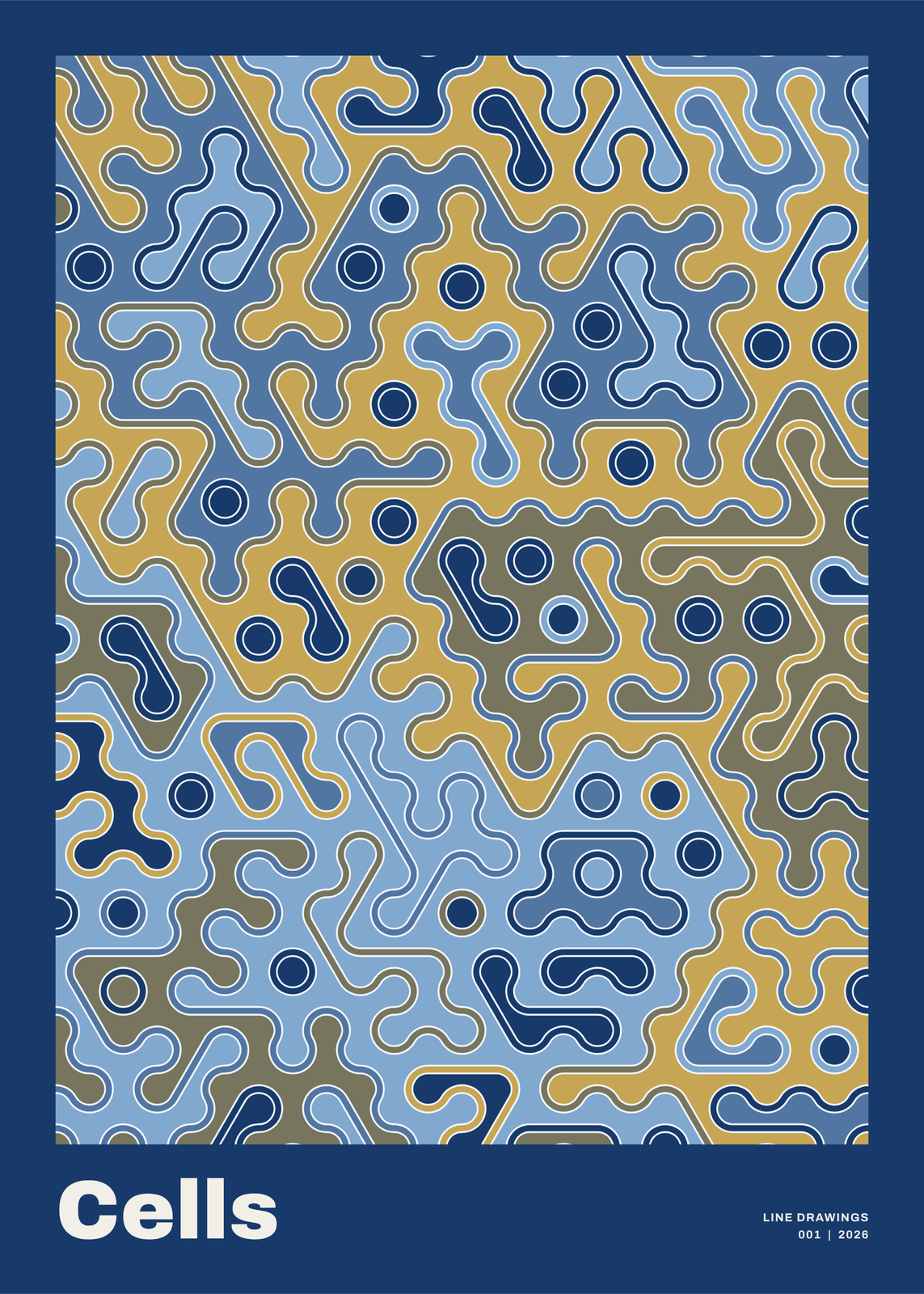 Hexagon ribbons and cells on blueprintEdit this →
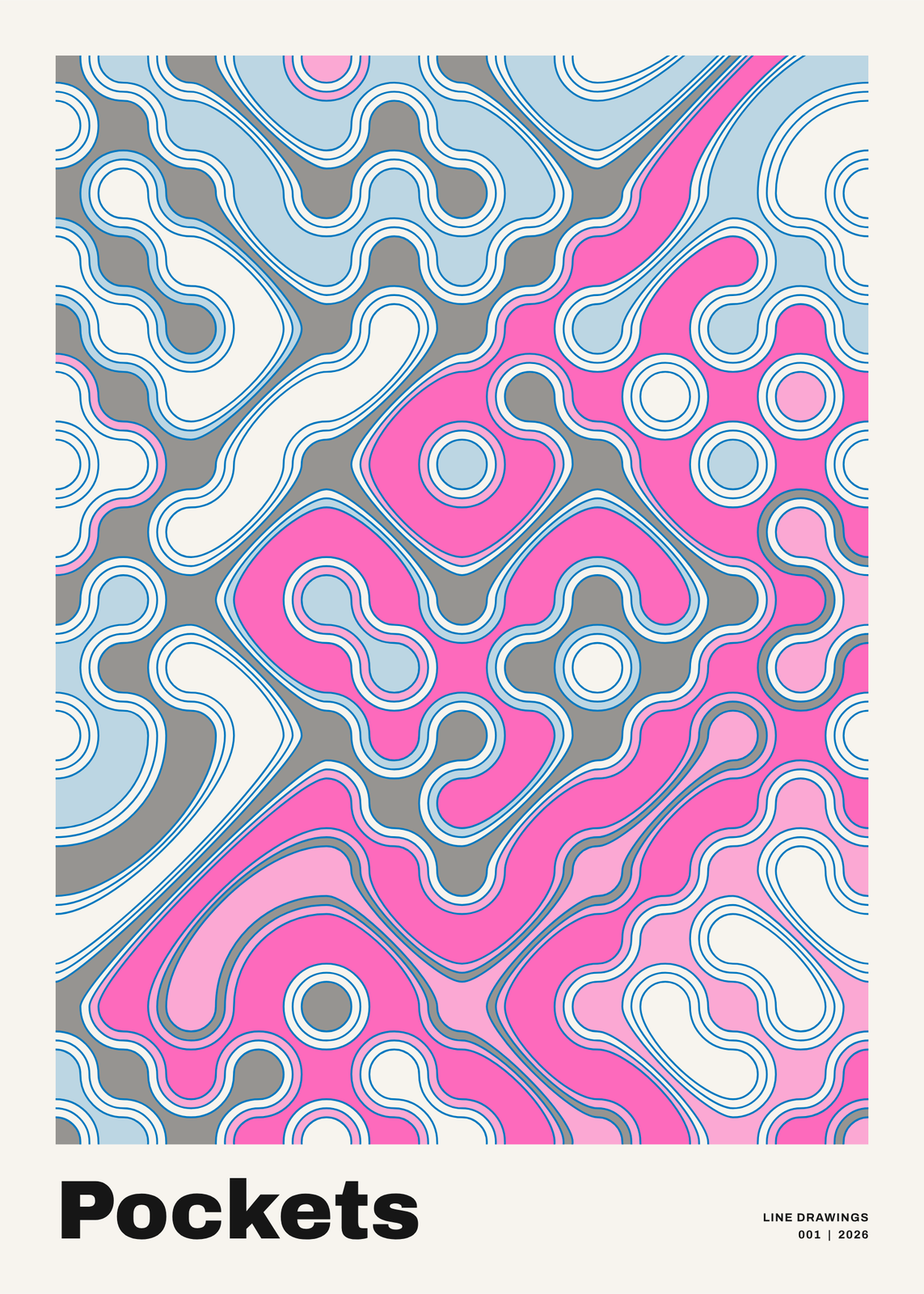 Truchet arcs with filled pocketsEdit this →
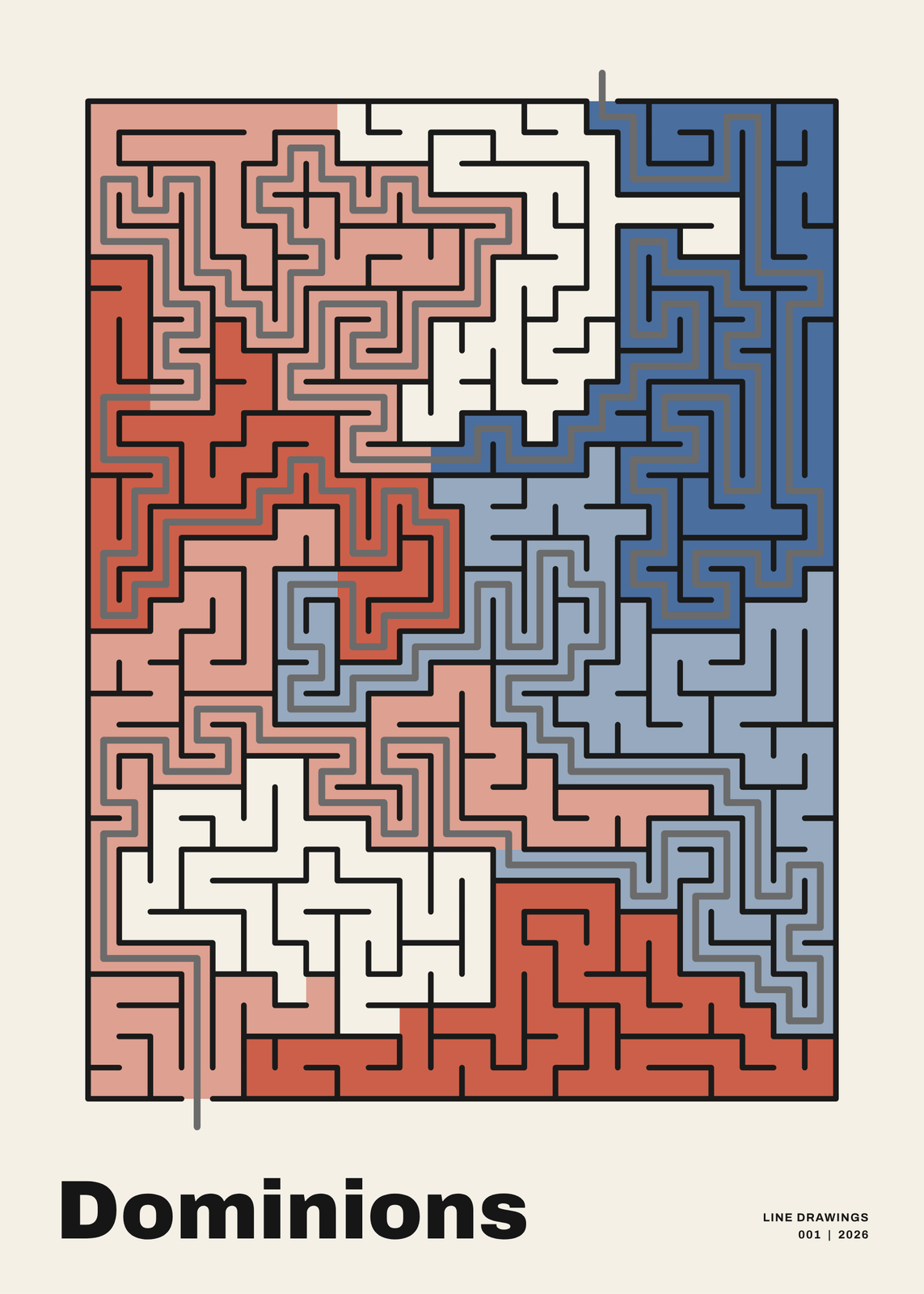 Maze shared out into territoriesEdit this →
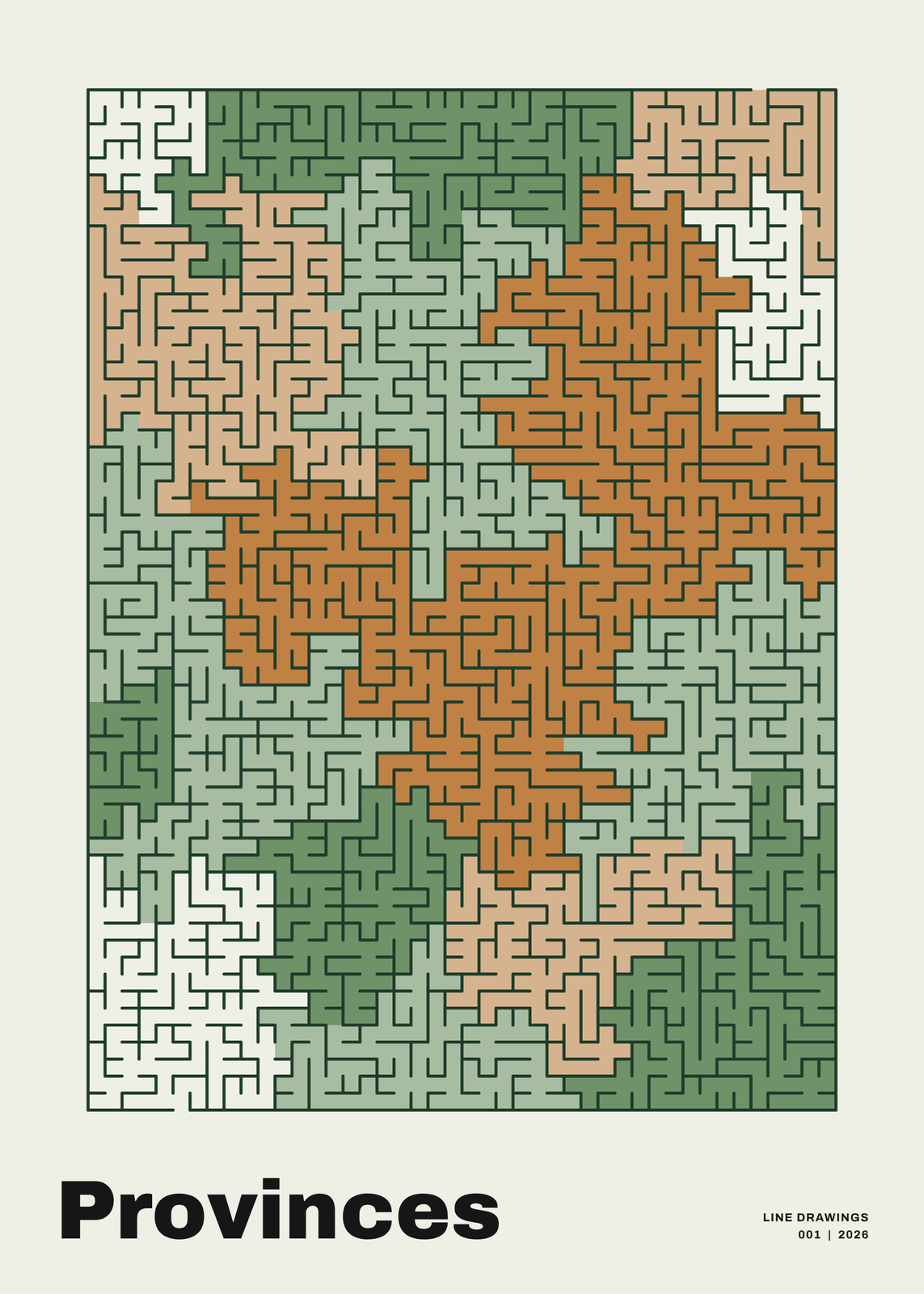 Fine maze of green provincesEdit this →
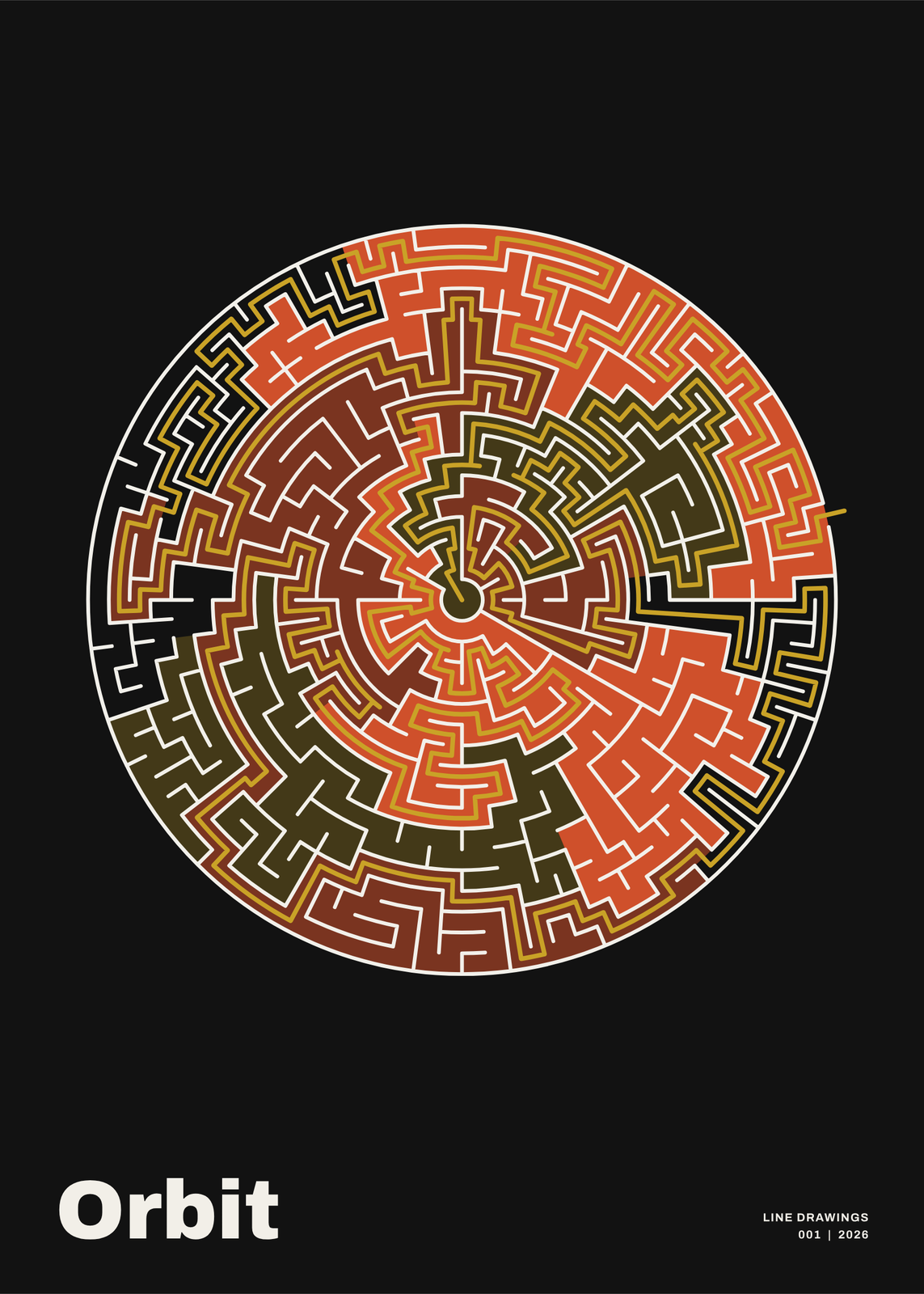 Round maze in warm territoriesEdit this →
Layouts and effects
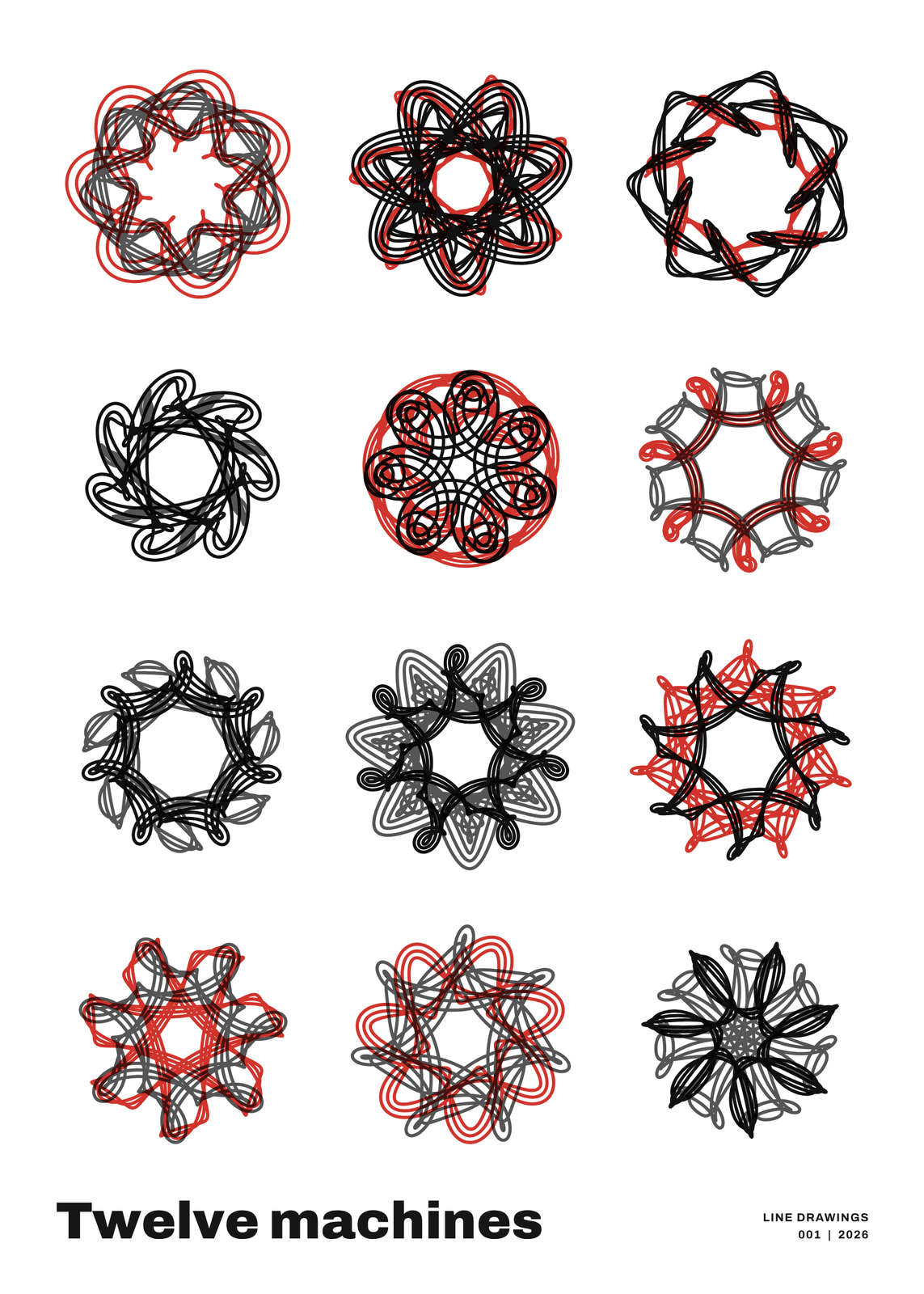
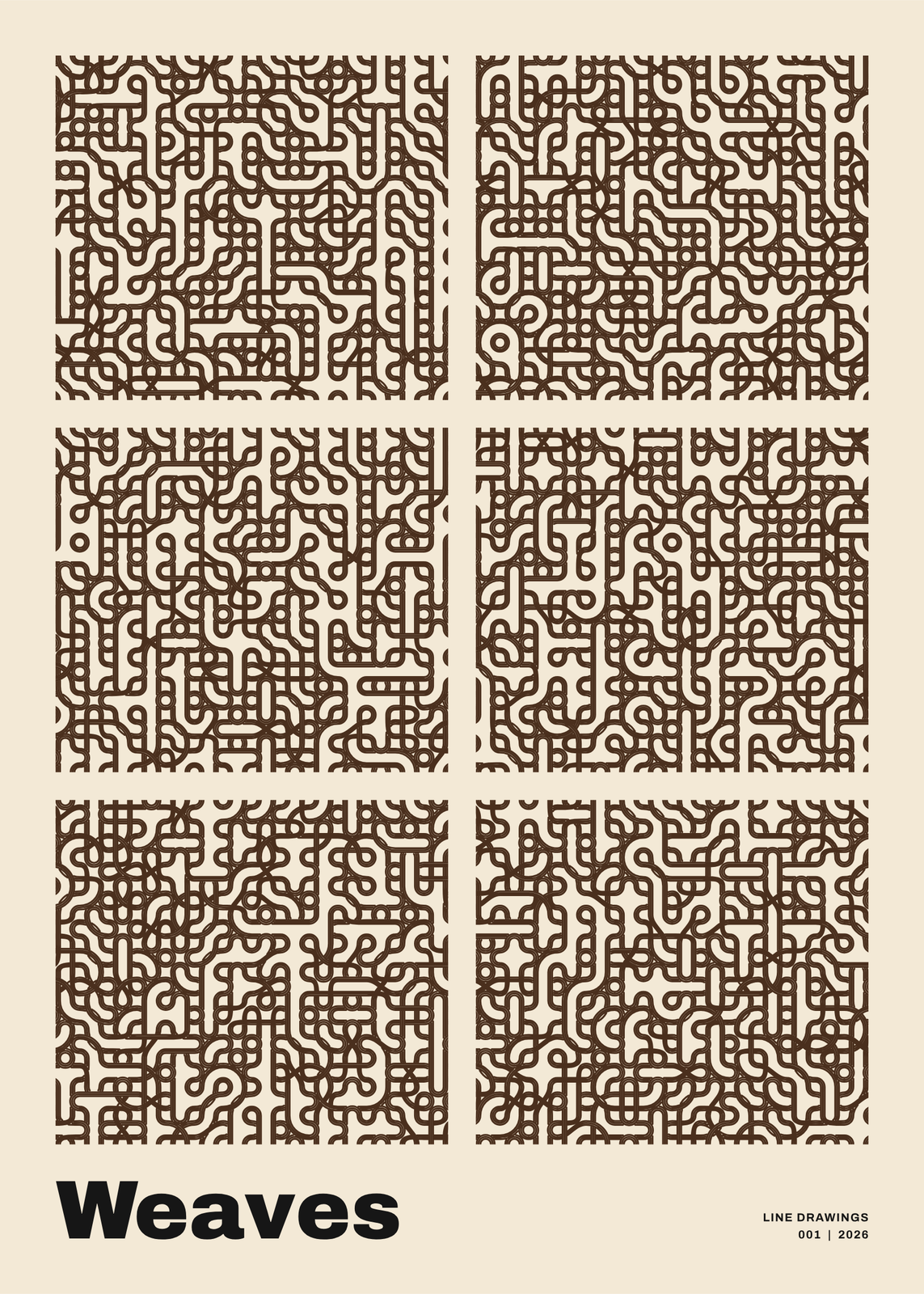
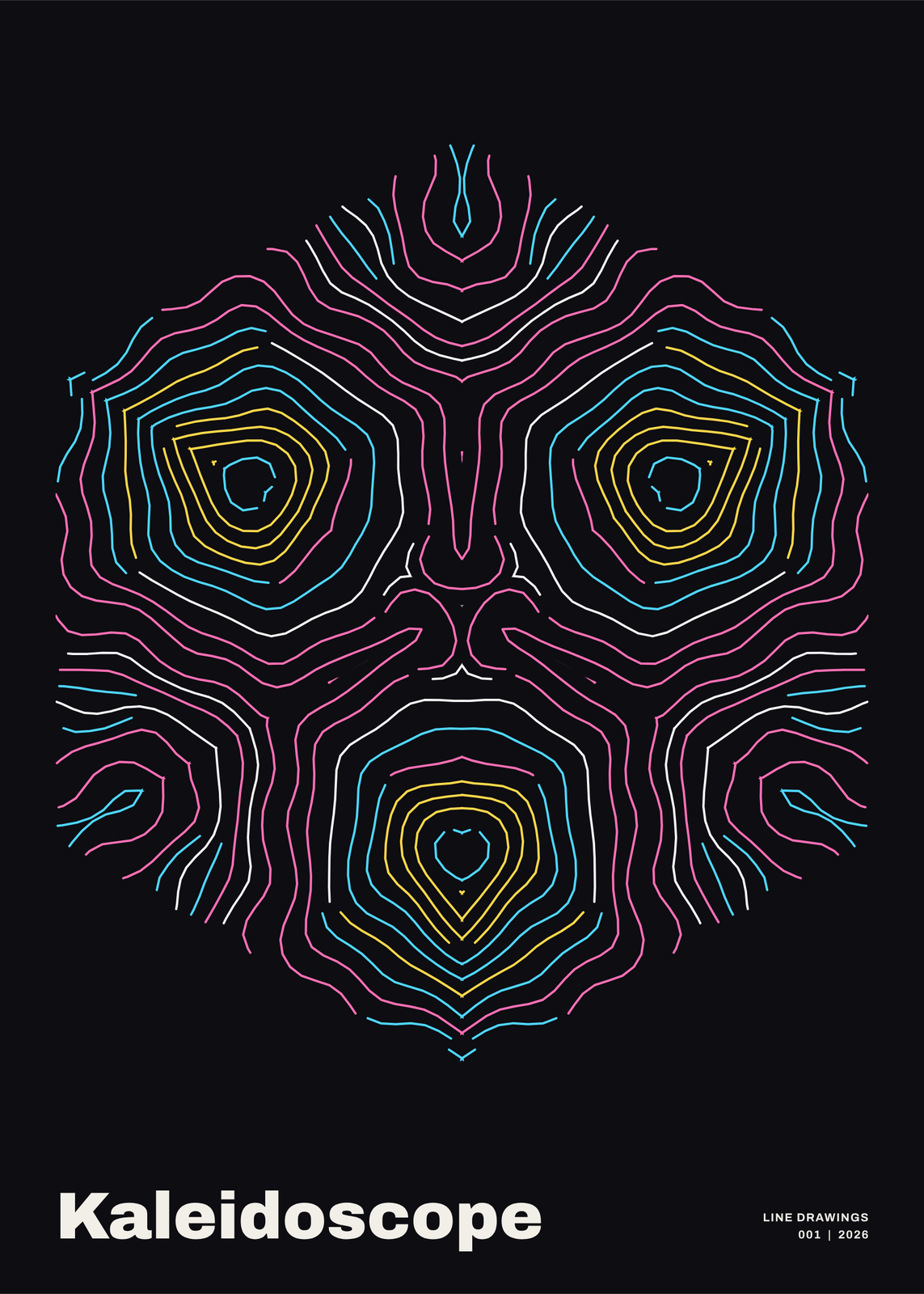
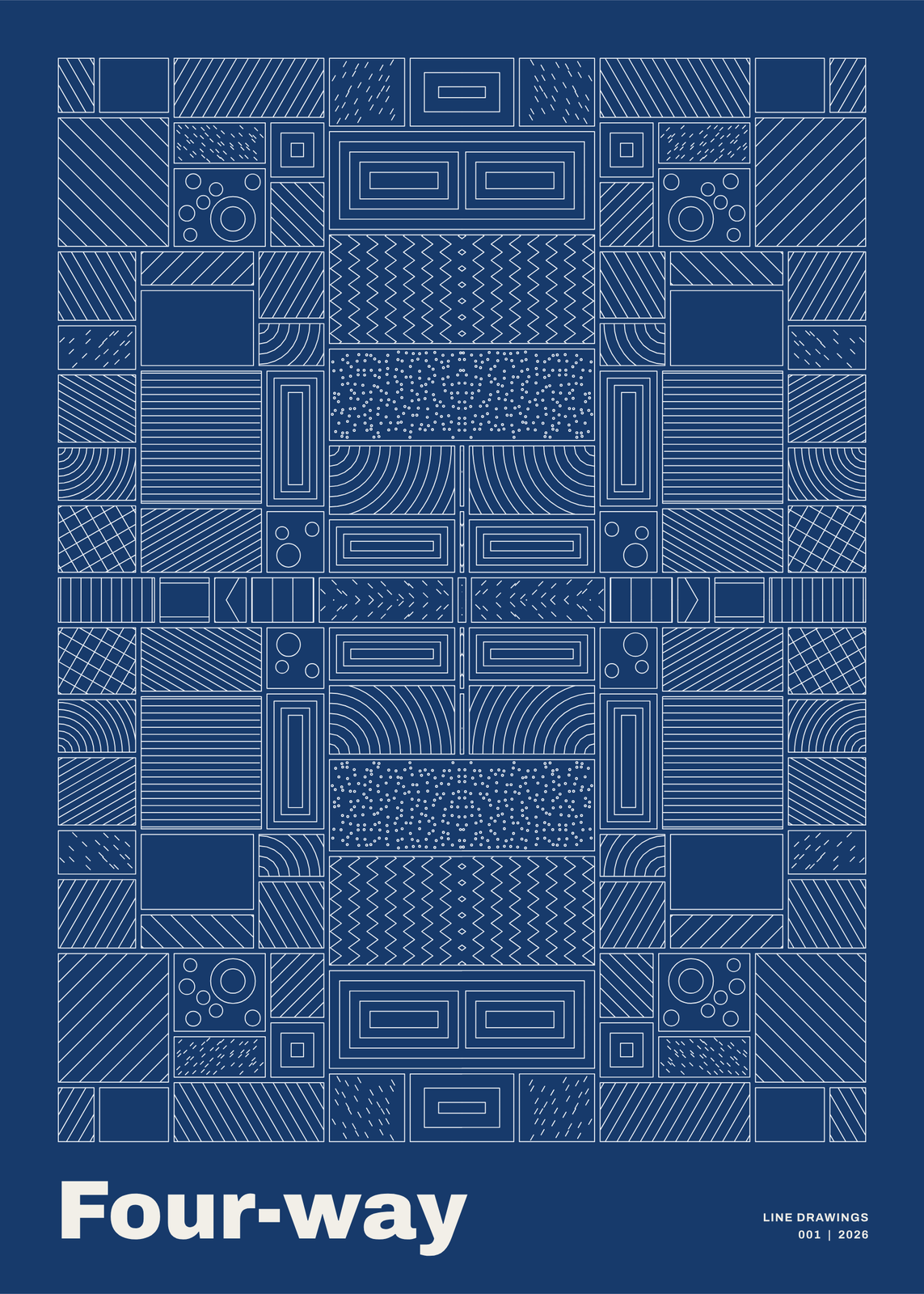
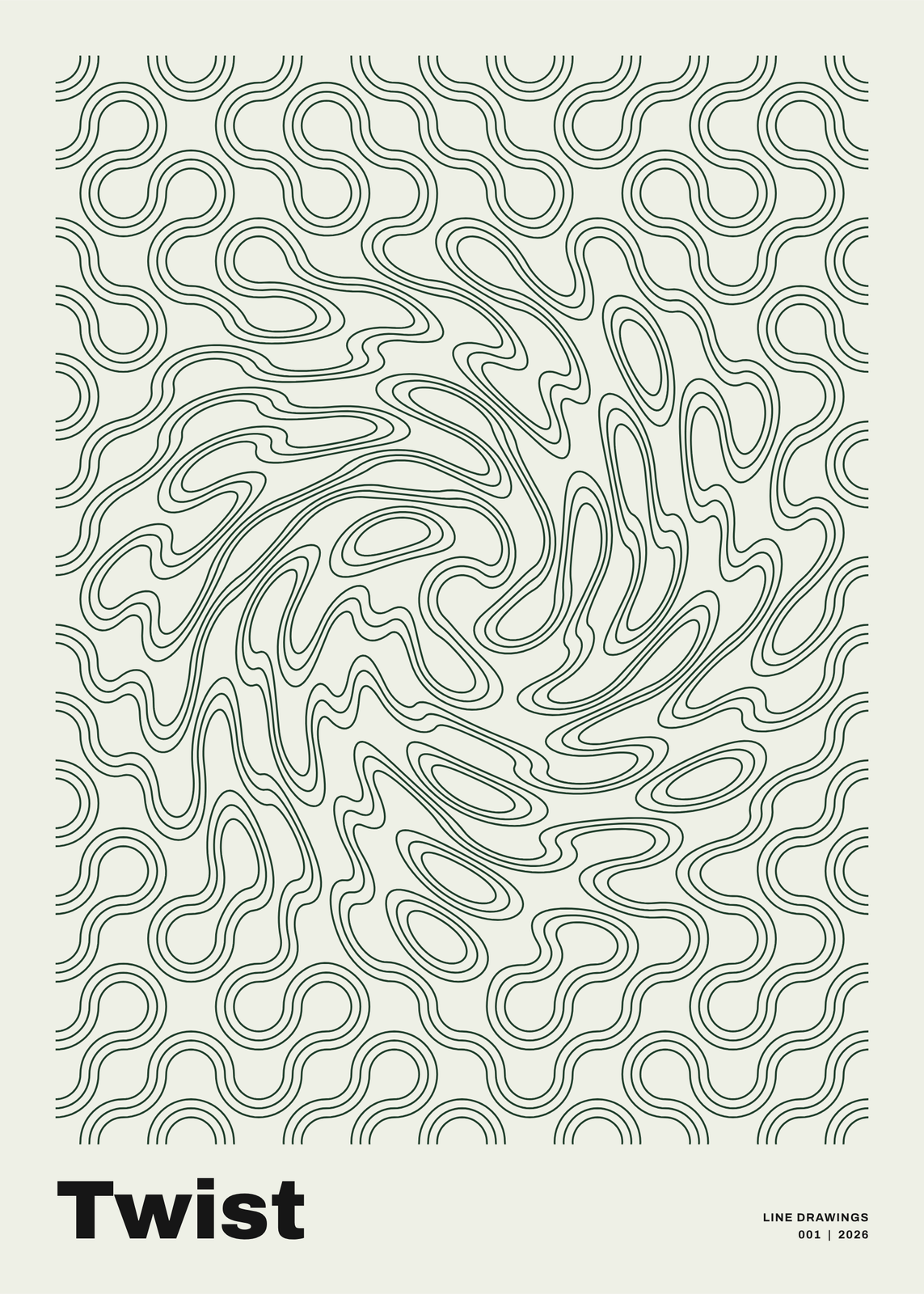
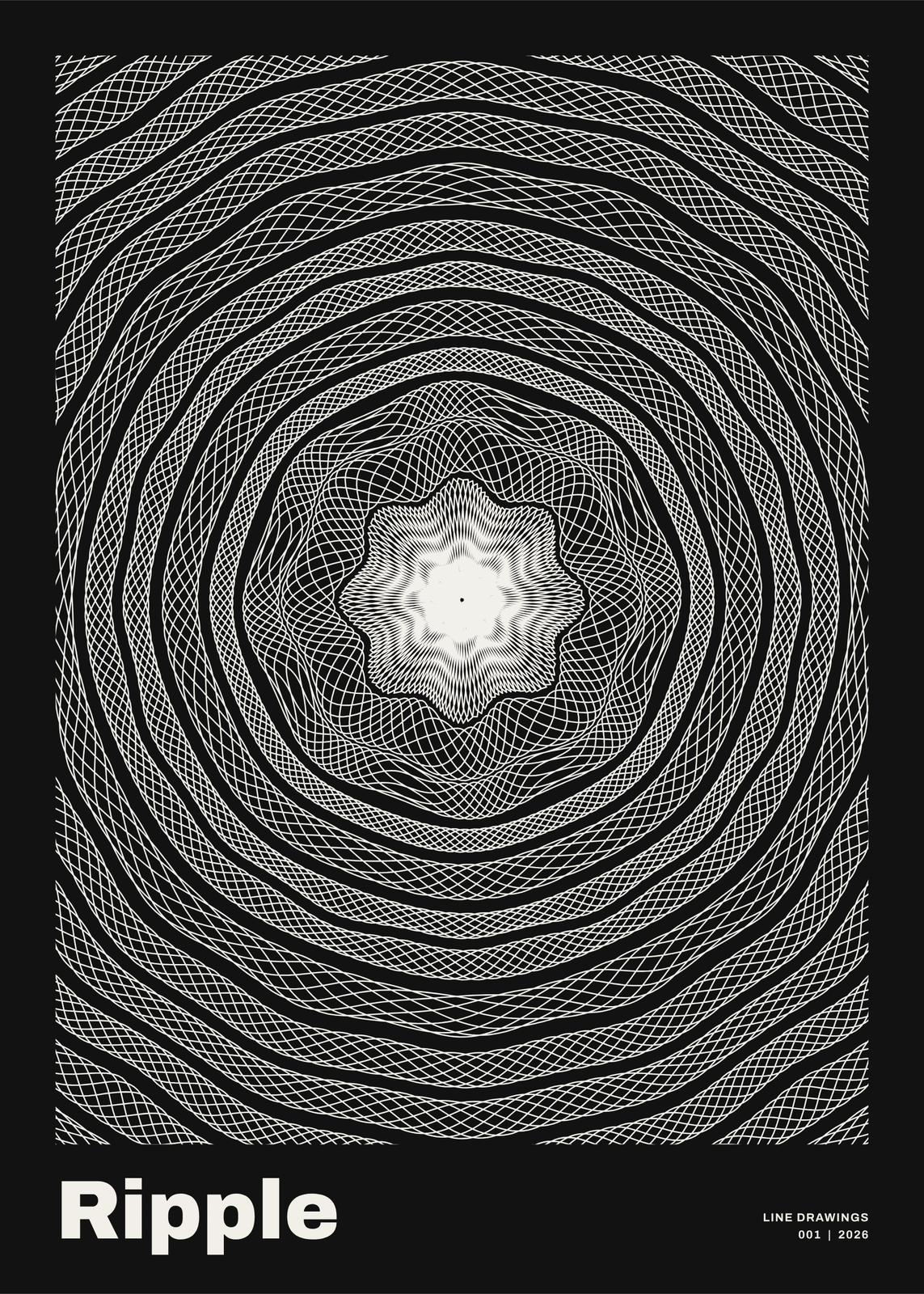
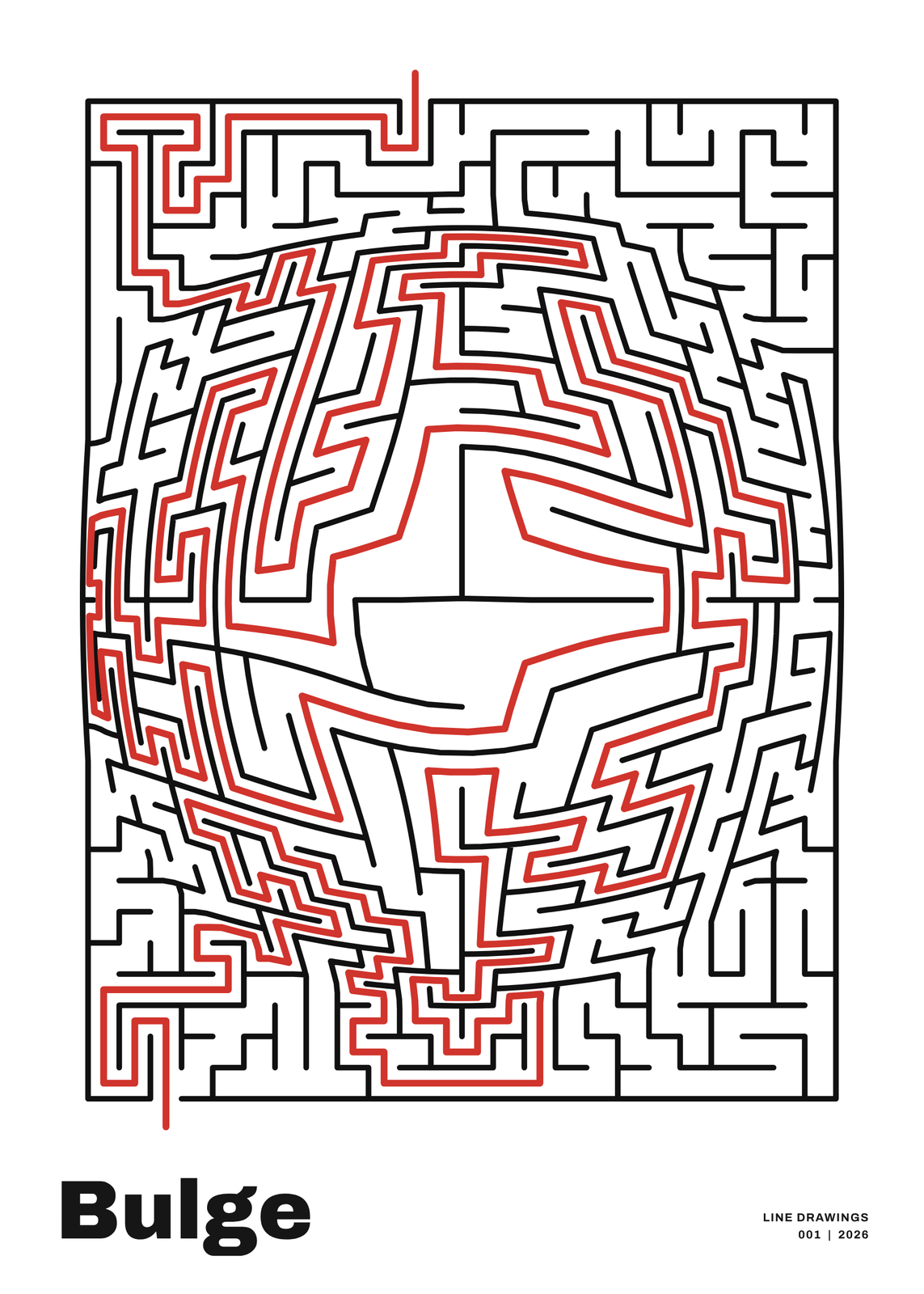
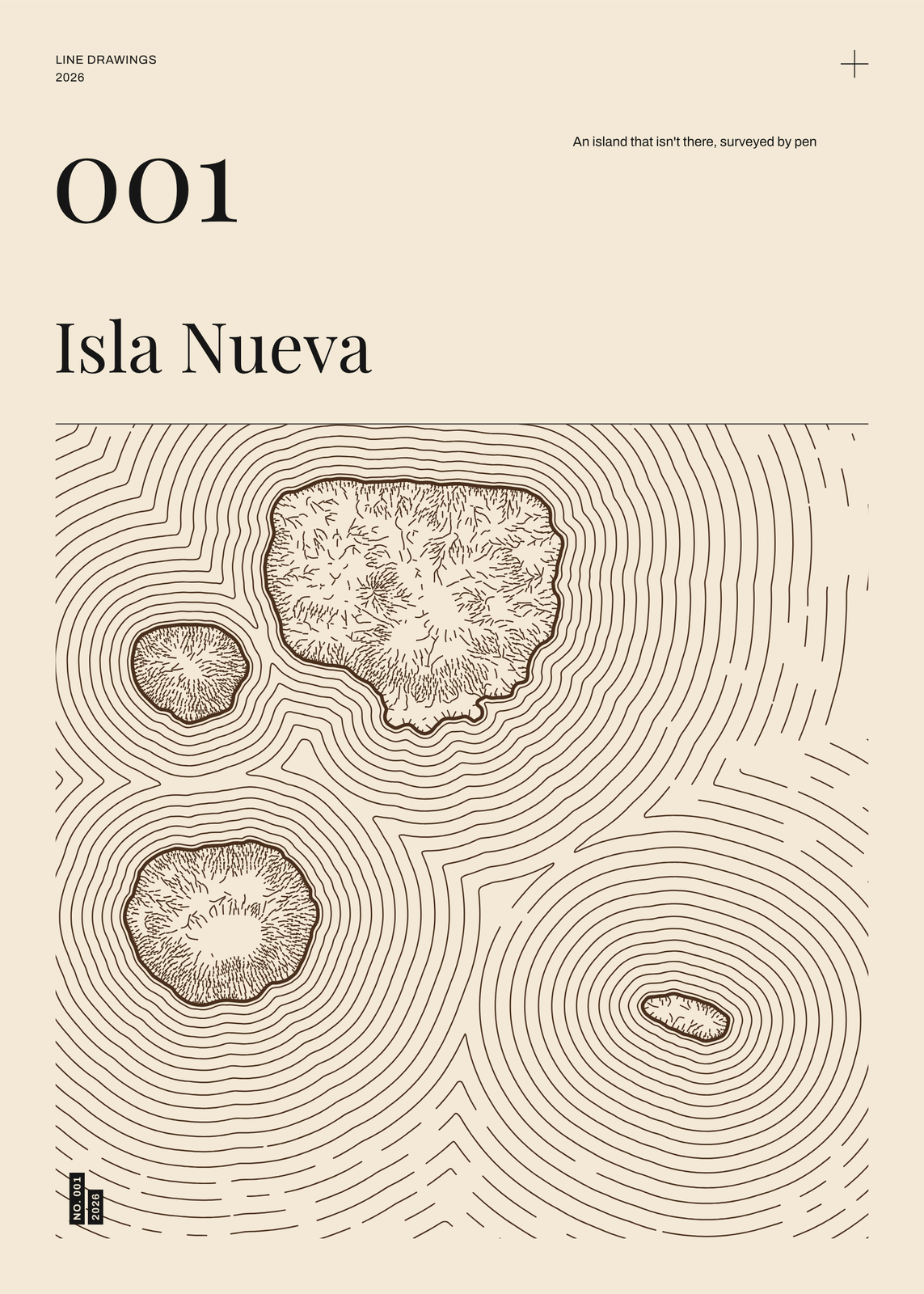
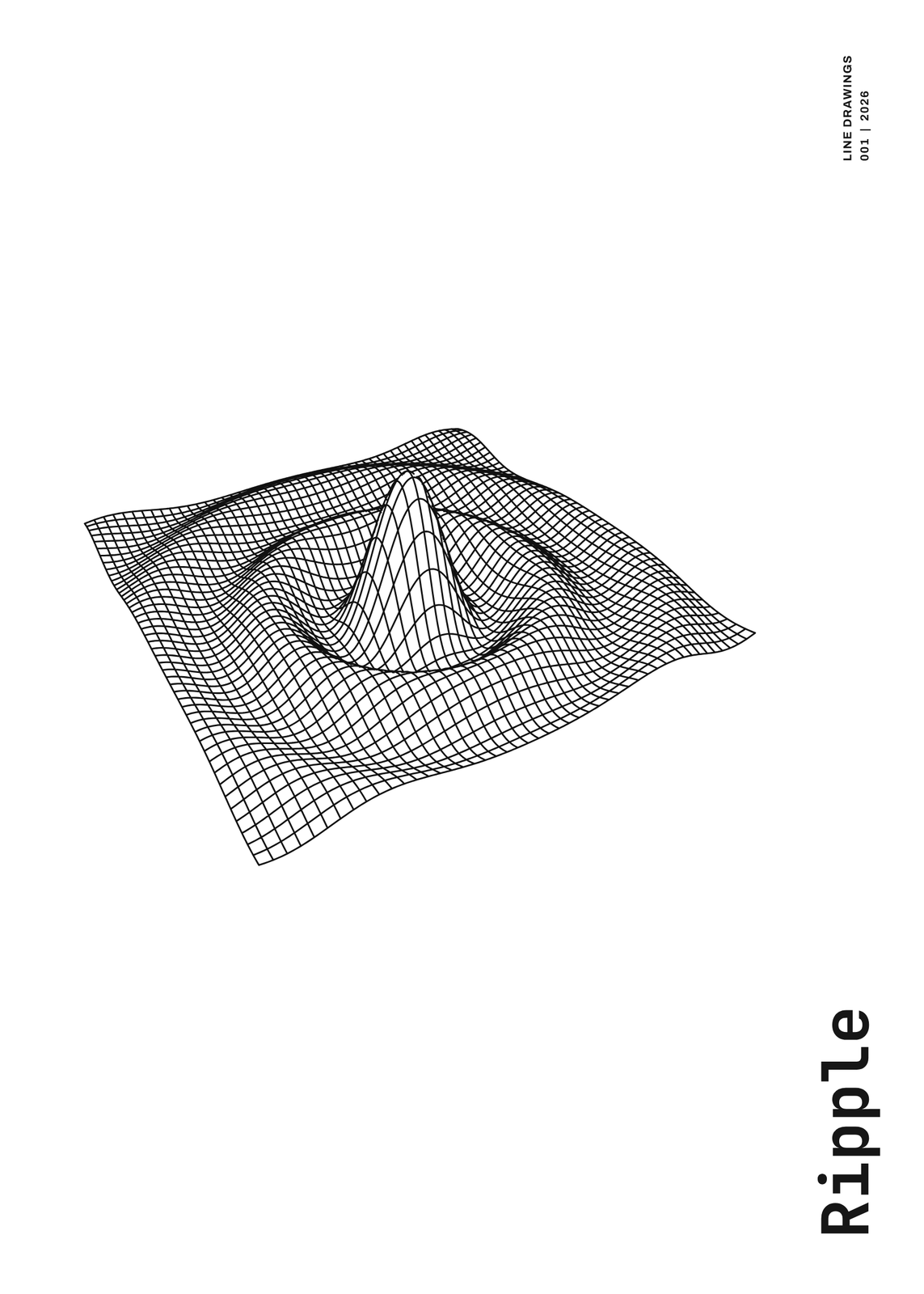
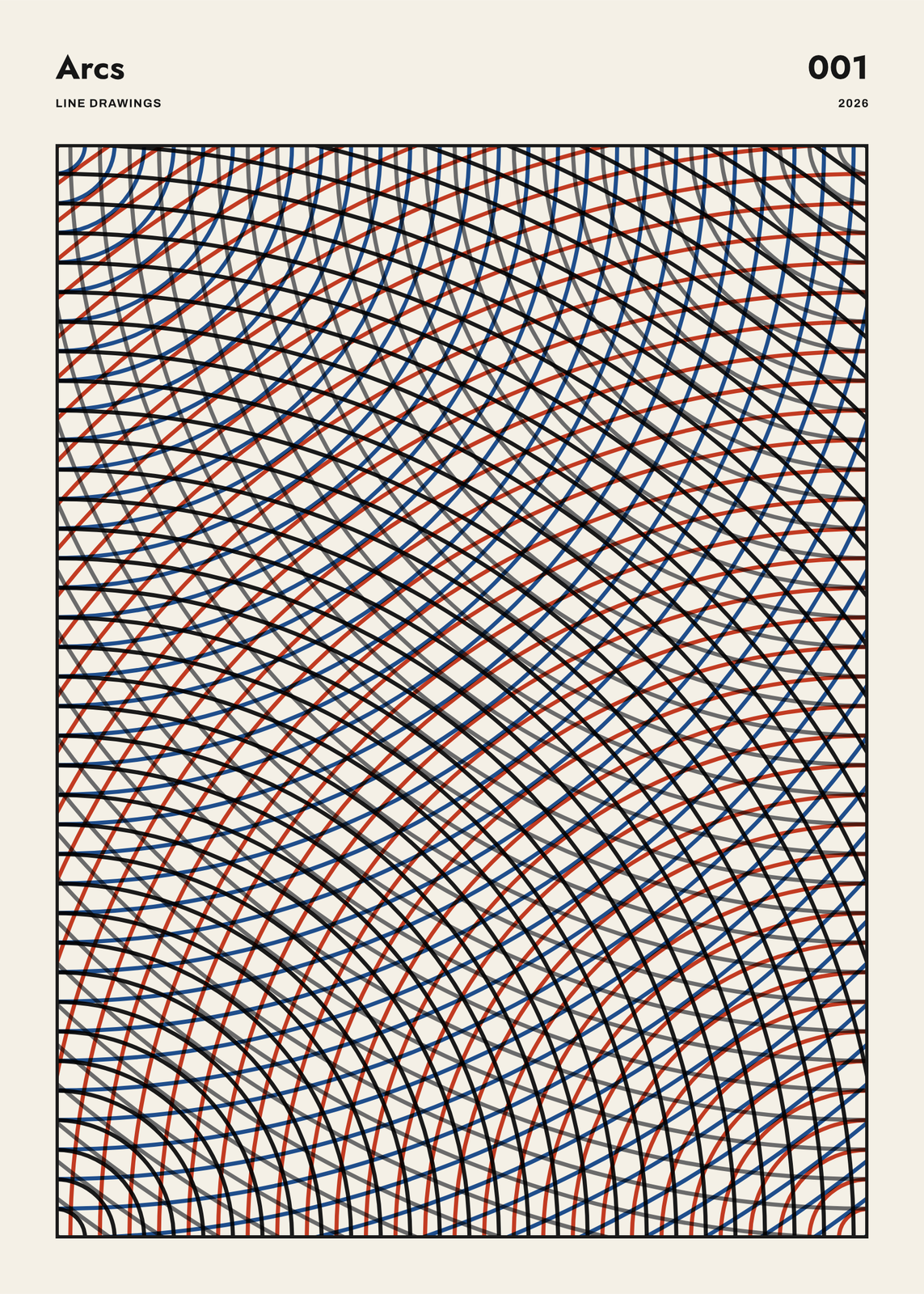
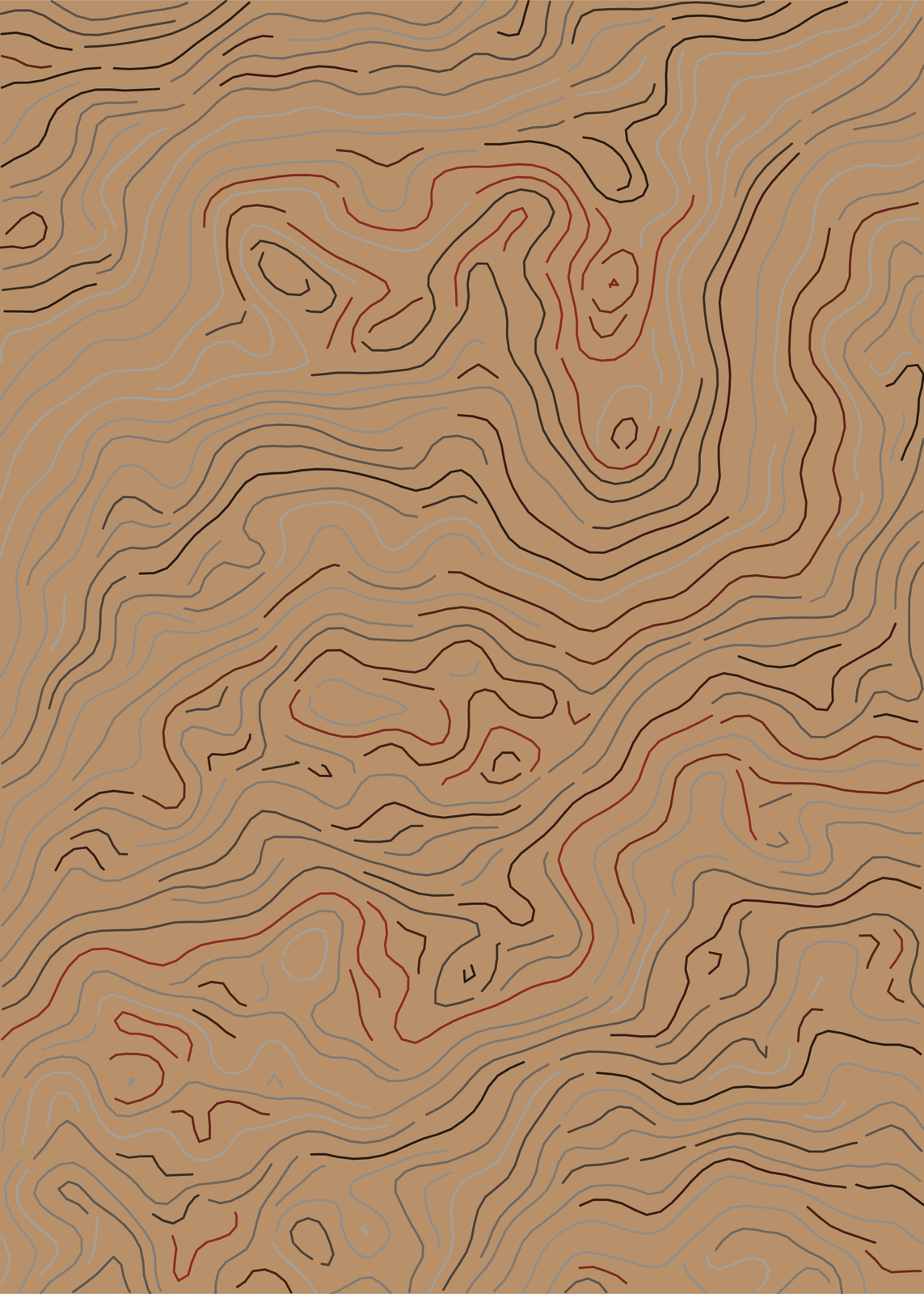
27 motifs in three families
- Scenes and objects: hatched solids and still lifes, cityscapes and hill towns, a mountain in fall lines, ridgelines, a sea chart of islands, an engraved city and sea, a cube of cubes, a terrain surface, weeds and trees, and characters: faces, robots and pixel invaders.
- Patterns: Truchet tiles, mazes, line waves and drapery folds, moiré, spirographs and harmonographs, guilloché, loops, space division, space-filling curves, line grids after Sol LeWitt, and squares tumbling into disorder.
- Fields and growth: flow lines around eddies, topographic contours, reaction-diffusion coral, a line that grows and folds, and tangled noodles.
Pens, symmetry and distortion
Fourteen pen sets, from Black ink on cream and Sepia to Blueprint, Gel pens on black and Citrus, or your own paper and three pens. Symmetry mirrors the drawing side to side, up and down, four ways, or six or eight ways like a kaleidoscope. Distortion bends every line with waves, a ripple, a twist or a bulge, and hidden lines stay hidden. Variations fills the sheet with a grid of the motif, each cell drawn from its own seed.
Made for a pen plotter
Everything is stroked lines, one path per pen, so the plotter file you download is the same drawing as the print: plot it yourself in real ink, or hang the print. A title, a series name and a number set it out like an edition, and Specimen lays it out as a labeled sheet with a note.
Questions
What is generative art?
Art made by rules that a computer runs: the artist writes the rules, and the code draws the result. Here each motif has its own, such as how a Truchet tile turns, how a maze is carved or how a line grows, and a new seed runs them again for a new drawing.
Can I plot it myself?
Yes. Download the plotter file: the same lines, one path per pen, ready for a pen plotter. A glow, if you turn it on, stays out of the file.
Will anyone else have the same drawing?
Each seed draws its own, so unless someone picks the same motif, settings and seed, nobody else has yours.
What sizes can I print?
US Letter, 8 × 10, 11 × 14, 12 × 16 and 12 × 18 in, A4 and A3, free. You download a 300 DPI JPEG drawn at the size you pick. Larger prints, up to 24 × 36 in, are coming soon.
Related
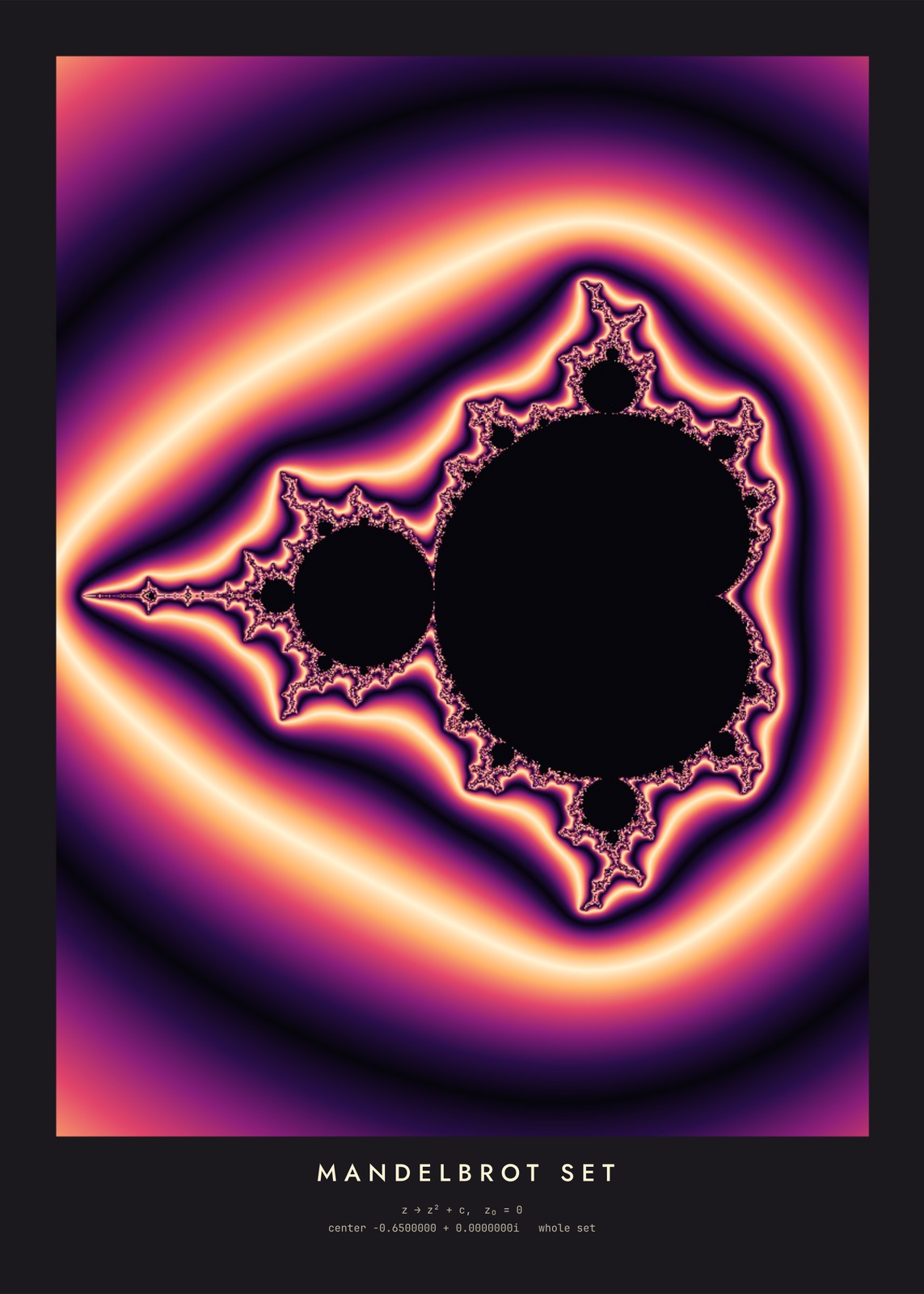 Math postersfractals, chaos and geometry, drawn from the formulas
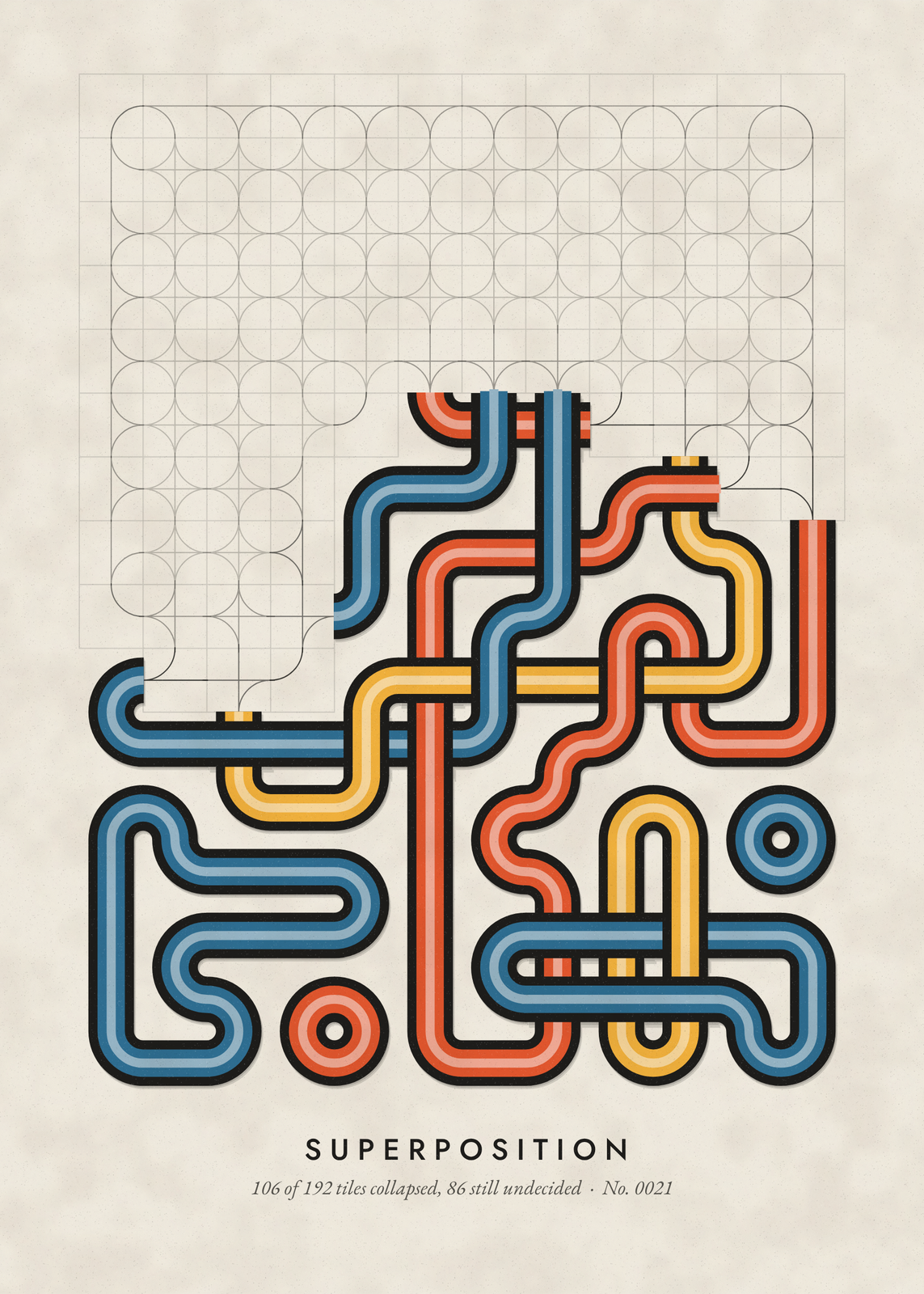 Wave function collapsetiles that must match their neighbors, solved cell by cell until the whole sheet fits
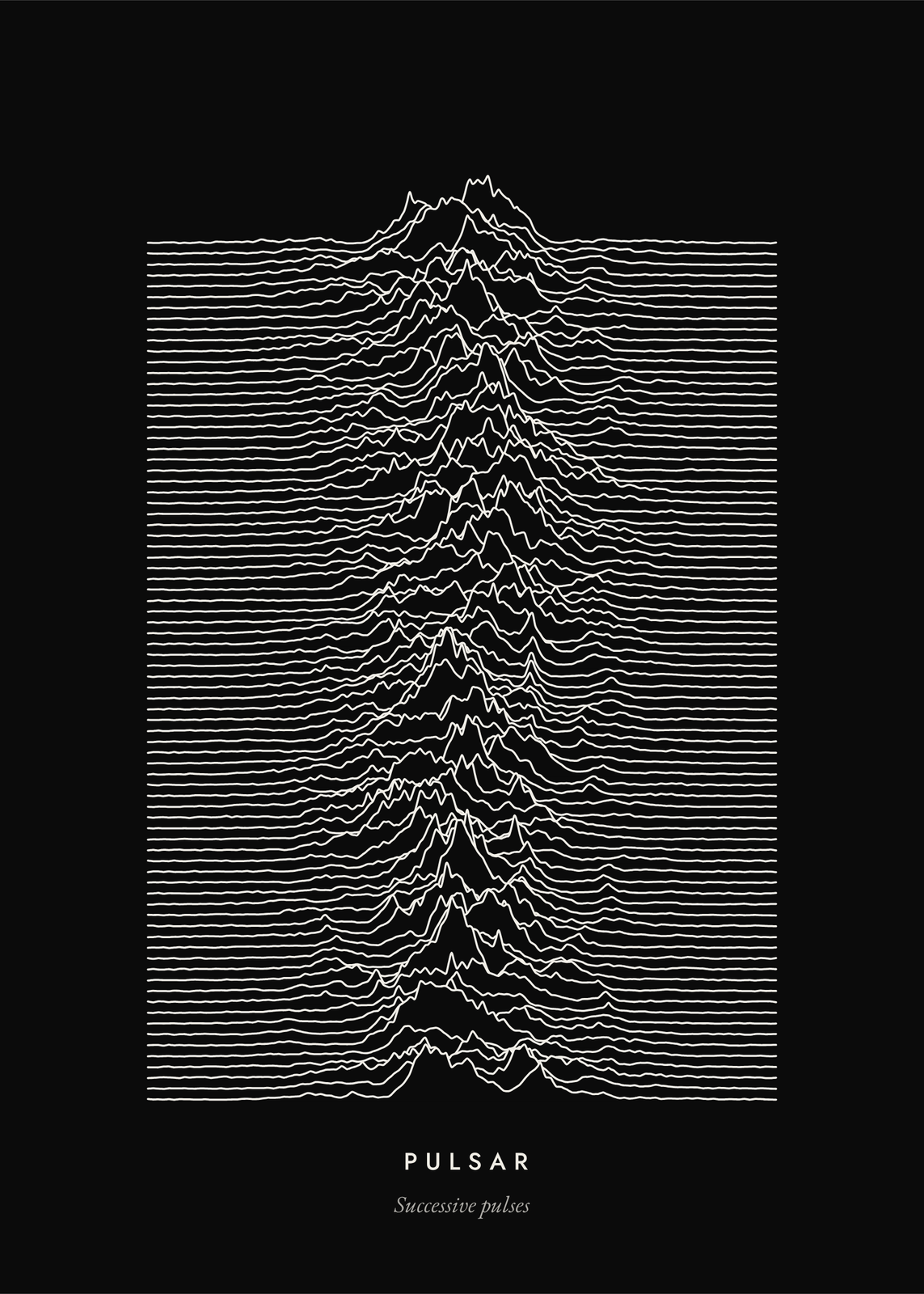 Ridgeline posterstacked signal lines peaking at the center, from noise, a word or your photo
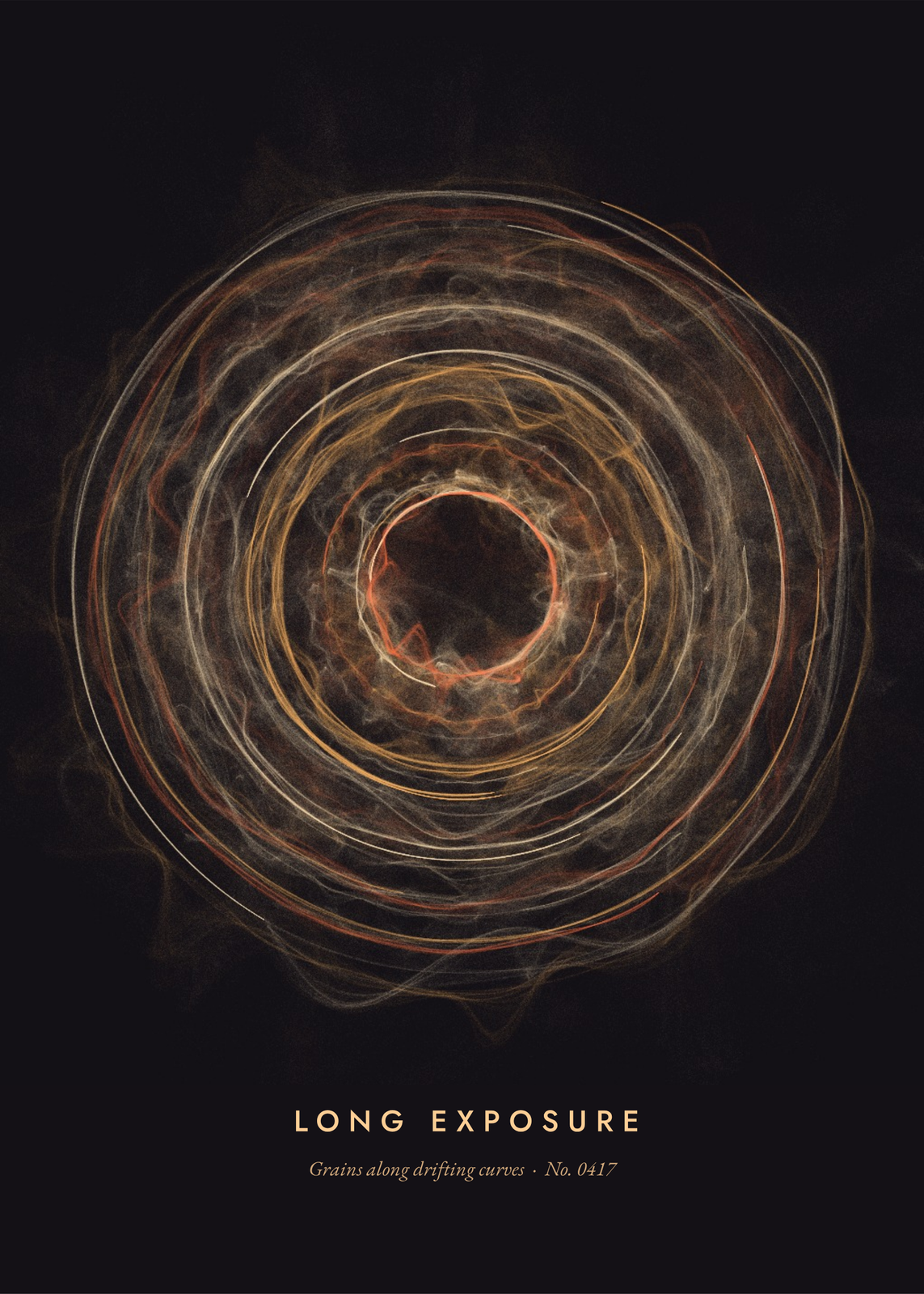 Sand spline artdrifting curves laid down as millions of translucent grains of sand
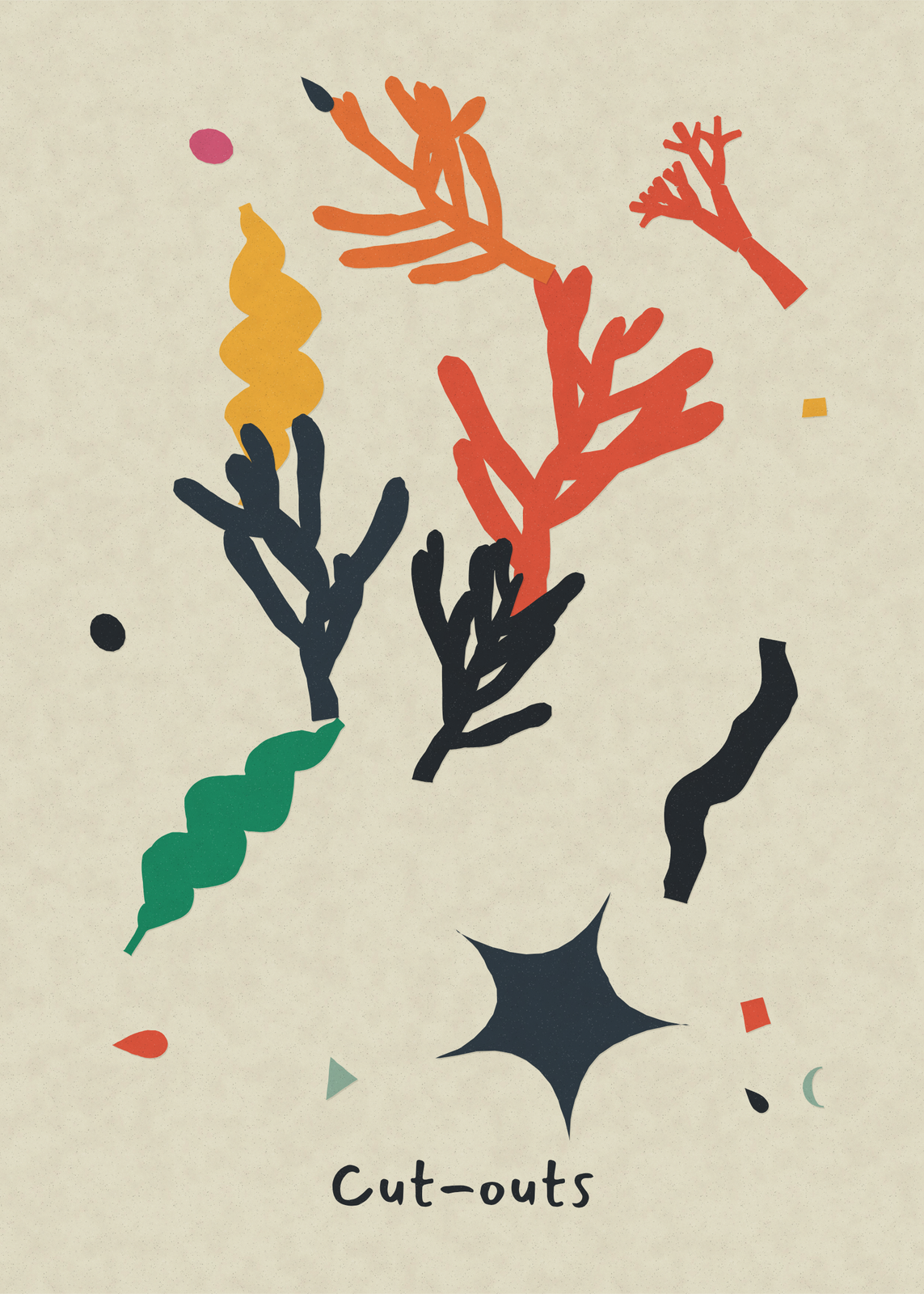 Abstract artwall art from mid-century shapes, op art, cut paper and long color fades
Gift ideas by occasion
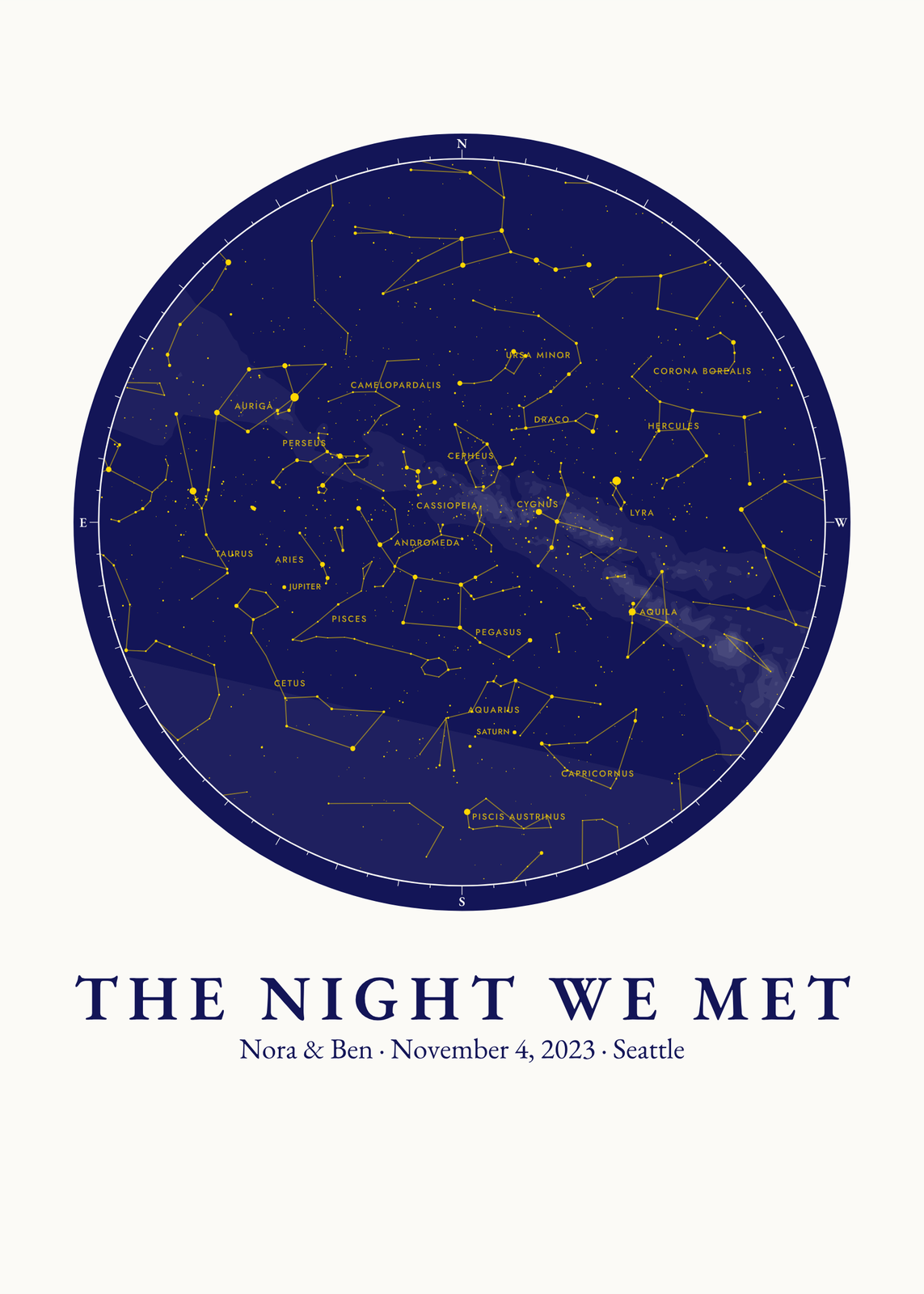
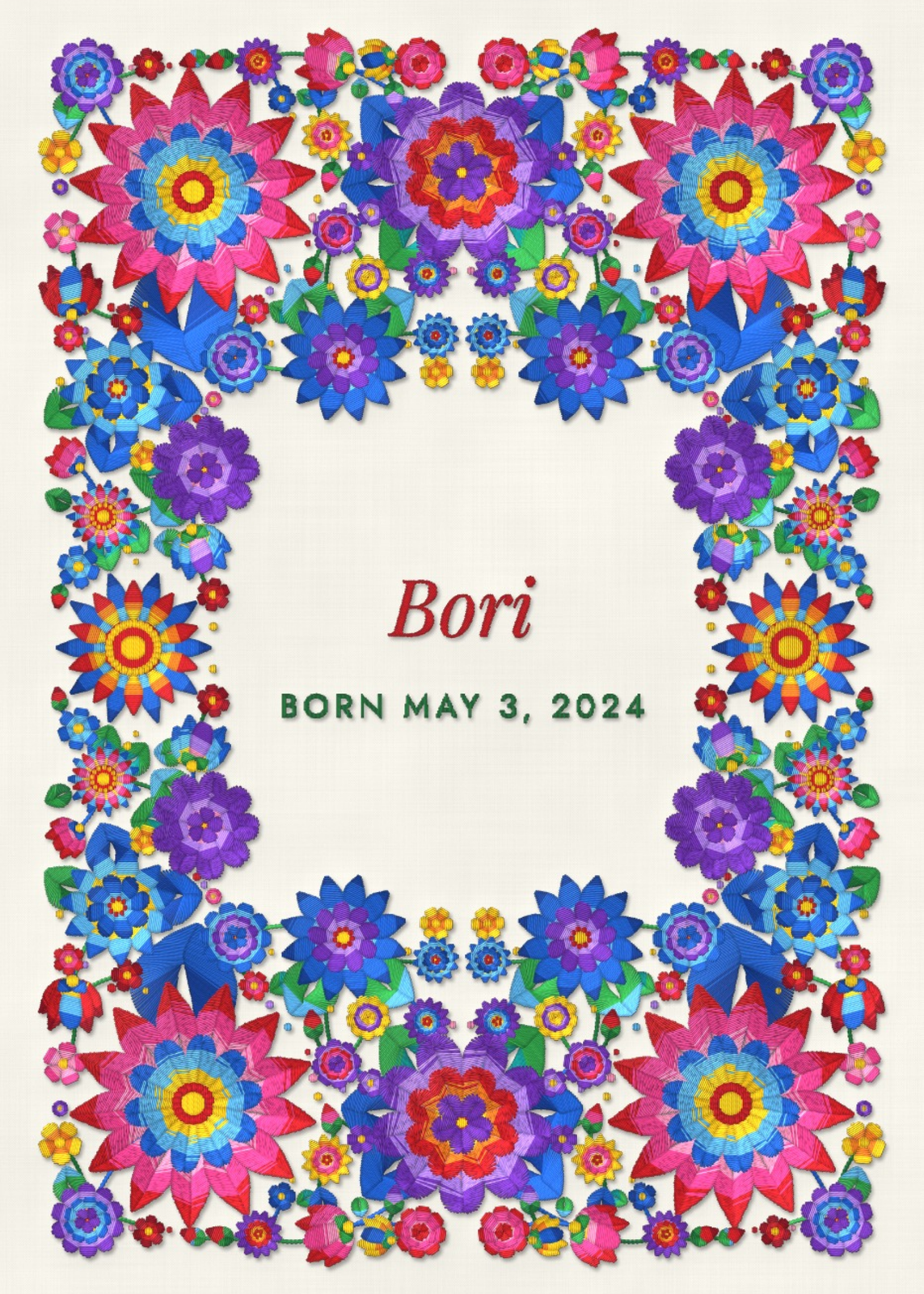
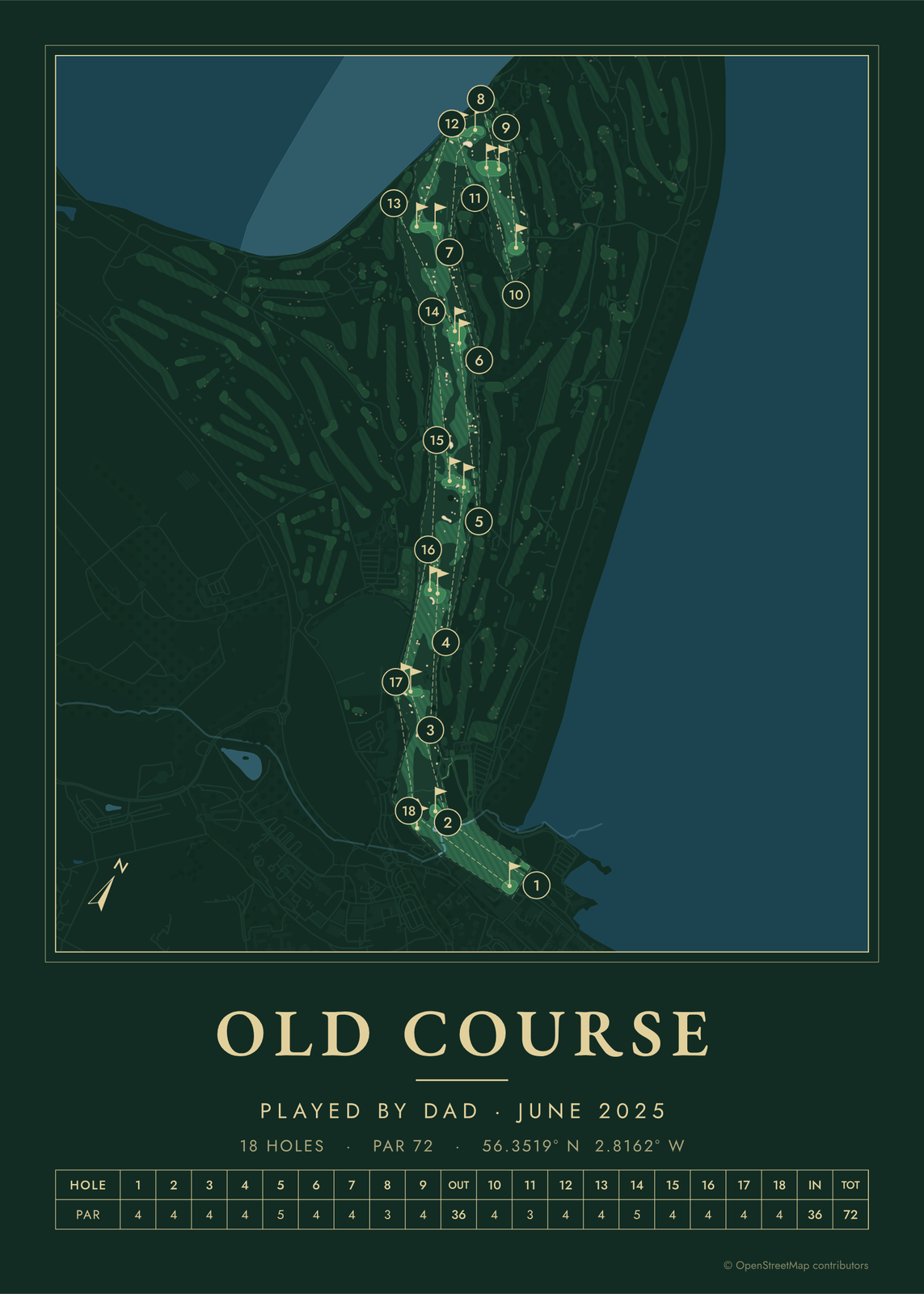
Every example is made with the Posterage generators. Change anything, then download it as a 300 DPI JPEG.